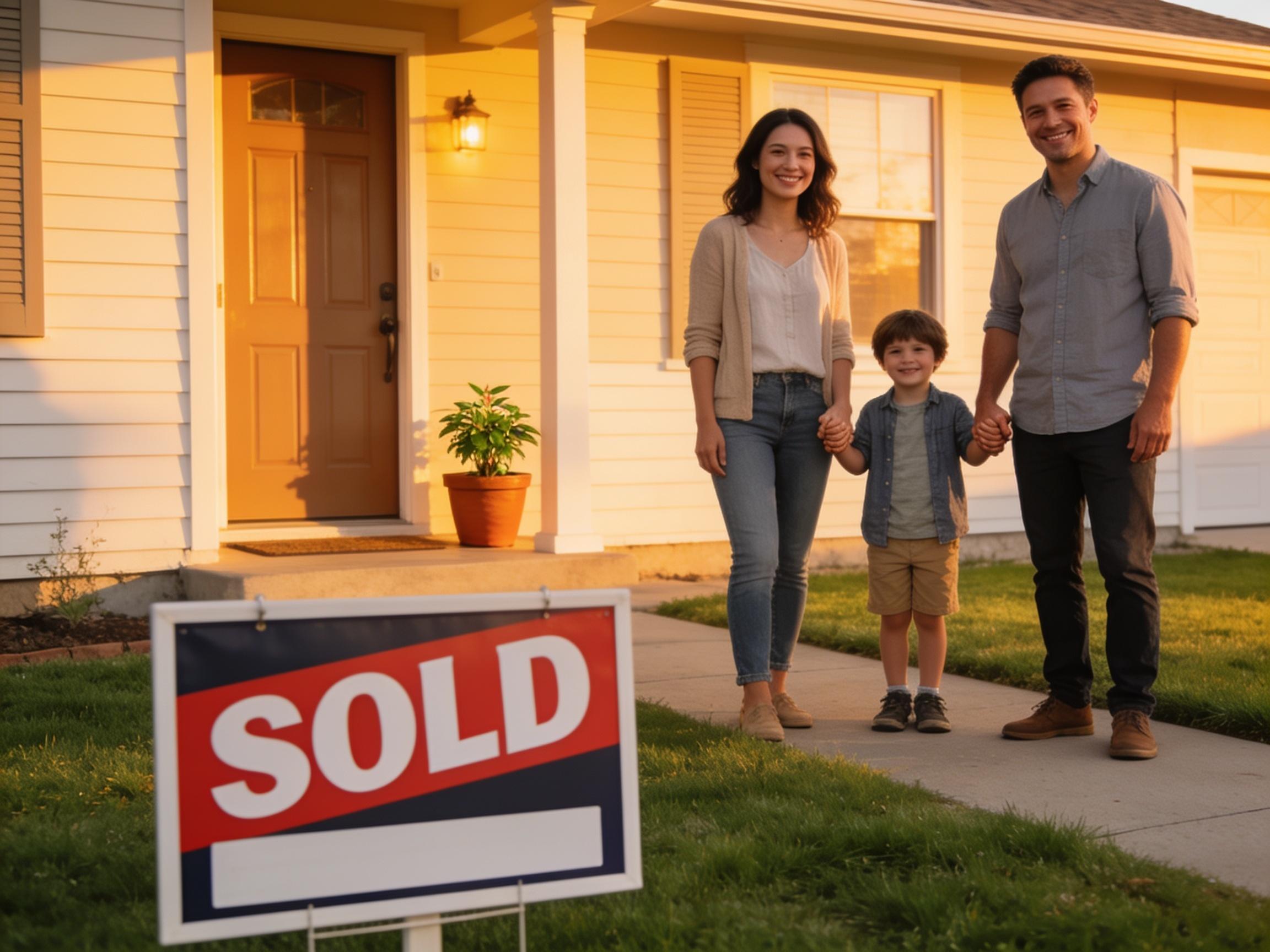
Stretch your housing dollars further with compact, high-value designs. Discover how tiny homes and prefab kits can slash costs without sacrificing comfort. See what you can really buy on a small budget and how to avoid surprise expenses.
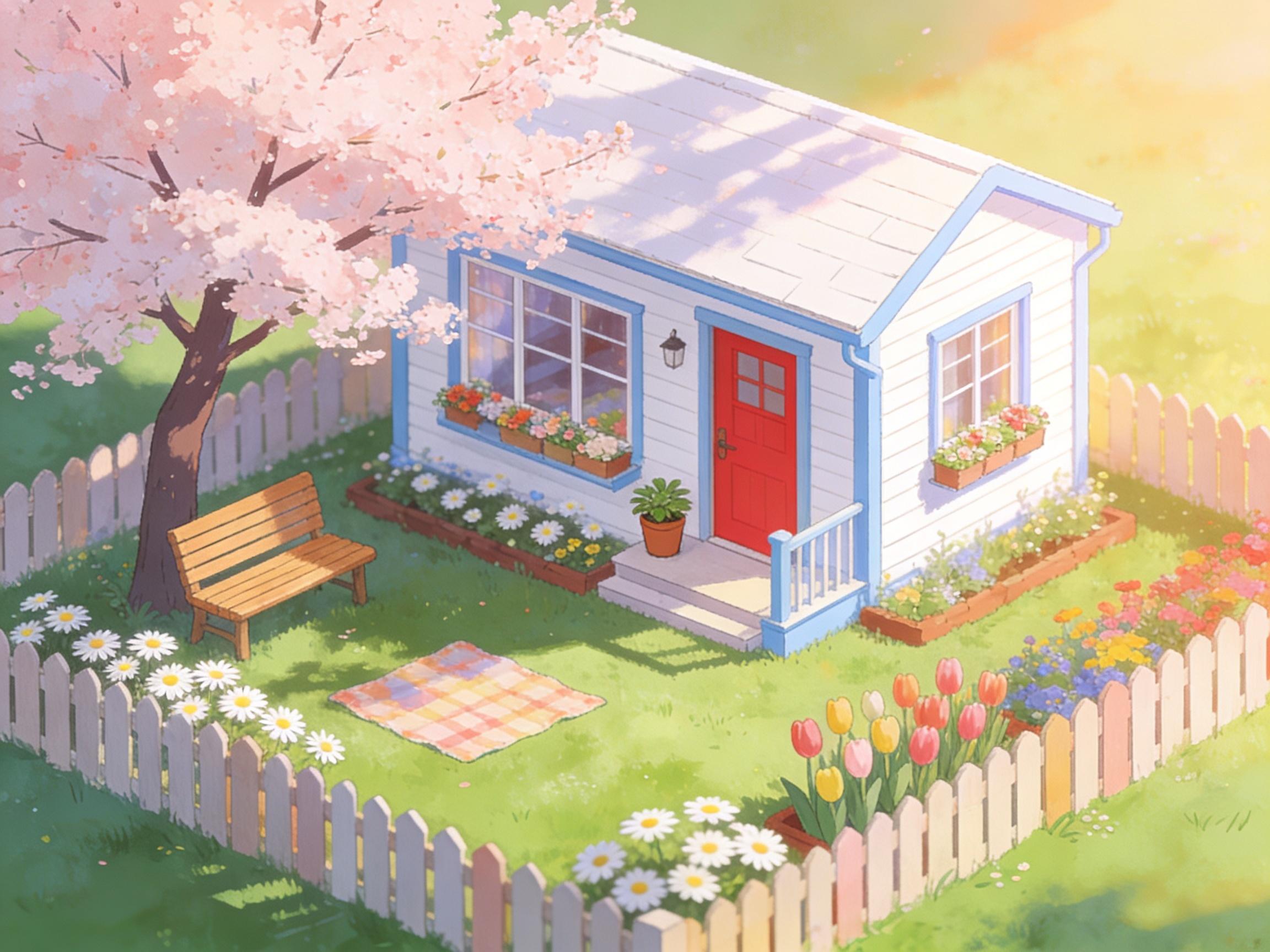
Why Small-Footprint Homes Are Surging
The American dream is being reimagined in fewer square feet, and for good reason. Smaller homes demand less cash up front, lower monthly utilities, and dramatically reduced maintenance. Whether you want a full-time dwelling, a rental, or a flexible ADU, today’s tiny homes and prefab house kits deliver polished design, energy efficiency, and speed to move-in—often at a fraction of conventional builds. Explore curated options and real prices from trusted brands via this guide from The Good Trade: 11 prefab tiny homes and where to buy them.
What You Can Get on a Small Budget
If you think you need six figures to own a home, look again. With a thoughtful plan and the right builder or kit, homeownership can fit a lean budget. Consider these common budget tiers and what they typically buy in the U.S.:
- $10,000–$25,000 (DIY-focused): Sweat equity plus smart sourcing can get you a basic tiny house shell or a complete ultra-budget build if you already have tools and trailer access. For tactics that squeeze dollars, see this practical breakdown: Ways to build a tiny house for under $12K.
- $25,000–$60,000 (Kit or shell): Prefab house kits provide pre-cut, engineered components to streamline framing. Companies like Mighty Small Homes publish kit pricing that can keep your project in this range, especially for 200–600 sq ft footprints.
- $60,000–$120,000 (Turnkey tiny on wheels): Fully finished tiny houses with cabinetry, appliances, and systems are available from established builders like Tumbleweed Tiny House Company. Monthly payment plans may be available for qualified buyers.
- $60,000–$150,000+ (Prefab small homes/ADUs): Larger prefab modules or higher-spec finishes raise costs, but you gain speed, warranty support, and code compliance options that work in more municipalities.
If you’re kit-curious and want a fast start, browse engineered house kits here: Amish Built Cabins – House Kits and compare against small-kit specialists like Mighty Small Homes. For immediate move-in timelines, prebuilt tiny homes from Tumbleweed provide finished interiors and established financing partners.
Sample Pricing Snapshot
Below is a quick, non-linked comparison of popular options and realistic starting prices. Always verify current pricing with the manufacturer and your installer; delivery, site prep, and local code requirements can change totals significantly.
| Company / Option | Typical Starting Price (USD) | Notes / Location |
|---|---|---|
| Tumbleweed Tiny House Company | ~$99,000 | Turnkey THOW; factory-built; Colorado Springs, CO |
| ESCAPE “Vista” (Park Model/THOW) | ~$50,000 | Compact, modern; Rice Lake, WI |
| Mighty Small Homes (600 sq ft kit) | ~$24,000+ | Structural shell kit; Louisville, KY; DIY or contractor |
| Amish Built Cabins (14×32 house kit) | ~$18,900+ | Pre-cut kit; KY/OH/IN region; assembly required |
| DIY Tiny House (materials + trailer) | ~$12,000–$25,000 | Skill-dependent; used materials can cut costs |
| Local Prefab ADU Builder (300–400 sq ft) | ~$75,000–$140,000 | Factory-finished module; site install & permits vary |
Prefab vs. Tiny Homes: Key Differences
The words “tiny” and “prefab” are often used together, but they describe different things that affect price, timeline, and legality.
- Definition: “Tiny home” refers to size (often 200–400 sq ft, sometimes up to 600). “Prefab” refers to construction method (factory-built panels, modules, or complete homes) delivered to your site.
- Mobility: Tiny homes on wheels (THOWs) are built on trailers and titled as RVs in many states. Prefab small homes are usually fixed to a foundation and permitted like traditional housing or ADUs.
- Codes & Inspections: Prefab modules are typically inspected in-factory under state modular programs and installed to local codes. THOWs may follow RV or ANSI standards; placement depends on local zoning and RV park rules.
- Financing & Insurance: Prefab ADUs can qualify for mortgage-type financing and standard homeowners insurance. THOWs often use RV loans, personal loans, or builder financing; insurance is typically RV/tiny-specific.
- Timeline: Prefab kits and modules reduce on-site time drastically. A THOW from a reputable builder is also swift, but permitting and placement can add time depending on your city.
- Customization: Kits offer design flexibility if you’re hands-on. Turnkey tiny builders offer curated layouts with upgrade menus to control cost.
To browse real-world prefab and tiny models side by side, compare collections from Mighty Small Homes, Tumbleweed, and this round-up of prebuilt options: 11 prefab tiny homes.
Hidden Costs (Land, Permits, Utilities)
Sticker price isn’t the whole picture. Plan for these often-overlooked line items before you put money down:
- Land and zoning: Verify whether tiny homes or ADUs are permitted on your parcel and whether a foundation is required. Some municipalities allow THOWs only in RV parks or as temporary dwellings.
- Permits and impact fees: Building permits for small homes or ADUs can range from $500 to $5,000+. In high-growth areas, impact fees may add $2,000 to $15,000 depending on utility districts.
- Site prep and foundation: Gravel pads for THOWs can run $1,500–$4,000. Slab or pier foundations for small prefab homes may cost $3,500–$12,000 depending on soil, frost depth, and engineering.
- Utilities: Power trenching can cost $10–$30 per linear foot. Septic systems often land between $4,000–$15,000; wells may be $3,000–$12,000+. Municipal hookups vary by jurisdiction.
- Delivery and craning: Factory delivery can add $2–$10 per mile. A small crane set might be $1,000–$3,000 if the module must be lifted over obstacles.
- Furnishings and finishes: Budget 10–20% for appliances, window coverings, built-ins, or off-grid upgrades (solar + battery, composting toilet, water storage).
- Insurance and registration: THOWs may require RV registration and specialized insurance; prefab ADUs follow standard homeowner policies but can raise premiums slightly.
Smart Financing Paths
Affordable doesn’t have to mean cash-only. Leverage these strategies to make ownership more attainable:
- Builder financing: Established tiny-home makers like Tumbleweed offer payment plans for qualified buyers.
- Credit unions & RV loans: THOWs can qualify for RV-style loans when built to RVIA/ANSI standards.
- Kit + contractor hybrid: Order a structural kit from Mighty Small Homes and hire local trades for MEP (mechanical, electrical, plumbing). This can reduce total cost versus full custom builds.
- HELOC or cash-out refinance: If you own property, tapping existing equity may unlock better interest rates for an on-site ADU.
- House hacking: Place a small prefab as a rental ADU to offset the payment. Mind local STR regulations if considering short-term rentals.
How to Choose the Right Path
Focus first on placement and rules, then match the product to your site and budget:
- Confirm legal placement: Call your planning department to ask about tiny homes on wheels vs. fixed ADUs, minimum size, and utility requirements.
- Set a total budget “ceiling”: Include 10–20% contingency for hidden costs. Work backward to find the best-fit size and spec.
- Decide DIY vs. turnkey: If you have time and skills, kits from Amish Built Cabins or Mighty Small Homes can save thousands. If you need speed and warranty support, consider a prebuilt tiny from Tumbleweed.
- Compare multiple quotes: Use a short list from resources like The Good Trade’s prefab tiny home guide and request itemized bids with delivery, site prep, and utility estimates.
- Plan for longevity: Energy-efficient envelopes, quality windows, and durable roofing reduce lifetime costs, even if they raise the initial price slightly.
Small, smart, and streamlined—affordable tiny homes and prefab houses can put ownership within reach without sacrificing comfort or design. With clear budgeting, a realistic view of hidden costs, and a build path that matches your skills and timeline, owning for less is not just possible—it’s practical.