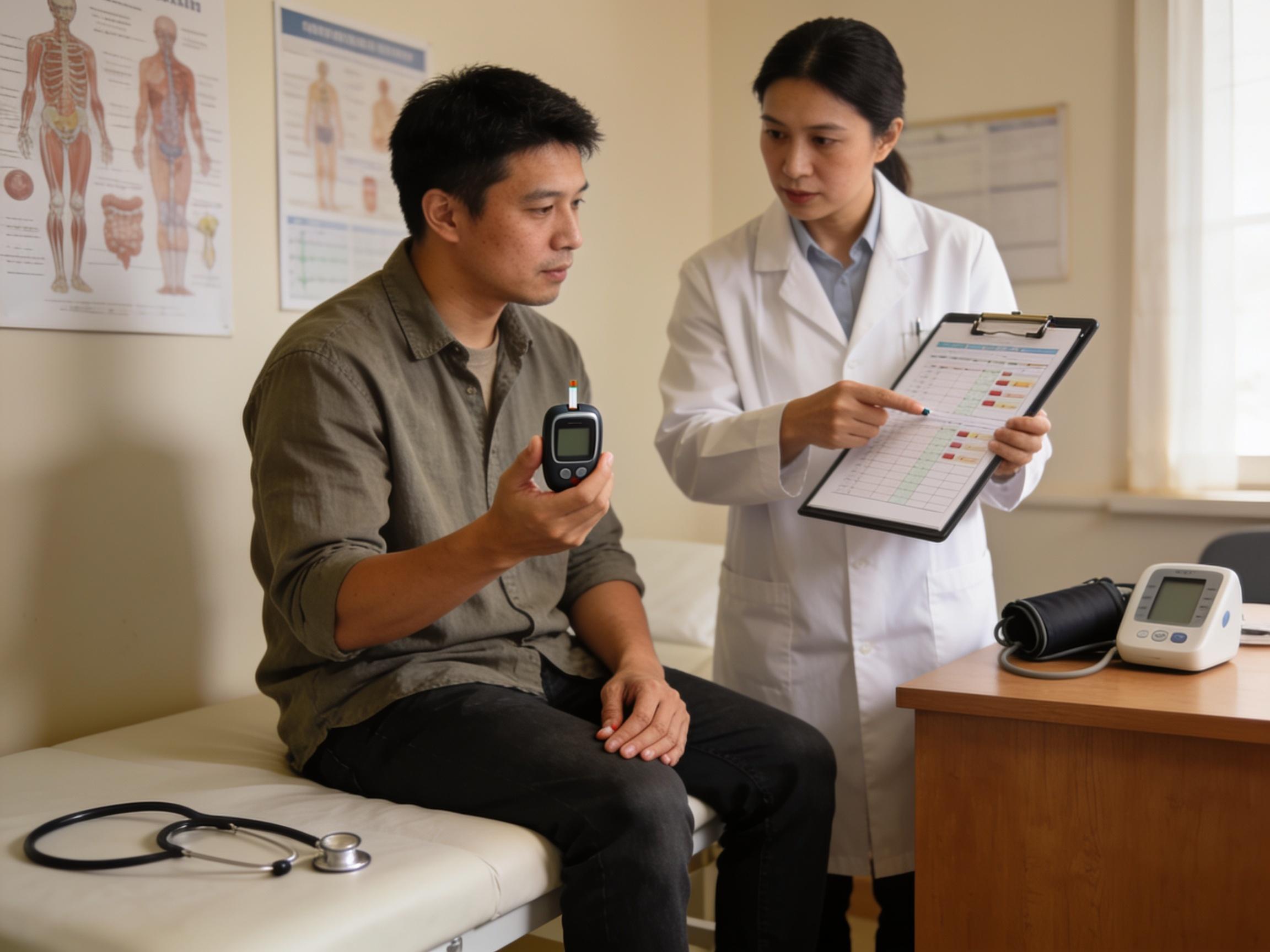
Curious why hospitals pay people to sleep? Wondering if you qualify and what the night actually looks like? Learn how these studies work, what participants earn, and what to expect from check-in to morning discharge.
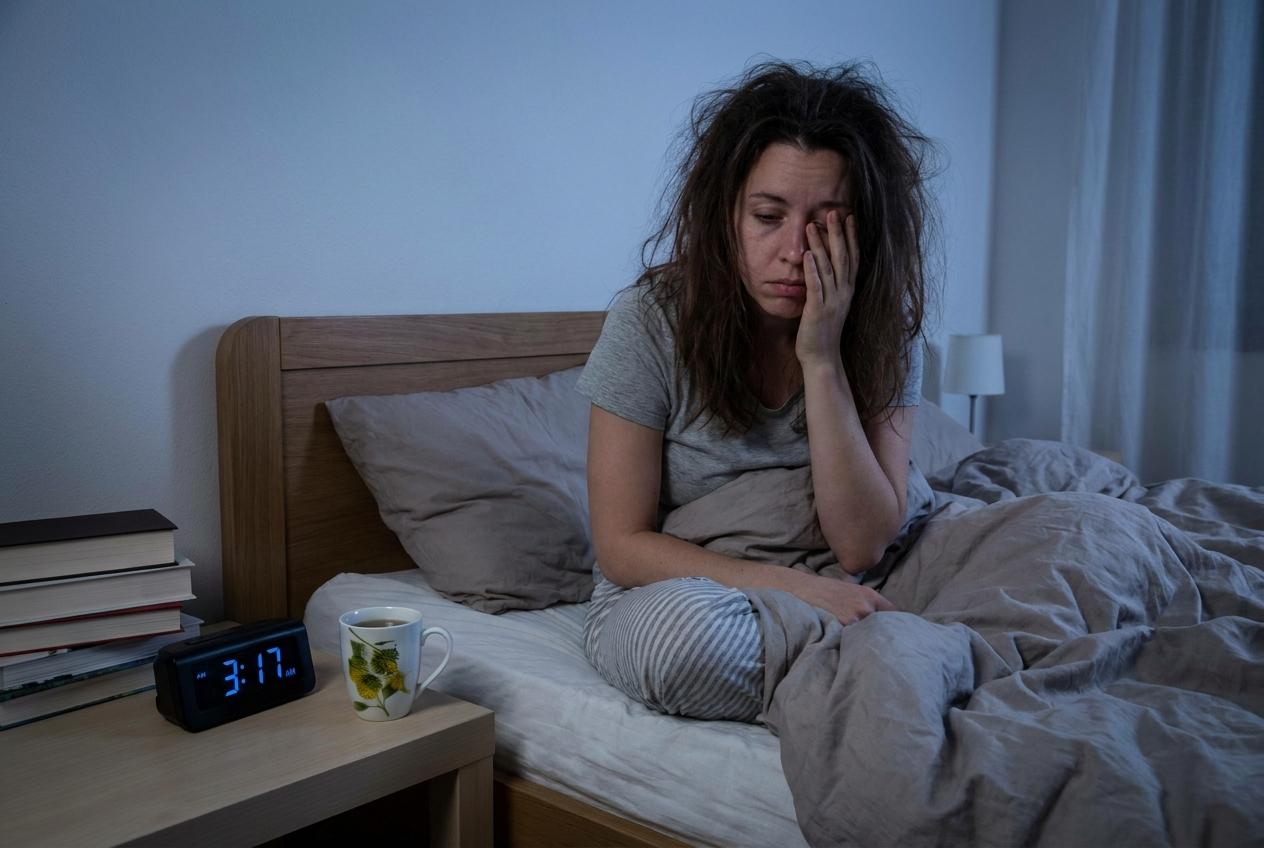
Why Paid Overnight Sleep Studies Are Recruiting Volunteers
Sleep medicine is evolving fast, and researchers across the U.S. need real-world sleepers to help validate new therapies, devices, and diagnostic methods. From refining CPAP settings to testing home-based monitors and investigating insomnia, circadian rhythm disorders, and sleep-related breathing issues, studies depend on volunteers to produce reliable, diverse data. Funding from universities, health systems, and federal grants supports participant compensation to remove financial barriers and encourage broad participation—including underrepresented groups whose sleep issues may be underdiagnosed.
If you’ve seen ads offering payment for overnight sleep studies, that compensation typically reflects the time commitment, the value of your data to the study, and any travel or logistical needs. Many projects also cover parking and transportation, making participation feasible for students, shift workers, caregivers, and busy professionals alike. To find reputable listings, check academic medical centers and university pages like the Clinical Trials section at Columbia University’s Division of General Medicine: Clinical Trials | Division of General Medicine.
How Overnight Sleep Studies Work
In-lab overnight sleep studies—called polysomnography—record your sleep stages and breathing to assess disorders like obstructive sleep apnea, restless legs, REM behavior disorder, and more. You’ll sleep in a private, hotel-like room while sensors capture detailed data that can’t be gathered with a smartwatch.
- Check-in and setup: You arrive in the evening. A technologist places small, removable sensors on your scalp and face (to track brainwaves and eye movement), on your chest and legs (to measure heart rhythm and muscle activity), and near the nose and chest/abdomen (to measure airflow and breathing effort). A soft finger probe tracks oxygen levels.
- Overnight monitoring: While you sleep, the lab records data on sleep stages (non-REM and REM), snoring, pauses in breathing, arousals, heart rhythm, oxygen drops, and limb movements. If the protocol includes CPAP titration, staff may fit a comfortable mask to find the right air pressure to keep your airway open.
- Morning wrap-up: Sensors are removed, you receive any next-step instructions, and most participants head out around 6–7 a.m.
Some studies compare in-lab testing with home options. Home sleep apnea tests (HSAT) are simpler kits you use in your own bed to measure breathing and oxygen levels. For background on typical pricing and what insurance may cover, see:
- How Much Does a Sleep Study Cost?
- How Much Does the Average Sleep Study Cost?
- Sleep Study Cost Breakdown: Lab vs Home Test Pricing
- Prefer to test at home? Learn about professional at-home pathways here: Skip the Hospital: Get a Professional Home Sleep Study Today!
Who May Qualify for Paid Research Opportunities
Each study sets inclusion and exclusion criteria to ensure safety and scientific accuracy. Many trials seek both symptomatic patients and healthy sleepers as controls.
- Commonly eligible: Adults 18–70, habitual snorers, people with witnessed apneas or daytime sleepiness, shift workers, those with chronic insomnia, or individuals newly diagnosed with sleep apnea who have not yet started therapy.
- Healthy volunteers: People without major sleep complaints are often needed to provide comparison data.
- Special groups: Older adults, individuals with higher BMI, postmenopausal women, people with cardiovascular or metabolic conditions, and underrepresented racial/ethnic groups are frequently prioritized to ensure findings reflect real U.S. populations.
- Potential exclusions: Uncontrolled medical conditions, recent substance use, certain medications that alter sleep architecture, or night-shift schedules (unless the study targets shift work).
- Screening process: Expect questionnaires (e.g., daytime sleepiness scales), a brief medical review, possibly a physical exam, and sometimes a short at-home pre-test to confirm eligibility.
Compensation and travel policies may vary by Columbus, study length, and whether an in-lab night or multiple visits are required.
What to Expect During an Overnight Stay
Research sleep labs aim to feel calm and private. You’ll have your own room, a restroom nearby, and a technologist available throughout the night.
- Arrival window: Typically 7–9 p.m. Bring a photo ID, comfortable sleepwear, toiletries, a favorite pillow if you like, and a list of medications.
- Quick prep tips: Avoid caffeine and alcohol that afternoon. Wash hair and skip heavy oils or gels so sensors adhere comfortably.
- The room: Expect a standard bed, dimmable lighting, a camera for safety and scoring (no audio recording of private conversations), and climate control. You can read or relax until lights-out.
- During the night: You can change positions freely. If you need the restroom, staff will pause sensors briefly and reconnect you after.
- Morning: Sensors come off quickly. Some studies offer a simple breakfast, travel validation, and a short exit questionnaire.
- Payment logistics: Many sites use prepaid cards or direct deposit; amounts often range from $100–$400 per night, with higher pay for multi-night or complex protocols. If total annual payments exceed $600, you may be asked to complete a W‑9 for tax purposes.
Typical Costs vs. What Studies Cover
Paid research typically covers the full testing cost and pays you for your time. To understand the costs you avoid by joining a study, review typical self-pay ranges summarized below. Actual prices vary by location and insurance; figures reflect publicly reported U.S. ranges discussed by major health resources.
| Provider/Option | Type | Typical Self-Pay Price (USD) |
|---|---|---|
| U.S. Hospital Sleep Center | In-Lab Polysomnography (PSG) | $1,000 – $7,000 |
| Major Sleep Clinic | CPAP Titration Study | $1,000 – $3,000 |
| Hospital Sleep Lab | Split-Night PSG + Titration | $1,500 – $5,000 |
| National Vendor (HSAT) | Home Sleep Apnea Test | $150 – $500 |
| Telemedicine Sleep Service | At-Home Test + Report | $189 – $399 |
These ranges align with national overviews from the Sleep Foundation (How Much Does a Sleep Study Cost?), GoodRx (How Much Does the Average Sleep Study Cost?), and HSAT vendors that publish typical fees, such as the breakdown here: Sleep Study Cost Breakdown: Lab vs Home Test Pricing. In paid studies, these costs are usually covered by the sponsor—and you receive compensation on top.
How to Find and Enroll in a Paid Overnight Study
- Start with universities and hospitals: Browse pages like Columbia’s listing of active trials: Clinical Trials | Division of General Medicine. Many centers let you filter by “sleep” or “respiratory.”
- Check eligibility by phone: Coordinators can pre-screen you in 5–15 minutes and explain compensation, timelines, and travel support.
- Confirm the protocol: Ask whether it’s in-lab or at-home, the number of nights, any washout periods, and whether you’ll try CPAP or other devices.
- Understand consent: You’ll review risks, benefits, privacy protections, and your right to withdraw at any time before signing.
Safety, Ethics, and Payment Details
Reputable studies are reviewed by Institutional Review Boards (IRBs) to protect participants. You’ll receive a detailed informed-consent form outlining procedures, risks (usually minor skin irritation from sensors), and data safeguards. Technologists are trained to monitor safely and intervene if needed.
Payment varies with study intensity and length. A simple single-night observation may pay $100–$250, while multi-night or device trials can exceed $300–$600 total or more. Many studies reimburse mileage, public transit, or rideshare; some provide parking vouchers and meals. Always confirm payment timing and method upfront.
The Bottom Line
Paid overnight sleep studies are recruiting now because better sleep science depends on volunteers. If you’re curious about your own sleep, want to contribute to research, and appreciate fair compensation, this could be a smart, low-risk way to make a difference. Explore listings at academic centers, compare in-lab and at-home options, and ask coordinators exactly what to expect so you can rest easy—literally—on study night.