Uneven floors, sticking doors, or widening cracks can signal that your home needs Foundation Repair. Act early to protect your biggest investment and control costs. Discover proven fixes, real-world prices, and how to find trusted pros near you.
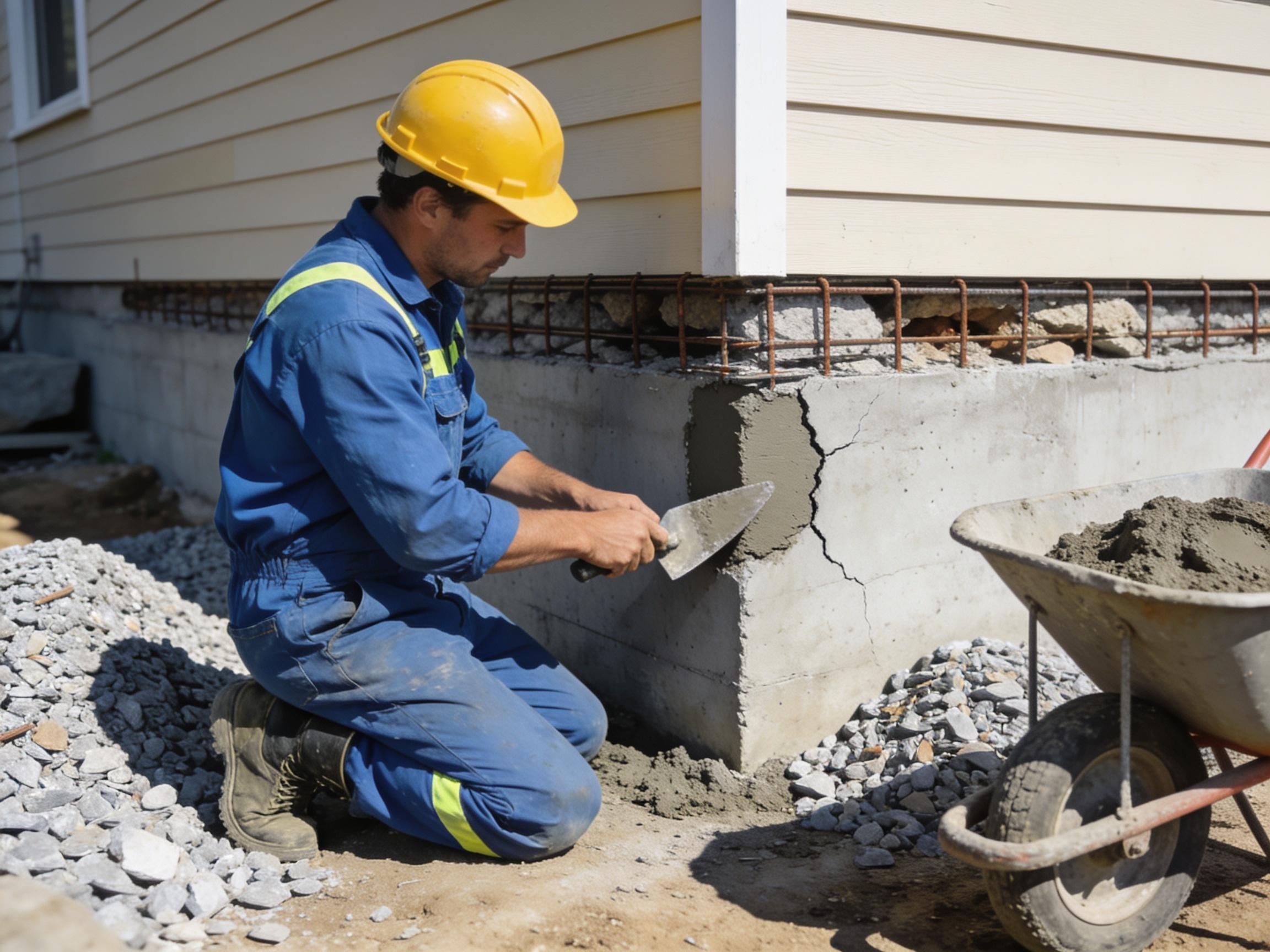
Why Foundations Fail and Why Timing Matters
Poor drainage, expansive clay soils, freeze-thaw cycles, tree roots, and plumbing leaks are the most common culprits behind foundation distress in the U.S. When soil swells with moisture or shrinks during drought, it moves your foundation—sometimes subtly, other times dramatically. Over time, this movement can translate into cracked walls, bowing basement panels, or misaligned windows. The key is speed: addressing small symptoms early often prevents more invasive, expensive structural work later. A qualified evaluator can differentiate cosmetic blemishes from true structural issues and propose a scope that fits your home and soil conditions.
Early Warning Signs You Shouldn’t Ignore
- Sticking doors and windows: Changes in frame alignment may indicate settlement or heave.
- Diagonal drywall cracks: Particularly above doorways and windows, these can reflect differential movement.
- Brick or block cracks: Stair-step patterns in masonry are red flags for shifting foundations.
- Uneven or bouncy floors: Slab or joist movement can point to settlement or moisture problems below.
- Gaps and separations: Spaces between walls and ceilings, exterior trim pulling away, or counters detaching from walls.
- Basement wall bowing: Inward movement from hydrostatic pressure requires prompt stabilization.
- Persistent moisture: Standing water, musty odors, or a perpetually damp crawl space can accelerate structural decay.
Common Repair Methods Explained
- Soil and water management: Downspout extensions, grading, French drains, and sump pumps reduce pressure and moisture that drive movement.
- Slabjacking (mudjacking or polyurethane foam): Lifts sunken concrete slabs by injecting material beneath; best for settled flatwork and some slab-on-grade floors.
- Piering (helical or push piers): Transfers load to deeper, stable strata; ideal for significant settlement. Helical piers screw into soil; push piers drive to refusal.
- Wall anchors and carbon fiber: Counteract lateral soil pressure and stabilize or straighten bowing basement walls.
- Crack repair and waterproofing: Epoxy or polyurethane injection restores monolithic behavior and blocks water; interior or exterior membranes manage seepage.
- Crawl space solutions: Encapsulation, dehumidification, and support jacks battle moisture and sagging floors.
Real-World Costs and What Affects Them
Scope drives price. A single epoxy crack injection can be a few hundred dollars, while whole-home stabilization with piers can run into the tens of thousands. Key variables include soil type, access, structure weight, number of piers or anchors, and whether drainage upgrades or interior finishes must be restored afterward. Use the ranges below as starting points and ask for a written plan, load calculations (where applicable), and transferable warranties.
| Service or Scope | Typical Price Range (USD) | Source / City or Context |
|---|---|---|
| Free home inspection (initial evaluation) | $0 | Groundworks | Saint Louis, MO |
| Crack injection (per crack) | $250–$800 | Angi | National average |
| Slabjacking/mudjacking (per area) | $500–$1,300 | HomeAdvisor | National average |
| Helical pier (per pier) | $1,500–$3,000 | MyFoundationRepairs | El Paso, TX estimate |
| Push pier (per pier) | $1,100–$2,500 | MyFoundationRepairs | El Paso, TX estimate |
| Basement wall anchor (per anchor) | $700–$1,200 | Angi | National average |
| Crawl space encapsulation (typical total) | $3,000–$10,000 | Foundation Supportworks | Hattiesburg, MS dealers |
| French drain / exterior drainage | $2,000–$6,000 | HomeAdvisor | National average |
| Sump pump install (with basin) | $1,200–$3,000 | HomeAdvisor | National average |
| Comprehensive foundation repair (typical total) | $2,300–$7,800 | HomeAdvisor | Indianapolis, IN |
| Comprehensive foundation repair (typical total) | $2,200–$7,200 | HomeAdvisor | Toledo, OH |
Find Trusted Pros Near You
Getting multiple quotes from vetted specialists helps you compare scope, warranty, and price. Start with providers who understand your region’s soil and weather patterns:
- Saint Louis, MO: Schedule a local evaluation with Groundworks foundation services.
- Indianapolis, IN: Compare ratings and request bids on HomeAdvisor’s Indy foundation pros page.
- Toledo, OH: Explore highly reviewed specialists via HomeAdvisor Toledo foundation contractors.
- El Paso, TX: Find certified contractors familiar with desert soils through MyFoundationRepairs El Paso directory.
- Hattiesburg, MS: Connect with a regional dealer network at Foundation Supportworks in Hattiesburg.
How to Choose the Right Contractor in Columbus
- Credentials and insurance: Verify state licensing where applicable, general liability, and workers’ comp coverage.
- Engineering input: For structural changes, ask if a licensed professional engineer will review or stamp the design.
- Transparent scope: Require a drawing or plan showing pier counts, anchor spacing, lift expectations, and any finish repair.
- Soil-aware solutions: Your contractor should discuss local soils (expansive clays, loess, sands) and tailor methods accordingly.
- Warranty clarity: Look for transferable, long-term warranties on piers/anchors; understand exclusions and maintenance requirements.
- Moisture management: Make drainage and waterproofing part of the plan where water is a driver of movement.
- Comparable bids: Gather at least two to three quotes that price the same scope so you can compare apples to apples.
- References and reviews: Speak with recent customers and check third-party platforms for consistent performance.
Timeline, Permits, and Life After Repair
Smaller repairs (crack injection, a few slabjacking points) often wrap in a day. Larger piering or wall stabilization typically spans two to five days, plus time for permits and inspections depending on your jurisdiction. Expect some landscape disruption near footing lines and plan for interior finish repairs (drywall, flooring) after structural work settles. Ongoing maintenance—clearing gutters, extending downspouts 6–10 feet, and maintaining grading—protects your investment. Many homeowners also add a sump system or dehumidifier to keep moisture in check.
FAQ: Quick Answers for Homeowners
- Do I always need piers? No. If drainage is the root cause, correcting water may resolve or stabilize minor issues. Piers are for confirmed settlement with inadequate bearing soils.
- Will insurance cover it? Homeowners policies rarely cover settlement; sudden events (like a burst pipe undermining soil) may be treated differently. Ask your insurer.
- How many bids should I get? At least two, ideally three—especially for piering or wall systems where methods and warranties vary.
- Can I sell my home after repair? Yes. Keep all documentation and warranties; buyers often prefer a corrected, warrantied foundation to unresolved problems.
- What if I see new cracks after lifting? Minor cosmetic cracking can occur as loads redistribute. Your contractor should explain expectations and included finish touch-ups, if any.
Taking swift, informed action on Foundation Repair preserves structural integrity, improves resale confidence, and can lower total cost. Start with a professional evaluation, compare transparent plans, and pair structural fixes with proper drainage. With the right partner and scope, you can restore stability and peace of mind for years to come.