Thinking about pursuing an online radiology degree? Navigating the myriad of programs and requirements can seem overwhelming, but with the right guidance, it's entirely achievable. Discover how to select and thrive in an online radiology program, ensuring your educational journey is both rewarding and fruitful.
What an Online Radiology Degree Actually Is
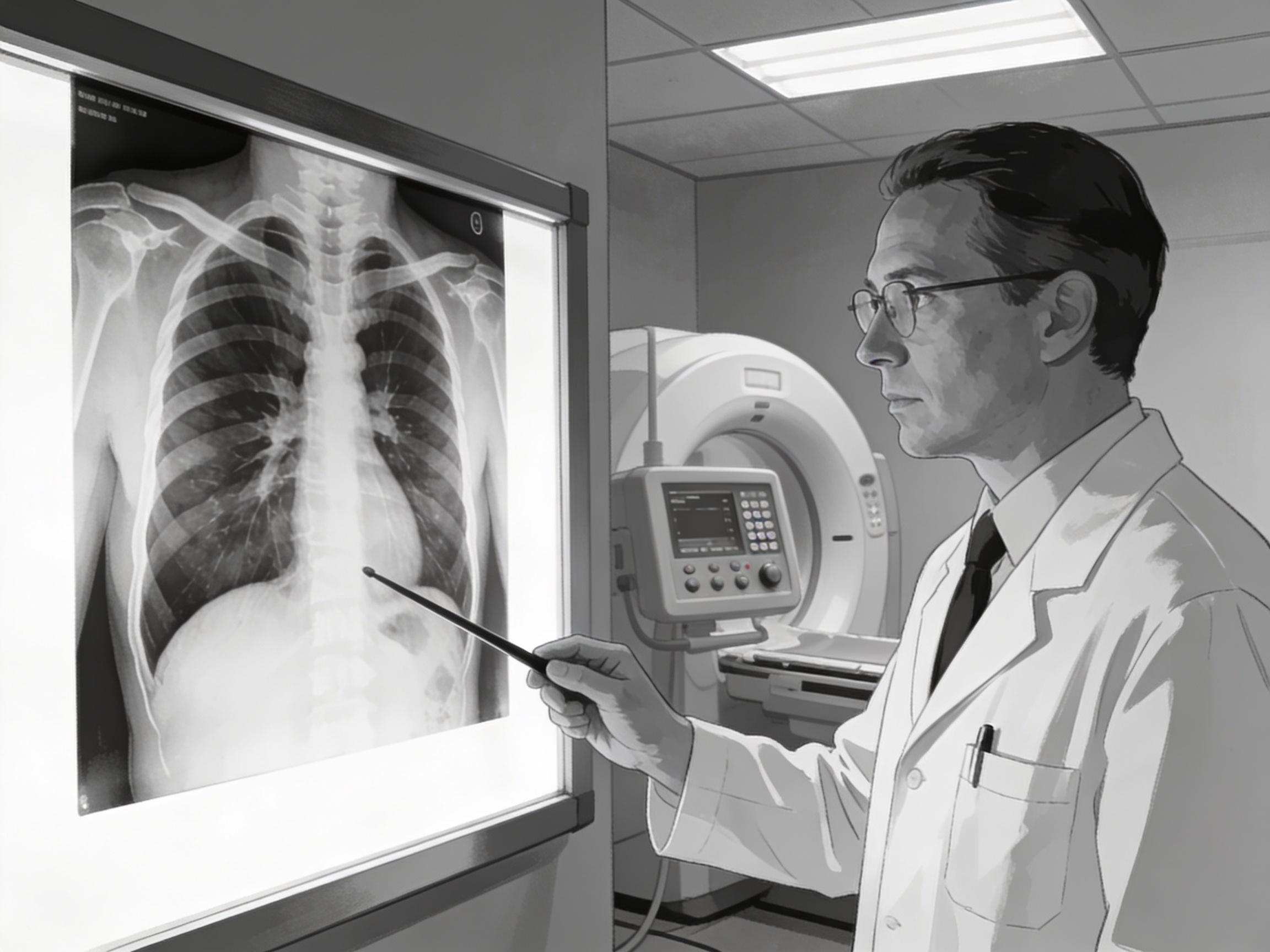
An online radiology degree, also known as radiologic technology, prepares students for careers in medical imaging, including X-rays, CT scans, and MRIs. These programs provide a combination of theoretical knowledge and practical skills essential for diagnostic imaging. Online programs offer flexibility, allowing students to balance studies with personal and professional commitments.
Accreditation, Certification, and Clinical Requirements
Accreditation is crucial when selecting an online radiology program. Accredited programs meet the standards set by professional bodies, ensuring quality education. The Joint Review Committee on Education in Radiologic Technology (JRCERT) is a key accrediting agency. Certification from the American Registry of Radiologic Technologists (ARRT) is required for employment in most states. Students must complete clinical rotations at affiliated healthcare facilities to gain hands-on experience. These requirements are mandatory and help ensure you are well-prepared for your career.
Choosing the Right Program and Understanding Cost
Choosing the right program involves evaluating factors such as accreditation, program length, curriculum, and cost. Tuition for online radiology programs can vary significantly. For instance, some programs list tuition fees from $200 to $500 per credit hour. Understanding financial aid options and scholarships is essential to manage costs effectively. Resources like Boise State University provide insights into choosing apt online radiology programs.
Checklist for Comparing Programs
When comparing online radiology programs, consider the following checklist:
- Accreditation: Ensure the program is accredited by JRCERT or equivalent.
- Curriculum: Review courses to ensure they cover necessary skills and knowledge.
- Clinical Opportunities: Confirm availability and location of clinical rotations.
- Flexibility: Check if the program accommodates your schedule and commitments.
- Cost: Compare tuition fees and available financial aid.
Use resources like EduMed and OnlineU to explore various programs.
Career Paths, Salaries, and Job Outlook
Graduates with an online radiology degree can pursue roles such as radiologic technologists or MRI technologists. According to the U.S. Bureau of Labor Statistics, the median annual salary for radiologic technologists was $63,710 in 2022. The demand for radiologic technologists is projected to grow 7% from 2021 to 2031, offering promising job prospects. For those interested in advancing, a bachelor's degree can open doors to supervisory or advanced positions, detailed further by LSU Online.
Making the Most of an Online Program
Success in an online radiology program involves effective time management and engagement with coursework. Establishing a study schedule helps maintain discipline and focus. Participating in online discussions and networking with peers can enrich your learning experience. Additionally, utilizing available resources provided by the program, such as tutoring and career services, can enhance your academic journey.
Sample Tuition Costs of Online Radiology Programs
| Institution | Location | Cost per Credit Hour |
|---|---|---|
| Boise State University | Boise, ID | $375 |
| Pima Medical Institute | Online | $405 |
| Oregon Tech | Klamath Falls, OR | $240 |
| University of Louisiana Monroe | Monroe, LA | $400 |
| Weber State University | Online | $297 |
These insights and guidelines will help as you embark on your journey toward an online radiology degree. With careful consideration and strategic planning, you'll be well-equipped to excel in this dynamic and rewarding field of healthcare.