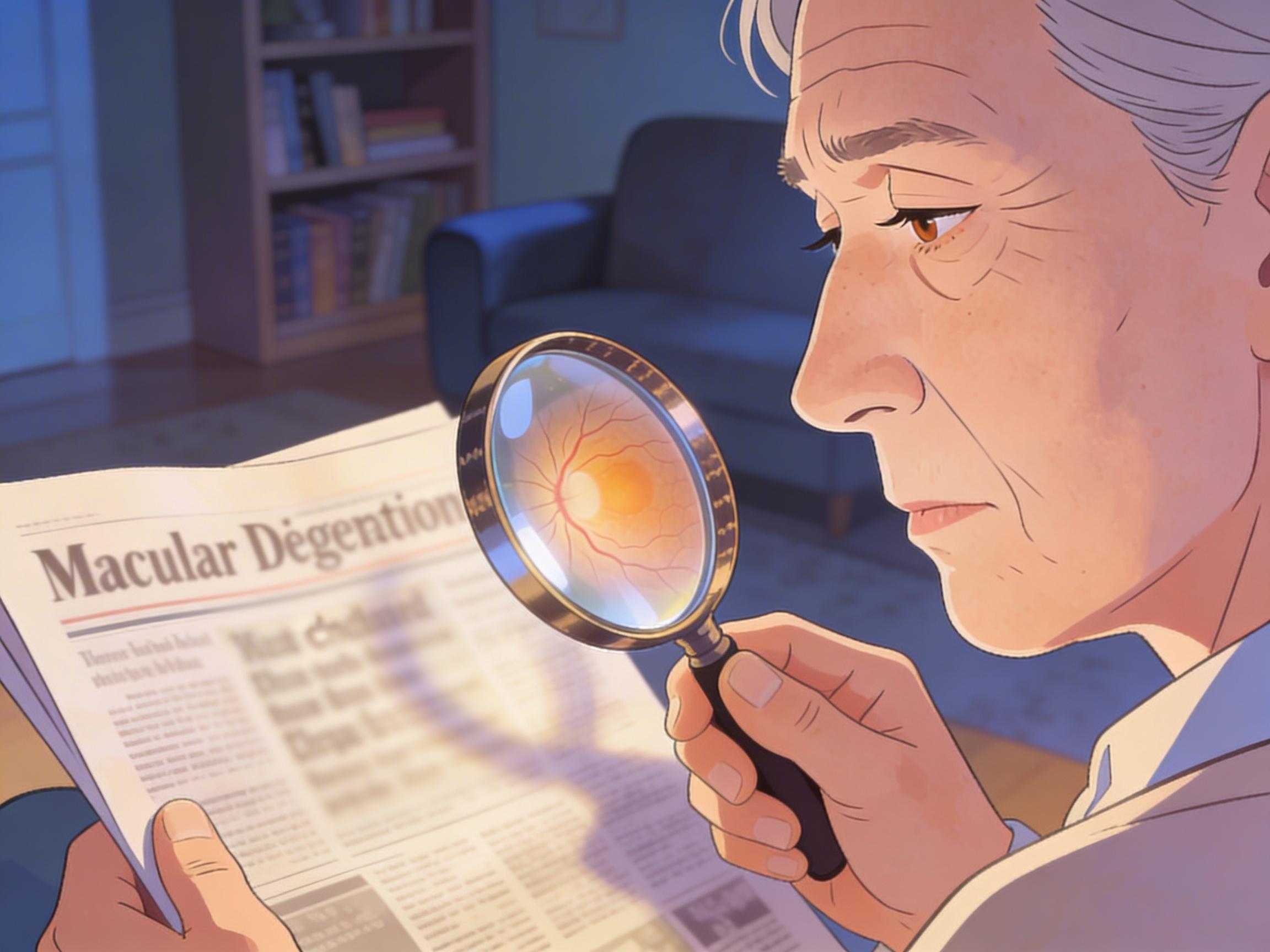
Macular degeneration is a critical eye condition that primarily affects older adults. It's a leading cause of vision loss, characterized by a gradual deterioration of the macula. Understanding the signs, symptoms, and medications that could potentially exacerbate this condition is essential for those at risk.
What is Macular Degeneration?
Macular degeneration, often referred to simply as age-related macular degeneration (AMD), is a condition that affects the retina's central part, the macula. This part of the eye is vital for sharp central vision, which is crucial for tasks like reading and driving. According to the Johns Hopkins Medicine Age-Related Macular Degeneration (AMD), there are two primary forms of macular degeneration: dry and wet.
- Dry AMD: The more common form involves the thinning of the macula, slowly leading to vision loss.
- Wet AMD: This less common but more severe form occurs when abnormal blood vessels grow under the retina, possibly leading to rapid vision loss. Learn more at Wet Macular Degeneration: Symptoms & Treatment.
What Causes Macular Degeneration?
The exact cause of macular degeneration is not fully understood, but several risk factors have been identified. These factors include aging, genetic predisposition, smoking, obesity, and high blood pressure. Environmental factors such as prolonged exposure to sunlight without protection may also play a role.
The condition progresses in stages, and recognizing the early signs can prompt timely interventions. For more insights, visit Macular degeneration stages, symptoms, and when to get an eye exam.
Signs and Symptoms
Early symptoms of macular degeneration can be subtle, which is why regular eye exams are crucial, especially for individuals over 50. Some common signs include:
- Distorted vision: Straight lines appear wavy or crooked.
- Dark or empty areas in the center of vision.
- Difficulty recognizing faces or colors.
- Need for brighter light when reading or doing close work.
Detection in the early stages can help manage symptoms more effectively and slow the progression of the disease.
What Medications Harm and Cause Macular Degeneration?
While medications specifically causing macular degeneration are not well-documented, certain drugs may exacerbate existing conditions or interfere with treatments:
- Cholesterol-Lowering Statins: Some research suggests that statins might influence AMD progression, although results are inconclusive.
- Anti-Malarial Drugs: Such as hydroxychloroquine, have been linked to potential retinal damage with prolonged use.
- Corticosteroids: High doses over long periods might have adverse effects on eye health.
For more comprehensive insights into the causes, symptoms, and treatments, the Drugs.com guide is an excellent resource: Macular degeneration Guide: Causes, Symptoms and ....
Preventive Measures and Future Outlook
While it's challenging to prevent macular degeneration entirely, adopting certain lifestyle changes can help manage risk:
- Quit smoking to reduce oxidative stress.
- Maintain a healthy weight to manage blood pressure and cholesterol.
- Eat a diet rich in leafy greens and omega-3 fatty acids.
- Wear sunglasses to protect against UV rays.
Cost Analysis of Treatments Available
It's essential to consider the financial implications of managing macular degeneration. Below is a table displaying potential treatment options along with their cost estimates:
| Clinic/Treatment Center | Location | Approximate Cost (USD) |
|---|---|---|
| Retina Health Center | New York, NY | $1,500 - $3,000 |
| Eye Institute | Los Angeles, CA | $1,200 - $2,800 |
| Visual Care | Chicago, IL | $1,300 - $3,100 |
| Sight Restoration | Houston, TX | $1,400 - $3,200 |
| AMD Treatment Center | Phoenix, AZ | $1,250 - $3,050 |
As we continue to study macular degeneration, advancements in treatment and understanding are steadily emerging. For a detailed overview of current treatments, refer to UPMC's guide on the topic: Macular Degeneration Causes, Symptoms, and Treatments.
By staying informed and vigilant, individuals can take proactive steps towards managing their eye health and mitigating the effects of this prevalent condition.