Are you or a loved one struggling with the discomforts of colitis? Finding effective symptom relief can drastically improve quality of life. Discover practical tips and strategies to manage hydration, diet, and nutrition during a flare.
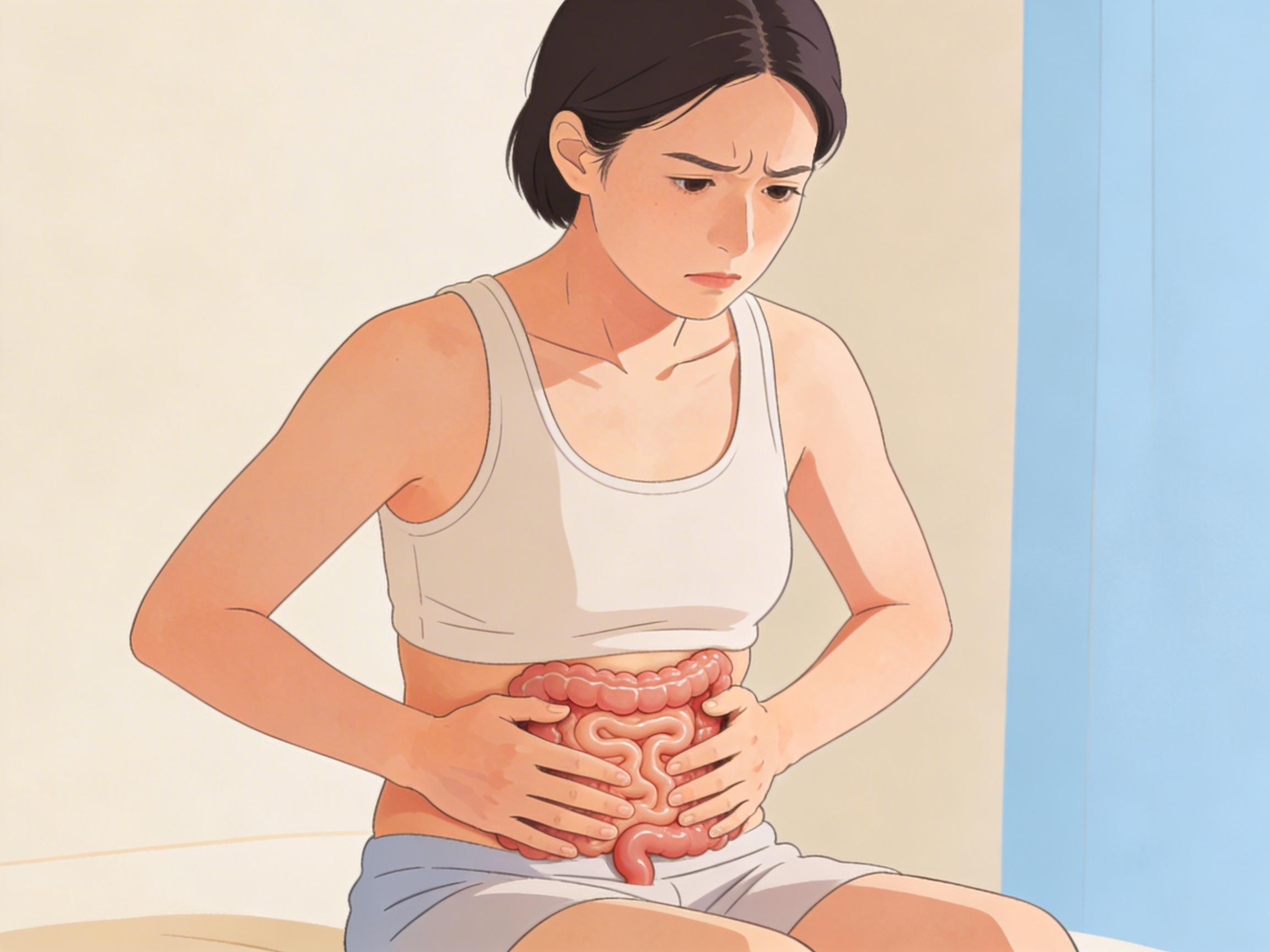
Why Hydration Matters in Colitis and What is Lost with Symptoms
Hydration is crucial for everyone, but especially for individuals with colitis. During a colitis flare, diarrhea can lead to significant fluid and electrolyte loss, causing dehydration. Electrolytes such as sodium, potassium, and chloride are essential for various bodily functions including nerve signal transmission and muscle contraction. Losing these vital components can exacerbate symptoms and lead to further health complications. It is essential to maintain a balance to avoid complications like kidney stones and urinary issues, which can result from prolonged dehydration.
With colitis, the body's ability to absorb nutrients and fluids is impaired. According to the Mayo Clinic, staying hydrated can ease symptoms and aid recovery during a flare-up. Weight loss, cramping, and fatigue are often compounded by dehydration, highlighting the importance of maintaining adequate fluid intake.
Foods that Supply Fluids and Electrolytes Safely
Incorporating foods rich in fluids and electrolytes into your diet can support hydration and recovery. However, not all foods are advisable during a colitis flare-up. Choose those that are gentle on the digestive tract and high in electrolytes:
- Bananas: High in potassium, which replenishes lost electrolytes.
- Broths: Clear broths provide fluids and sodium without irritating the stomach.
- Watermelon: Contains high water content and small amounts of other electrolytes.
- Coconut Water: Naturally rich in sodium, potassium, and magnesium.
- Skinless poultry: Easy on digestion and provides protein.
For more detailed dietary guidelines, visit the Crohn's & Colitis Foundation.
Understanding Key Dietary Terms and Textures During a Flare
Dietary adjustments during a flare help manage symptoms and avoid irritation. Opt for low-fiber, low-residue diets to reduce bowel movement frequency and diarrhea. Foods should be easy to digest to lessen the strain on the colon:
- Low-Residue Diet: Aids in minimizing fiber while still providing necessary nutrients. Avoid nuts, seeds, and whole grains.
- Low-Fiber Diet: Designed to reduce indigestible plant materials, preventing irritation. Steer clear of raw fruits and vegetables.
These dietary patterns are part of a broader clinical strategy detailed in the Ulcerative Colitis Clinical Guidance Toolkit.
Practical Meal and Snack Strategies to Boost Intake
Making strategic meal and snack choices can help maintain nutrition and hydration. Here are practical strategies:
- Frequent Small Meals: Eat several small meals throughout the day to ensure nutrient intake without overwhelming the digestive system.
- Bland Foods: Choose plain carbohydrates like white rice or simple proteins like grilled chicken to reduce irritation.
- Hydrating Snacks: Include hydrating snacks such as electrolyte-rich fruit gels or purée pouches designed for sensitive digestion.
Practical Next Steps and Working with Your Care Team
Collaboration with a healthcare team is vital in managing colitis. Regular consultations can help adjust treatment plans to individual needs. This could include medication adjustments—a topic explored in the Comprehensive Guide to Medication Options for Colitis.
Additionally, consider joining support groups or seeking nutritional advice customized to your condition. For a broader perspective on diet and treatment, check out resources from the NHS on Ulcerative Colitis Treatment.
Resource Pricing Table
| Resource | Cost | Location |
|---|---|---|
| Consultation with Dietician | $100 | National Average |
| Ulcerative Colitis Toolkit | Free | Online |
| Support Group Membership | $25/month | Online |
| Hydrating Snack Packs | $30/pack | Retail Stores |
| Coconut Water Subscription | $15/month | Online |
Taking an informed and proactive approach to managing colitis can significantly alleviate symptoms and improve quality of life. Engaging with medical professionals and utilizing available resources can create a comprehensive support system for effective management.