Concrete touches every skyline, sidewalk, and stadium in America. Behind it are skilled professionals building durable infrastructure and steady careers. Discover where the best opportunities are, what skills employers want, and how pay is trending nationwide.
Understanding Concrete Jobs
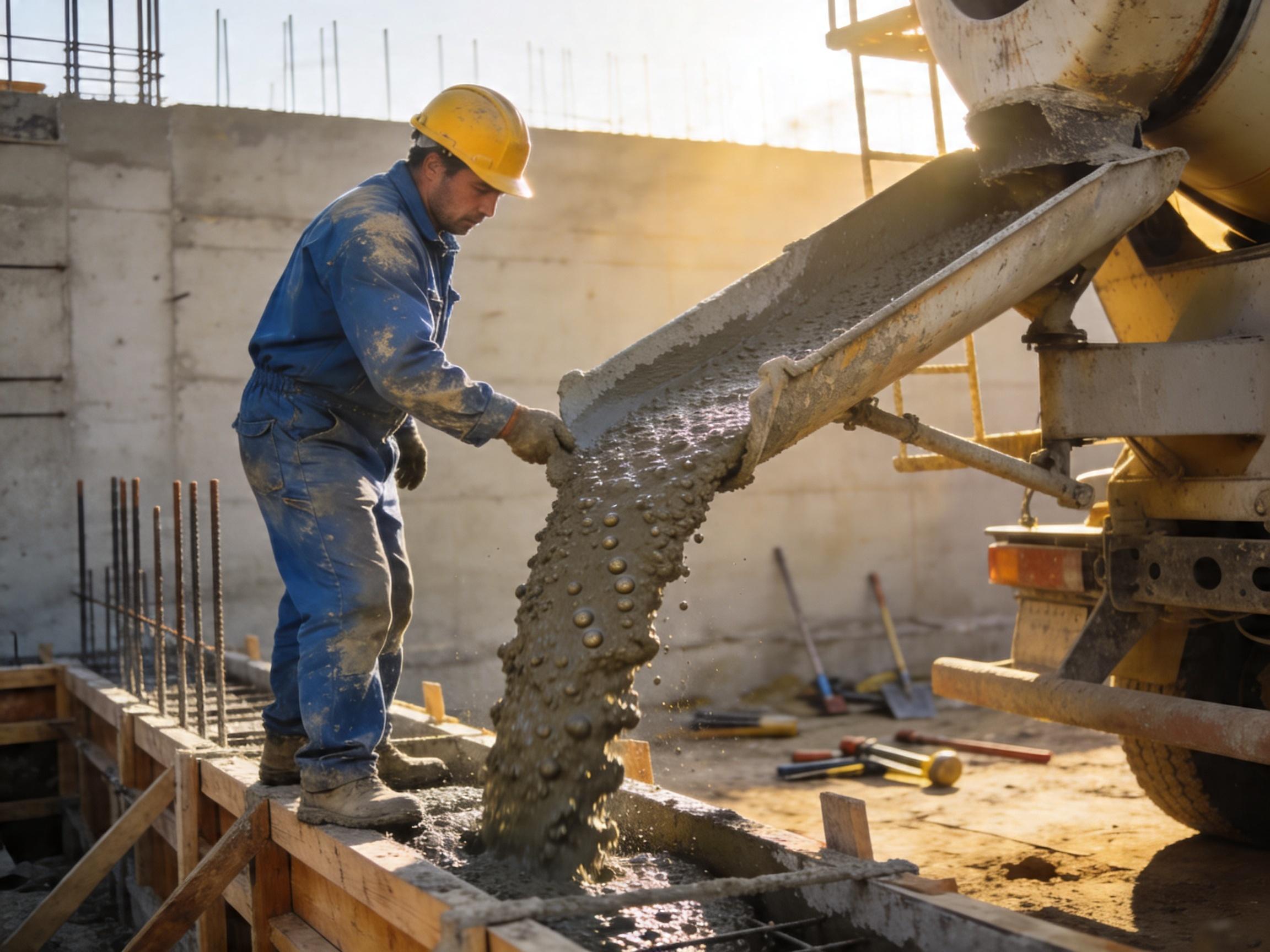
Concrete work is a backbone of the U.S. built environment, spanning residential slabs, high-rise frames, bridges, tunnels, and industrial plants. The field blends craft, science, logistics, and safety—offering hands-on roles on site and technical roles in plants, labs, and offices. Whether you’re pivoting from general labor, upskilling in a trade, or aiming for management, there’s a clear path.
Explore role overviews and realistic day-to-day expectations with these resources:
- 18 jobs in the concrete industry to consider
- Concrete careers and education pathways
- Explore roles across the concrete and construction industry
Common career tracks include:
- Concrete Laborer and Apprentice: Entry point supporting placements, mixing, cleanup, and tool handling while learning safety and terminology.
- Cement Mason / Concrete Finisher: Places, screeds, floats, trowels, and cures slabs and flatwork; masters edges, joints, hardeners, and finishes.
- Formwork Carpenter: Builds and sets forms for walls, columns, beams, and decks; reads drawings and ensures alignment and stripping procedures.
- Rebar Ironworker: Cuts, bends, and ties steel reinforcement per plans and codes; coordinates with formwork crews and inspectors.
- Concrete Pump Operator: Safely operates boom or line pumps, sets outriggers, manages hose flow, and coordinates with placing crews.
- Ready-Mix Driver: Delivers concrete to site, manages slump water, and documents tickets under DOT rules (often requires a CDL).
- Batch Plant Operator: Calibrates mixes, monitors materials, batching software, and quality control for ready-mix or precast facilities.
- Quality Control Technician: Performs slump, air, temperature, and cylinder tests; validates specs and documents results.
- Estimators, Project Engineers, and Superintendents: Plan scopes, schedules, and budgets; coordinate crews, safety, and quality across projects.
For a deeper look at a core craft role, review Concrete Finisher Jobs: Skills, Pay & Career Growth.
Opportunities by Location
Concrete hiring follows where people and capital are building. Infrastructure upgrades, housing starts, and industrial investment all move demand. Regionally, multiple hot spots continue to stand out:
- Sun Belt Metros: Texas (Dallas–Fort Worth, Houston, Austin), Florida (Orlando, Tampa, Miami), and Arizona (Phoenix) see persistent residential and logistics growth fueling flatwork and tilt-wall demand.
- West Coast: California’s seismic retrofits, data centers, and public transit expansions require specialized concrete crews familiar with rebar congestion and form systems.
- Midwest and Great Lakes: Manufacturing reinvestment and warehouse hubs across Ohio, Michigan, Indiana, and Illinois keep union and open-shop crews busy.
- Mountain and Plains: Colorado, Utah, and Idaho combine steady housing with infrastructure; cold-weather placement and curing know-how add value.
- East Coast Corridors: From the Carolinas through the Mid-Atlantic to New England, port upgrades, hospitals, and higher-ed facilities sustain complex vertical concrete packages.
If you’re job-hunting in Columbus, filter by role and certification on curated boards such as ConcreteJobsHub, compare high-paying listings on ZipRecruiter’s highest-paying concrete jobs, and scan role definitions on Indeed’s concrete industry overview. Union contractors may post directly through local halls; non-union firms often use national job boards.
Skills and Certifications Required
Concrete rewards craft mastery, safety discipline, and reliability. Employers consistently prioritize:
- Core Craft Skills: Reading drawings, layout, elevation control, formwork assembly, rebar placement, consolidation (vibration), finishing sequences, and curing methods.
- Material Knowledge: Mix designs, admixtures, air entrainment, slump/flow, set times, hot/cold weather concreting, and surface treatments.
- Equipment: Laser screeds, power trowels, ride-on trowels, concrete saws, vibrators, screeds, and safe pump/boom operations.
- Safety: Fall protection, silica exposure control, rigging, lockout/tagout in plants, and traffic control near pours.
- Digital Tools: Batching software, laser levels, total stations, and basic BIM/model coordination on complex pours.
Certifications that boost credibility and pay potential include:
- ACI (American Concrete Institute): Field Testing Technician—Grade I; Concrete Flatwork Finisher/Technician; Concrete Strength Testing Technician. These are widely recognized by contractors and ready-mix producers.
- OSHA 10/30: Essential safety credentials often required for site access (30-hour favored for foremen/leads).
- NCCER Concrete Construction: Modular training and assessments validating craft competencies.
- CDL (Class B or A): Required for many ready-mix driver roles; clean MVR sought by fleet employers.
- Pump Operator Training: Manufacturer and industry courses on boom setup, outrigger safety, and pipeline maintenance; many firms require documented training and a clean safety record.
If you’re honing a finishing path, review the detailed skill checklist and career ladder here: Concrete Finisher Jobs: Skills, Pay & Career Growth. For longer-term advancement, explore degree-linked roles—estimating, project management, and materials testing—at Concrete careers.
Typical Income and Job Growth
Concrete pay varies by role, region, union status, night/weekend pour premiums, and complexity (e.g., architectural finishes or high-rebar structural work). Over the last several years, compensation has trended upward due to a persistent craft labor shortage and strong public and private construction spending. High-demand roles—pump operators, finishers, rebar ironworkers, and superintendents—command meaningful differentials, especially in metros with mega-projects, industrial builds, or large infrastructure programs.
The ranges below synthesize recent postings and market snapshots from sources like ZipRecruiter and Indeed. Actual offers depend on experience, certifications, and local demand.
| Role | Typical US Pay (hourly) | Hot Markets |
|---|---|---|
| Concrete Finisher / Cement Mason | $22–$35 | TX, FL, CA, AZ |
| Formwork Carpenter | $23–$35 | CA, CO, WA, NY/NJ |
| Rebar Ironworker | $24–$36 | IL, OH, MI, PA |
| Concrete Pump Operator | $25–$38 | TX, FL, GA, NC |
| Ready-Mix Truck Driver (CDL) | $20–$32 | Nationwide urban/suburban |
| Batch Plant Operator | $22–$34 | CA, AZ, NV, TX |
| Quality Control Technician | $21–$30 | FL, GA, TN, Carolinas |
| Shotcrete Nozzleman (experienced) | $28–$45 | CA, CO, UT, NY |
| Foreman / Superintendent (converted) | $38–$55 | Mega-project metros, nationwide |
What drives the top end of these ranges?
- Certifications and specialization: ACI, advanced finish standards, architectural concrete, and complex structural work raise rates.
- Shift timing and conditions: Night or weekend pours, tight shutdown windows, extreme weather, and remote projects often include premiums.
- Union agreements: Collective bargaining can set higher base rates and fringe benefits in certain cities.
- Project type: Industrial floors, data centers, airport pavements, hospitals, and bridges typically pay more than small residential work.
On job growth, the U.S. outlook for concrete roles remains solid. Federal, state, and local infrastructure programs, plus private-sector industrial and logistics investment, support steady demand for at least the medium term. As experienced craftworkers retire, employers are widening apprenticeships and fast-tracking capable entry-level hands. Candidates who combine safety credentials, ACI certifications, and reliability are well-positioned to move quickly into higher-paying roles.
How to Launch and Advance
- Get site-ready fast: Earn OSHA 10, brush up on tool names, placement basics, and safety expectations. Show up early and prepared—reliability is your first promotion.
- Target high-demand roles: If you enjoy precision, finishing and rebar offer fast skill growth; if you like equipment, pump operation and batch plant roles fit well.
- Certify early: Schedule ACI Field Testing Technician—Grade I and Flatwork certifications within your first year to validate skills.
- Follow the work: Willingness to travel to booming metros or out-of-town pours can lift your earnings and speed advancement.
- Network smart: Keep a tidy portfolio—photos of pours, finishes, and formwork you’ve built. Supervisors hire proven hands.
Ready to compare paths and apply? Browse role definitions and openings at ConcreteJobsHub, scan high-paying listings on ZipRecruiter, explore structured career ladders at ConcreteDegree.com, and discover more role ideas on Indeed’s industry roundup. Whether you’re just starting or leveling up into supervision, concrete offers durable paychecks and a career you can point to in any skyline.