Looking for a faster way into a well-paid, hands-on career? Many online trade certifications now take weeks, not years. Skip the long degree and start building real skills employers want.
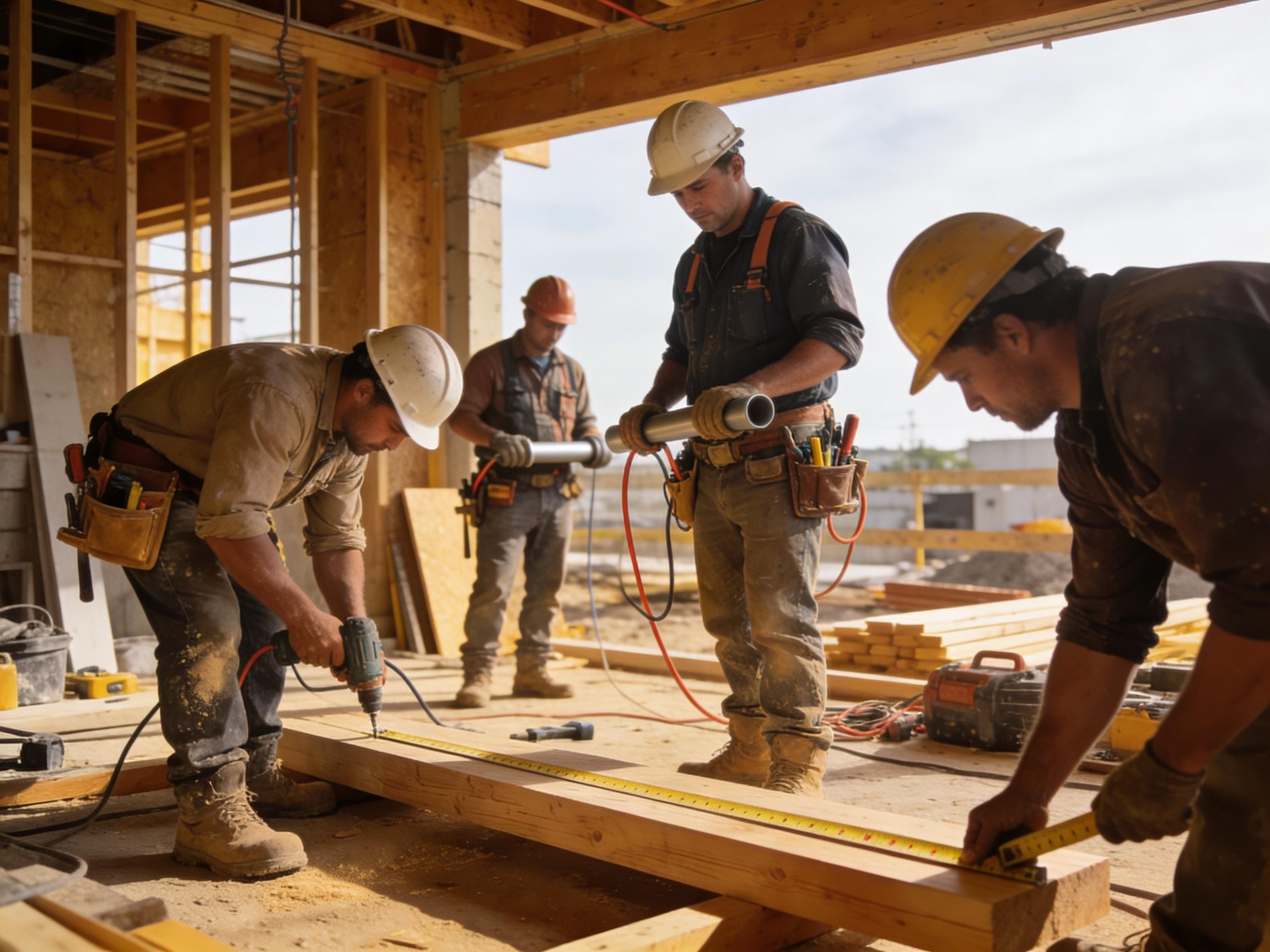
What is a Trade Certification?
A trade certification is an industry-recognized credential that verifies you’ve mastered specific skills needed for a hands-on job. Unlike a degree, these certifications are streamlined, competency-focused, and often come with practical assessments or proctored exams. Many are stackable, meaning you can earn one, get hired, and keep adding credentials to level up your pay and responsibilities.
Trade certifications typically fall into three buckets:
- Industry certifications (e.g., OSHA 10 for construction safety, EPA 608 for HVAC refrigerants) that signal immediate job-readiness.
- State or municipal licensing prep that helps you qualify for a local license exam in fields such as electrical, plumbing, or home inspection.
- Career certificates from schools that provide structured, project-based training and often include employer connections.
Many of these programs are available online or in hybrid formats with optional or required hands-on components. Exams may be remotely proctored, and some programs include simulations or mailed toolkits for practice.
What Careers You Can Get in the Trades
You don’t need a four-year degree to enter a high-demand, well-paying skilled trade. Employers in every US region need trained people right now. Popular paths include:
- HVAC Technician – Work with heating, cooling, and refrigeration systems. Foundational online study plus the EPA 608 credential can get you hired as a helper or trainee quickly.
- Electrical Technician/Apprentice – Learn basic code, safety, and wiring theory online, then step into a paid apprenticeship where you advance on the job.
- Appliance Repair Technician – Diagnose and fix washers, dryers, refrigerators, and more. Strong demand from property managers and service companies.
- Solar PV Installer – Install and maintain residential and commercial solar systems. An online NABCEP PV Associate prep course can fast-track your first job.
- Home Inspector – Complete online pre-licensing education (varies by state) and start inspecting residential properties for buyers and sellers.
- Facilities Maintenance Tech – Broad skillset covering electrical, HVAC, plumbing, and carpentry basics for commercial and multifamily buildings.
- Construction Safety & Equipment – OSHA 10/30 safety, forklift, aerial lift, and flagger certifications that open doors on job sites.
These roles often start with online theory and safety, then move you into paid, real-world experience. Many employers are willing to hire entry-level candidates who show initiative, reliability, and current certifications.
Fast-track programs you can finish in as little as 6 weeks
If you can dedicate 8–12 hours per week, many online certifications can be completed in 2–6 weeks. Some—like OSHA 10—can be finished in a single weekend. Others, such as home inspection or solar PV associate prep, can be wrapped up within a month or two, depending on your pace and state rules. For a sense of short-form learning options and timelines, browse accelerated terms in higher ed via this roundup of colleges offering six‑week online courses and explore in-demand short programs highlighted by Indeed’s overview of 3‑ and 6‑month certificates that pay well.
Below are sample fast-track, US-focused options frequently completed in six weeks or less, depending on your schedule. Pricing is commonly advertised and subject to change—always verify with the provider.
| Program | Provider | Typical Price (USD) |
|---|---|---|
| OSHA 10-Hour Construction (Online) | 360training | $89 |
| Forklift Operator Certification (Online Theory) | CertifyMe.net | $59.95 |
| EPA 608 (HVAC) Exam Prep + Proctored Exam | ESCO Institute | $125–$175 |
| Home Inspector Certification Course (Online) | ICA School | $695 |
| Solar PV Associate Exam Prep (NABCEP) | Solar Energy International (SEI) | $995 |
| Appliance Repair Core Training (Online) | Master Samurai Tech | $695 |
| OSHA 30-Hour Construction (Online) | ClickSafety | $189–$199 |
Tip: Many self-paced programs advertise 3–6 months, but motivated learners often finish the core coursework in under six weeks. Employers care that you can show up safe, pass basic assessments, and demonstrate problem-solving—short, skills-first certificates help you do that quickly.
Where to Find Online 6‑Week Trade Programs
Curate your shortlist from credible, US-focused providers and directories:
- Trade schools and academies – For appliance repair specifically, see the Appliance Repair Certification Training Program at Nashville Trade School, which outlines certification tracks and job outcomes.
- Accelerated college sessions – Use this directory of colleges offering 6‑week online courses to find short, credit-bearing terms that can stack toward a degree later if you choose.
- Career schools with online certificates – Browse flexible, self-paced options at U.S. Career Institute’s online certificate programs, covering healthcare, business, and skilled trades essentials.
- Employer-aligned training and job tools – Explore The Home Depot’s Path to Pro for free how‑to content, scholarships, and a network that helps connect new tradespeople with hiring contractors.
- Market insights – Get perspective on quick credentials that pay well from Indeed’s roundup of 3‑ and 6‑month programs so you can prioritize certificates with strong ROI.
When comparing programs, look for transparent syllabi, proctoring details, clear refund policies, and active instructor support or discussion forums.
How to choose the right fast-track trade credential
Use these criteria to make a confident, US‑market-aligned decision:
- Job alignment – Scan local job boards for entry-level postings in your area (or Columbus) and note the exact certs employers request (e.g., OSHA 10, EPA 608, forklift).
- State requirements – For licensed roles (electric, plumbing, home inspection), confirm your state’s education and exam rules before you enroll.
- Verified assessment – Favor programs with proctored exams, graded projects, or practice labs. Employers value proof you can do the work safely and correctly.
- Support and placement – Student mentors, resume help, and employer networks can shave weeks off your job search.
- Total cost of readiness – Add up tuition, exam fees, tools, and any state license costs. A low course price isn’t a deal if the exam or proctoring doubles your spend.
Funding tips and next steps
Even short programs can be easier to start with help:
- Employer reimbursement – Many contractors will reimburse OSHA, EPA 608, or equipment certifications once you’re hired—ask during the interview.
- Scholarships and tools – Apply for support through initiatives like Path to Pro. Some programs include tool discounts or loaner kits.
- Military and workforce funds – Check if your local workforce board, union hall, or veterans’ office sponsors short-term credentials tied to immediate openings.
Then, sequence your launch:
- Week 1 – Enroll, map your schedule, and complete core safety modules.
- Week 2–3 – Finish lectures, quizzes, and hands-on practice (simulations or at-home labs).
- Week 4 – Sit for the proctored exam; gather digital badges and certificates.
- Week 5–6 – Apply to entry-level roles, highlight your fresh credential, and ask about paid apprenticeships or on-the-job training ladders.
Bottom line: You can skip the degree, earn an online trade certification in weeks, and step into a stable, essential career with clear pathways to higher pay. Start with one fast credential that employers in your area respect, get hired, and keep stacking skills as you grow.