Used cars are hitting prices not seen in years. Smart shoppers are scooping up reliable rides for less. Want to know exactly where the steepest bargains hide and how to get one delivered to your door?
Why prices are so low—and why it matters
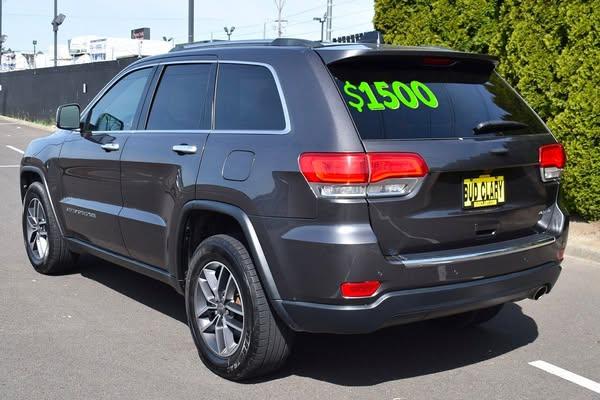
After years of tight supply, many markets are seeing more inventory, stabilized interest rates, and motivated sellers. That combination pushes prices down, especially on higher-mileage and older models. If you’ve been waiting to buy, the current window is delivering rare opportunities—whether you want a $1,500 commuter, a sub-$5,000 teen car, or a certified delivery-to-door purchase.
Where to get a used car for cheap
Finding the steepest discounts is about matching your budget with the right marketplace. Start with broad, reputable platforms to benchmark pricing, then drill into niche sources that trade in true bargains.
- Nationwide search portals: Compare thousands of listings quickly to learn fair prices. Useful hubs include Autotrader, Cars.com, and research-first resources like Edmunds for pricing trends and expert reviews.
- Ultra-cheap filters: If your goal is rock-bottom pricing, jump straight to focused pages such as CARFAX Used Cars Under $1,000 to see true “beater” deals that move fast.
- Rental fleet outlets: These can be surprisingly competitive with transparent reconditioning. For lower miles at value pricing, check Hertz Car Sales low-mileage inventory.
- Local public auctions and charity sales: Public auctions, city surplus events, and charity auctions often sell “as-is” vehicles well below retail. Expect cosmetic wear and plan for a post-purchase check-up.
- Private-party marketplaces: Facebook Marketplace and Craigslist in Columbus often host the very lowest prices. Move quickly, meet in a safe public spot, and bring a basic inspection checklist.
How to get a used car for under $1,500
It’s absolutely possible—if you focus on the right sources and act decisively.
- Hunt where sub-$1,500 rides actually exist: Public auctions, impound sales, city surplus, charity auctions, and private sellers are your best bet. Traditional dealers rarely retail cars this cheap.
- Be flexible on age and mileage: Expect 15–25 years old, 150k–250k miles, cosmetic issues, and some immediate maintenance needs like tires, fluids, or a battery.
- Bring cash and move fast: Cheap, running cars sell in hours. Have funds ready, a ride to pick up the car, and basic tools for a test drive.
- Prioritize engines and transmissions: A clean idle, smooth shifts, and no overheating are more important than dents or faded paint.
- Check comps before you go: Scan Autotrader, Cars.com, and Edmunds to ensure the asking price is truly a deal.
- Know when to walk: If it overheats, misfires badly, or shows serious rust/structural damage, keep your money. Another deal will pop up.
Illustrative budget listings and price points
Examples below are illustrative, based on typical public-auction and private-party outcomes observed in recent years. Local availability varies and all prices are subject to change.
| Seller / Location | Example Vehicle | Sample Price (USD) |
|---|---|---|
| CARFAX Under $1,000 — Chicago, IL | 2002 Ford Taurus SE (high miles) | $980 |
| Goodwill Auto Auction — Cincinnati, OH | 2007 Kia Spectra (as-is) | $1,200 |
| Capital Auto Auction — Philadelphia, PA | 2006 Hyundai Elantra (as-is) | $800 (winning bid) |
| Facebook Marketplace — Columbus | 2004 Honda Civic (runs, needs tires) | $1,500 |
| Craigslist — Columbus | 2003 Toyota Camry (cosmetic wear) | $1,400 |
| GovDeals — Dallas, TX | 2008 Ford Crown Victoria (fleet) | $1,350 (winning bid) |
| Police Impound Auction — Phoenix, AZ | 2005 Chevrolet Impala | $1,100 |
| Copart (salvage) — Orlando, FL | 2010 Nissan Versa (salvage title) | $900 (winning bid) |
Note: Salvage or “as-is” vehicles often require towing, repairs, and additional title steps before registration. Always verify title status and fees.
Where to buy a used car online and have it delivered to your doorstep
You no longer have to set foot in a showroom to score a deal or arrange delivery.
- Dealer delivery via marketplaces: Many listings on Autotrader and Cars.com now show “home delivery” or “at-home test drive” badges. Filter for these options and compare delivery fees.
- Rental-fleet retailers: Retailers like Hertz Car Sales frequently support delivery or dealer transfers in select areas. Low-mileage units can still be competitively priced during sales events.
- Third-party transport: If a local seller won’t deliver, consider hiring an auto transport service. Ask for an enclosed vs. open-carrier quote, confirm insurance, and photograph the car before pickup and at drop-off.
- Remote paperwork: Many dealers can complete e-contracts, e-signatures, and DMV filings remotely. Request an itemized out-the-door quote that includes delivery, taxes, and doc fees.
Inspection and paperwork checklist (don’t skip this)
- Title status: Ensure it’s clean, or understand “salvage/rebuilt” implications for insurance and registration.
- VIN history: Review accident, flood, and odometer records. Ask the seller for a recent report or run your own.
- Cold start test: Start the car after it’s been sitting. Listen for knocks, ticking, or belt squeals.
- Transmission health: Automatic should shift smoothly; manual should engage all gears without grinding.
- Cooling system: Confirm stable temperature during a 15–20 minute drive.
- Brakes and tires: No pulsing, no deep cracks, and adequate tread.
- Electricals: Windows, locks, lights, turn signals, and A/C should all function.
- Fees and forms: Get a signed bill of sale, emissions/smog certificate (where required), and an out-the-door price breakdown.
Budget beyond the sticker price
A bargain stays a bargain only if you plan the “true” cost.
- Immediate fixes: Set aside $200–$600 for fluids, filters, wipers, bulbs, and a basic scan/inspection.
- Registration and taxes: These can add hundreds, depending on your state and purchase price.
- Insurance: Call for quotes with the VIN before you buy; older cars can still be costly if coverage is broad.
- Roadside safety: Budget for a spare, jack, jumper pack, and a basic toolkit—especially for sub-$1,500 cars.
Negotiation shortcuts that work
- Arrive informed: Bring printouts or screenshots of comparable listings from Edmunds, Autotrader, and Cars.com.
- Lead with specifics: Quote concrete differences: mileage, options, number of owners, and verified repairs.
- Be ready to walk: The best leverage is your willingness to find another car—especially in today’s buyer-friendly market.
- Package problems: List visible issues (tires, cracked windshield, fading paint) and request a single price adjustment that covers all.
Fast-track plan: 48 hours to a deal
- Hour 1–2: Define budget, preferred body style, must-have safety features, and delivery needs.
- Hour 3–6: Scan CARFAX Under $1,000 for true beaters; compare with Autotrader and Cars.com. Save 8–12 finalists.
- Hour 7–10: Call sellers, confirm availability, request VIN, and ask about delivery or shipping options.
- Day 2 morning: Inspect top 2–3 picks or have a mobile mechanic evaluate them.
- Day 2 afternoon: Negotiate, lock the out-the-door price, and finalize delivery or pickup.
Trusted shopping links
- Cheap Used Cars Under $1000 for Sale Near Me (CARFAX)
- Used Cars for Sale (Autotrader)
- Get the Best Deals on Used Cars For Sale Near Me (Edmunds)
- Low Mileage Used Cars Near You (Hertz Car Sales)
- Used Cars for Sale Online Near Me (Cars.com)
Whether you’re chasing a sub-$1,500 commuter or a delivered-to-your-door bargain, today’s market is stacked in your favor. Act quickly, verify the car’s core health, and lock in your savings while used car prices remain at all-time lows.