Unlock the path to a healthier life with effective dietary strategies for managing fatty liver disease. Discover how simple changes can make a significant impact on your liver health and overall well-being. Embrace the knowledge necessary to protect your liver today.
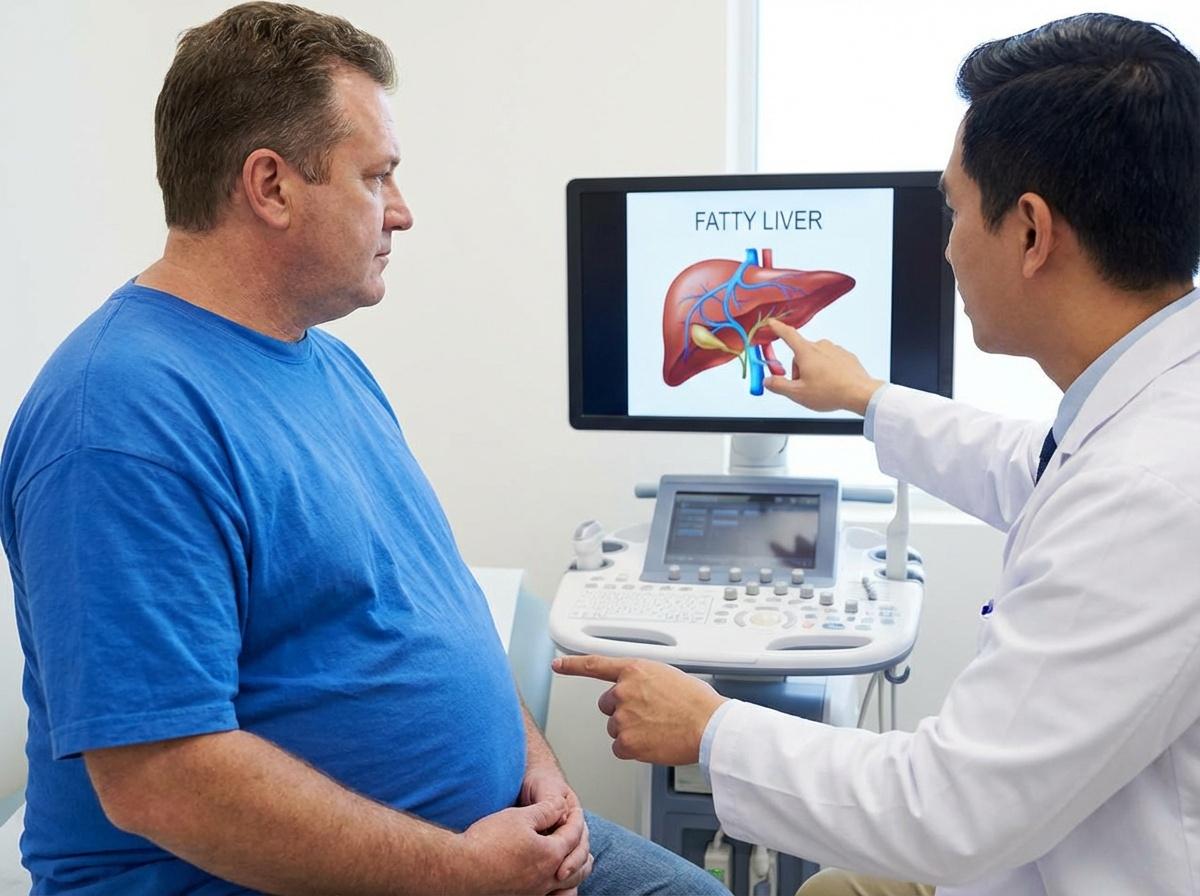
Comprehending Fatty Liver Disease: Types and Effects
Fatty liver disease, also known as hepatic steatosis, is a condition that results when excess fat builds up in the liver. There are two main types: alcohol-related fatty liver disease (AFLD) and non-alcoholic fatty liver disease (NAFLD). Understanding these types and their effects is crucial for effective management and prevention.
Alcohol-related fatty liver disease occurs due to excessive alcohol consumption, whereas NAFLD is linked to obesity, insulin resistance, and metabolic syndrome. Both conditions can lead to liver inflammation, damage, and potentially progress to more severe health issues like cirrhosis or liver failure. To safeguard your liver, it's essential to address these underlining causes through lifestyle modifications and diet.Learn more about fatty liver disease here.
Alcohol: Moderation is Key, But a Glass of Red Wine May Help
Moderation is critical when it comes to alcohol consumption for those with fatty liver disease. For AFLD patients, reducing alcohol intake is imperative. For NAFLD patients, while completely abstaining from alcohol can be beneficial, moderate consumption, particularly of red wine, might offer some health benefits.
Red wine contains antioxidants like resveratrol, which can improve heart health and reduce liver inflammation. However, it's important to limit intake to one glass a day to avoid exacerbating the condition.
Reduce Sugar to Prevent Fatty Liver and Diabetes
Excess sugar consumption is a significant contributor to NAFLD and is often linked with the development of Type 2 diabetes. Reducing sugar intake is vital for liver health as it decreases insulin resistance and overall fat accumulation in the liver.
Limiting foods and drinks high in added sugars, such as sodas, candy, and baked goods, can aid in reducing liver fat and improve overall metabolic health. Instead, focusing on natural sugars found in fresh fruits, which offer nutrients and fiber, can support liver health.
Avoid Refined Grains to Support Digestion and Liver Health
Refined grains, such as white bread and white rice, undergo processing that removes much of their nutritional content. These foods can spike blood sugar levels and contribute to insulin resistance, a risk factor for NAFLD.
Opt for whole grains like brown rice, quinoa, and oats to support digestion and maintain stable blood sugar levels. Whole grains provide fiber, which aids in digestion and helps prevent the accumulation of fat in the liver.Find out more here about diet and liver health.
Crafting a Balanced Diet for Liver Health
A balanced diet for liver health should be rich in fruits, vegetables, lean proteins, and healthy fats. These foods provide essential nutrients and antioxidants that can support liver function and reduce inflammation.
- Fruits and Vegetables: These are packed with vitamins, minerals, and antioxidants that can help repair liver cells.
- Lean Proteins: Opt for sources like fish, chicken, and plant-based proteins such as beans and lentils to maintain muscle mass without adding excess fat.
- Healthy Fats: Incorporate omega-3-rich foods like salmon, walnuts, and flaxseeds that help reduce liver inflammation.
To help you visualize the cost and availability of liver-friendly food options, consider the following table:
| Food Item | Average Price | Availability |
|---|---|---|
| Salmon (per lb) | $12.99 | Nationwide |
| Quinoa (per lb) | $4.99 | Supermarkets |
| Walnuts (per lb) | $8.99 | Nationwide |
| Leafy Greens (per lb) | $3.50 | Local Markets |
| Chickpeas (canned) | $1.29 | Supermarkets |
In conclusion, managing and preventing fatty liver disease requires a combination of dietary changes and lifestyle adjustments. By understanding the types and effects of fatty liver disease, moderating alcohol intake, reducing sugar, avoiding refined grains, and embracing a balanced diet, you can protect your liver and improve your overall health.Explore more liver-friendly diet tips here.