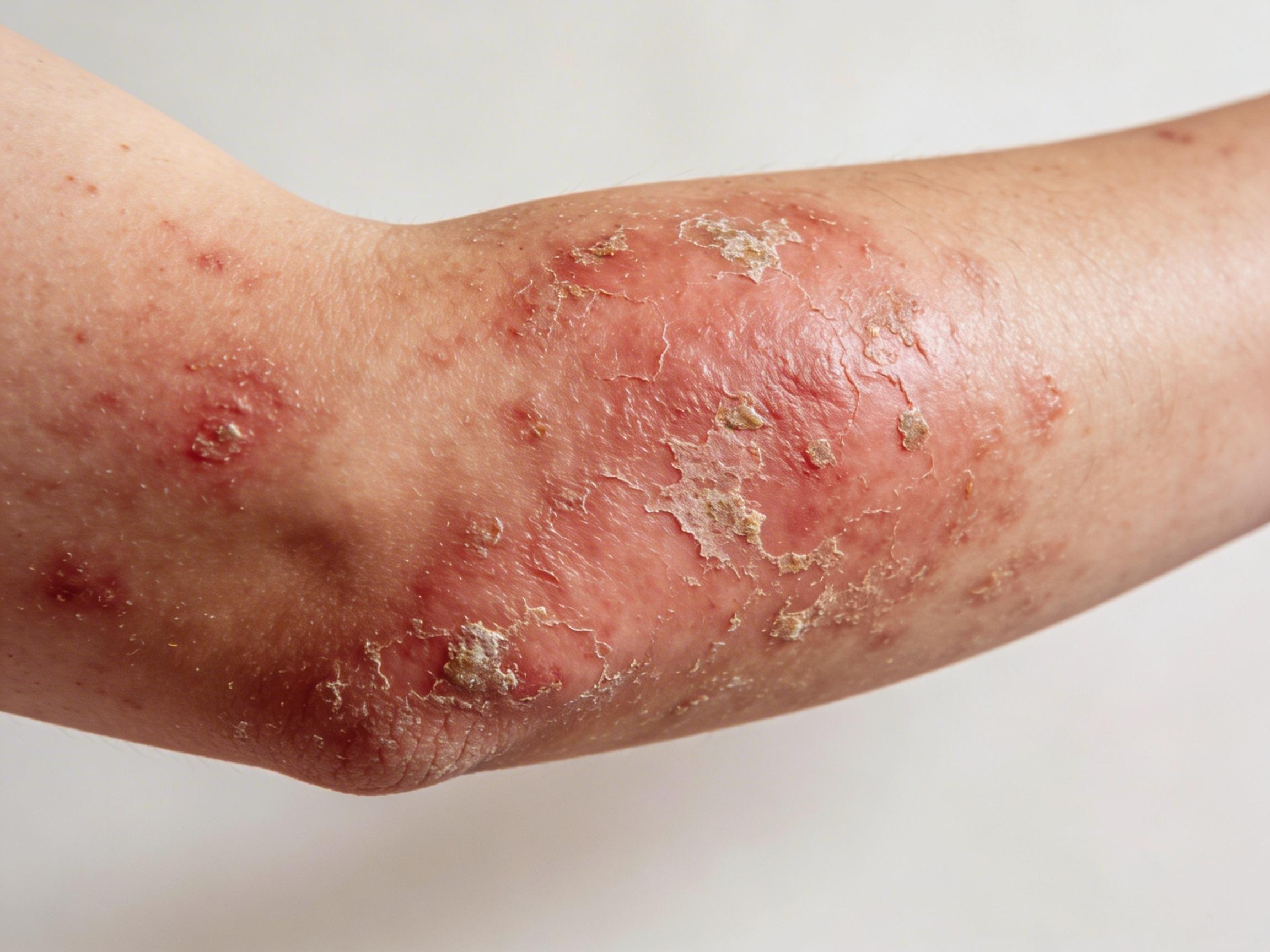
Nasal polyps can significantly interfere with your quality of life. These noncancerous, teardrop-shaped growths develop in the lining of your nasal passages and can cause congestion, runny nose, and even loss of smell. Understanding the causes and treatment options for nasal polyps can help you manage this condition effectively.
What Are Nasal Polyps?
Nasal polyps are soft, painless growths that occur in the lining of your nasal passages or sinuses. These polyps are often associated with chronic inflammation due to asthma, recurring infection, allergies, drug sensitivity, or certain immune disorders. For a deeper understanding, the Cleveland Clinic provides a comprehensive overview.
What Are the Symptoms of Nasal Polyps?
While small nasal polyps may not cause symptoms, larger growths or a group of polyps can block your nasal passages. Symptoms can include:
- Persistent stuffiness: Lasting congestion not alleviated by usual allergy treatments.
- Runny nose: Frequent nasal drainage or postnasal drip.
- Reduced sense of smell: Difficulty detecting odors.
- Facial pain or headache: Pressure or discomfort around the nose and sinuses.
- Snoring: Due to blocked nasal passages.
For more insight on symptoms, check out the Johns Hopkins resource.
Which Home Remedies Can Ease Nasal Polyp Symptoms?
Although home remedies cannot remove nasal polyps, they can ease symptoms:
- Saline nasal rinse: Aids in opening airways and washing away allergens or irritants.
- Steam inhalation: Helps reduce congestion and nasal pressure.
- Humidifiers: Adding moisture to the air can soothe nasal passages.
- Allergy-proofing your environment: Reduces exposure to allergens.
Explore more home treatment options at HealthPartners.
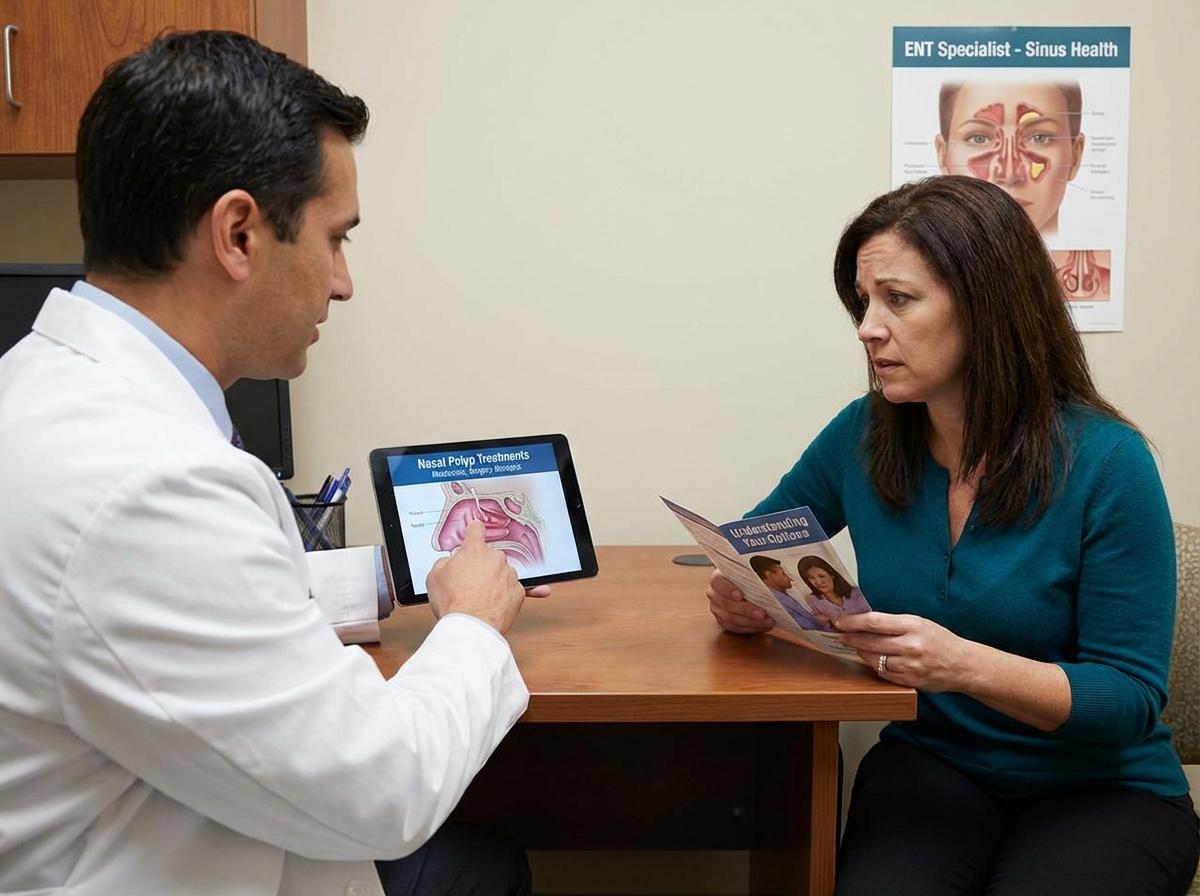
Which Nasal Polyp Treatments Can Your Doctor Prescribe?
A range of medical interventions are available, depending on the severity of your condition and underlying causes. To explore your options, see the complete guide on diagnosis and treatment at Mayo Clinic.
Steroids for Nasal Polyps
Corticosteroids are the first line of treatment, as they can help reduce inflammation and polyp size. These can be delivered via:
- Nasal sprays: Such as fluticasone and budesonide are often prescribed to ease inflammation directly in the nasal passages.
- Oral steroids: Used for more severe cases but generally recommended for short durations due to potential side effects.
Biologics for Nasal Polyps
Biologics are newer treatment options that target the immune system to reduce inflammation. Medications like dupilumab have shown promise in shrinking nasal polyps and improving symptoms. Details about these treatments can be found at Sinuva's site.
Surgery for Nasal Polyps
When medication isn't enough, surgery may be considered. Procedures such as endoscopic sinus surgery can help remove polyps and correct sinus issues. This minimally invasive surgery aims to clear the sinus openings and remove nasal polyps effectively.
Nasal Polyp Treatment Options
| Treatment Option | Estimated Cost | Details |
|---|---|---|
| Nasal Corticosteroid Spray | $10 - $50 | Available over the counter and by prescription |
| Oral Steroids | $20 - $80 | Typically prescribed for a short course |
| Biologics | $200 - $3,000 | Cost varies based on insurance coverage and dosage |
| Endoscopic Sinus Surgery | $6,000 - $12,000 | Usually an outpatient procedure |
| Dupilumab Injection | $3,000 - $5,000 | Administered via injection |
Understanding the wide array of treatment options can aid in selecting the most effective approach. Consult with your healthcare provider to determine the best strategy for your individual needs, ensuring that relief from nasal polyps is within reach.