Openings are available now across the US. Explore Diabetes Clinical Trial Openings Near You! Earn compensation while advancing treatments for type 1 and type 2 diabetes.
What Diabetes Clinical Trials Are and Who Qualifies
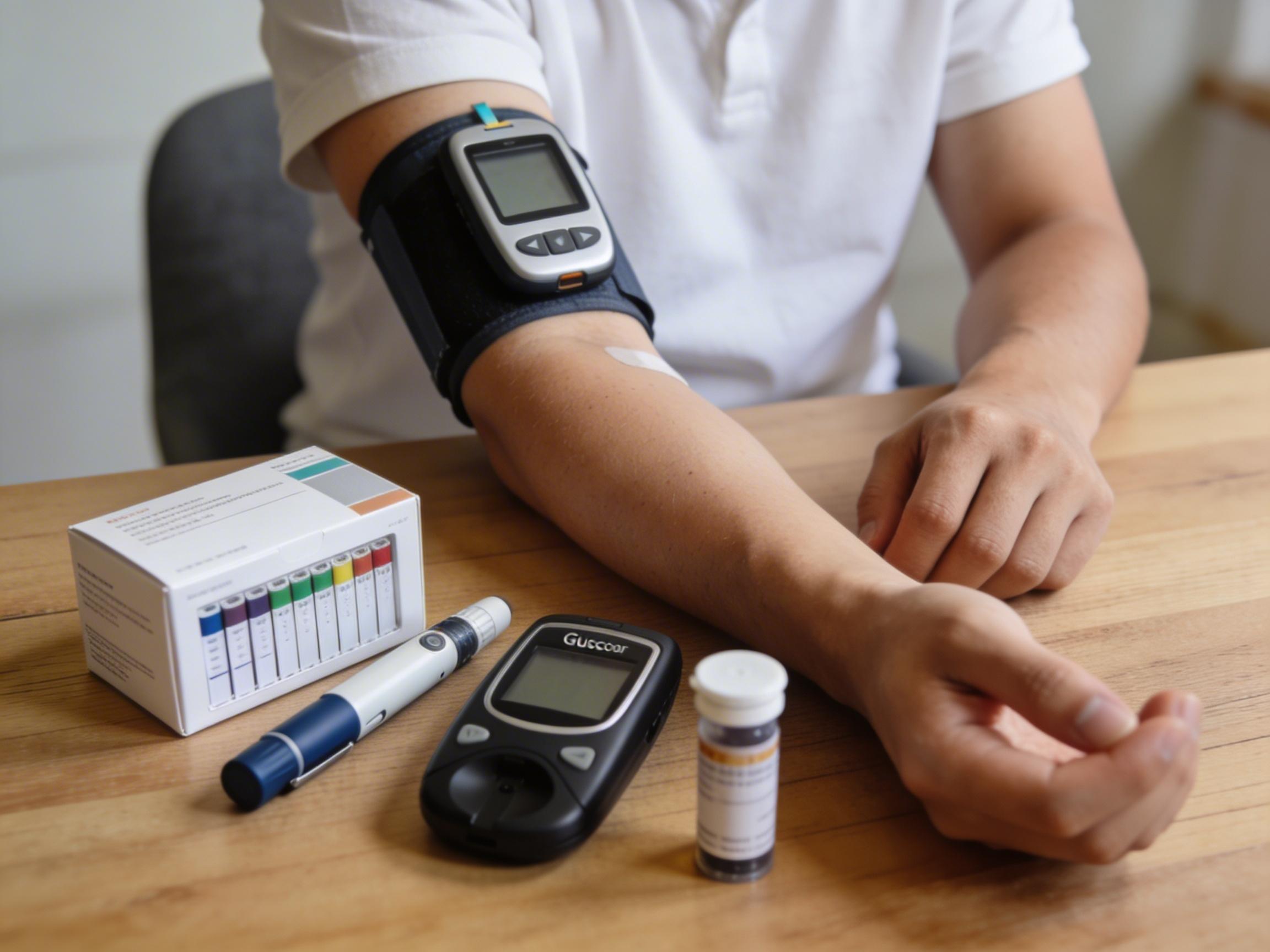
Diabetes clinical trials evaluate new therapies, devices, digital tools, and care strategies for type 1 diabetes (T1D), type 2 diabetes (T2D), and prediabetes. Studies may test continuous glucose monitors (CGMs), pumps, smart insulin, GLP-1s, SGLT2s, closed-loop systems, or lifestyle programs. You might qualify if you have a confirmed diabetes diagnosis, meet age and A1C criteria, and are willing to attend scheduled visits or complete remote check-ins. Healthy volunteers are sometimes needed as comparison groups.
- Common eligibility factors: Diagnosis (T1D, T2D, prediabetes), age, current medications, A1C range, and medical history.
- Commitment: Time for clinic visits, labs, device wear, questionnaires, or telehealth check-ins.
- Location: Many studies recruit near academic medical centers; others offer hybrid or fully remote options.
Why participate in a diabetes clinical trial
People join trials for a mix of personal and community reasons. You may gain early access to innovative treatments or technologies, receive close monitoring from a specialized research team, and contribute to breakthroughs that help others with diabetes nationwide. Many studies also include compensation for your time and travel.
- Access to innovation: Try next‑generation medications, devices, or coaching programs not yet widely available.
- Specialist support: Trial participants are typically followed by endocrinology and research nurses with frequent check‑ins.
- Community impact: Your participation helps generate the evidence that shapes future standards of care.
- Compensation: Most protocols include a stipend to recognize your time and out‑of‑pocket commitments.
Get paid if you have diabetes
Yes, many diabetes studies pay participants. Stipends vary by protocol, but compensation commonly includes per‑visit payments, completion bonuses, and reimbursement for transportation or parking. Device trials may also provide the device at no cost during the study period. Payment is usually prorated, so if you decide to stop early, you can still be compensated for completed visits.
- Per‑visit stipends: Often in the $50–$150 range, depending on procedures.
- Completion bonuses: A lump sum at the end for seeing the study through.
- Reimbursements: Mileage, rideshare, parking, meals, or childcare may be covered where allowed.
- Remote options: Some fully remote or hybrid studies provide e‑gift cards or direct deposits.
How much you can make in a diabetes clinical trial
Your total depends on the number of visits, length of the study, procedures (for example, mixed‑meal tolerance tests, inpatient stays, or device wear), and whether there are diary or data submission requirements. Multi‑month device studies can total several hundred to a few thousand dollars, while shorter survey‑based studies may pay smaller amounts. Always review the informed consent for exact amounts before enrolling.
Below is a sample of estimated stipend ranges at well‑known research centers that frequently run diabetes studies. Actual compensation is set by each study and may be higher or lower; confirm details with the site’s study team before you enroll.
Tip: Multi‑visit device studies and inpatient metabolic studies tend to pay more due to time and testing requirements. Quick surveys or one‑visit screenings generally pay less.
Where to find active openings near Columbus
You can search nationally and then narrow to your neighborhood. These resources are frequently updated and can help you compare options, eligibility, and compensation:
- American Diabetes Association: Browse open opportunities and learn how trials work at Clinical Trials.
- Breakthrough T1D (for type 1): Filter T1D trials by location and age at Type 1 Diabetes Clinical Trials.
- Penn State Health: See current institutional studies at Clinical Trials.
- Pennsylvania‑specific paid T1D listings: Explore regional options at Type 1 Diabetes Paid Clinical Trials in Pennsylvania.
- See which centers are active: Job postings can reveal who is running research now; check Diabetes Research Jobs, Employment in Pennsylvania to identify busy sites near you.
If you’re outside Pennsylvania, many academic health systems, VA hospitals, and regional research networks across the US post similar listings.
What to expect during participation
Trials typically start with a phone pre‑screen, followed by an in‑person or virtual screening visit to confirm eligibility. You’ll review an informed consent document that explains procedures, potential risks and benefits, and payment. After enrollment, you’ll complete study visits as scheduled—some as short as 30 minutes, others spanning several hours, especially when glucose clamps or mixed‑meal tolerance tests are involved.
- Study procedures: Vitals, blood draws, A1C, CGM/pump setup, medication dispensing, diaries, or mobile app logging.
- Visit cadence: Ranges from weekly to every few months; remote check‑ins are increasingly common.
- Data privacy: Your information is coded; research teams follow strict privacy and security standards.
- Compensation logistics: Payment may be via prepaid card, direct deposit, check, or gift cards based on the site’s policy.
Safety, consent, and your rights
All legitimate trials in the United States are reviewed by an Institutional Review Board (IRB) for participant safety and ethics. Research teams monitor side effects closely and adjust or stop the study if risks outweigh benefits. Participation is always voluntary—you can withdraw at any time without affecting your usual medical care.
- Informed consent: Read this carefully; it details procedures, risks, alternatives, and compensation.
- Medical oversight: Studies are supervised by physicians and trained coordinators; emergency contacts are provided.
- Care continuity: Keep your primary diabetes clinician informed so your routine care remains coordinated.
Simple steps to get started today
- List your goals: Are you seeking better glucose control, trying a new device, or looking for paid opportunities that fit your schedule?
- Search and compare: Start with national and local directories: ADA Clinical Trials and Breakthrough T1D. If you’re in Pennsylvania, review Penn State Health Clinical Trials and Paid T1D Trials in Pennsylvania.
- Contact coordinators: Ask about total compensation, visit frequency, transportation help, and whether remote options exist near Columbus.
- Confirm eligibility: Have your A1C, medications, and medical history ready for pre‑screening.
- Review consent: Understand risks, benefits, and payment schedule before enrolling.
If you’ve been waiting for a sign to explore Diabetes Clinical Trial Openings Near You, this is it. Whether your priority is accessing innovation, contributing to science, or earning compensation for your time, there are studies enrolling now across the US. Start with the resources above, ask smart questions about pay and commitment, and choose the study that aligns with your health goals and schedule.