Earn money while you work toward a smoke-free life. Legit clinical studies nationwide are actively enrolling adults who smoke. Learn how participants can earn up to $6,000, what to expect, and where to sign up near you.
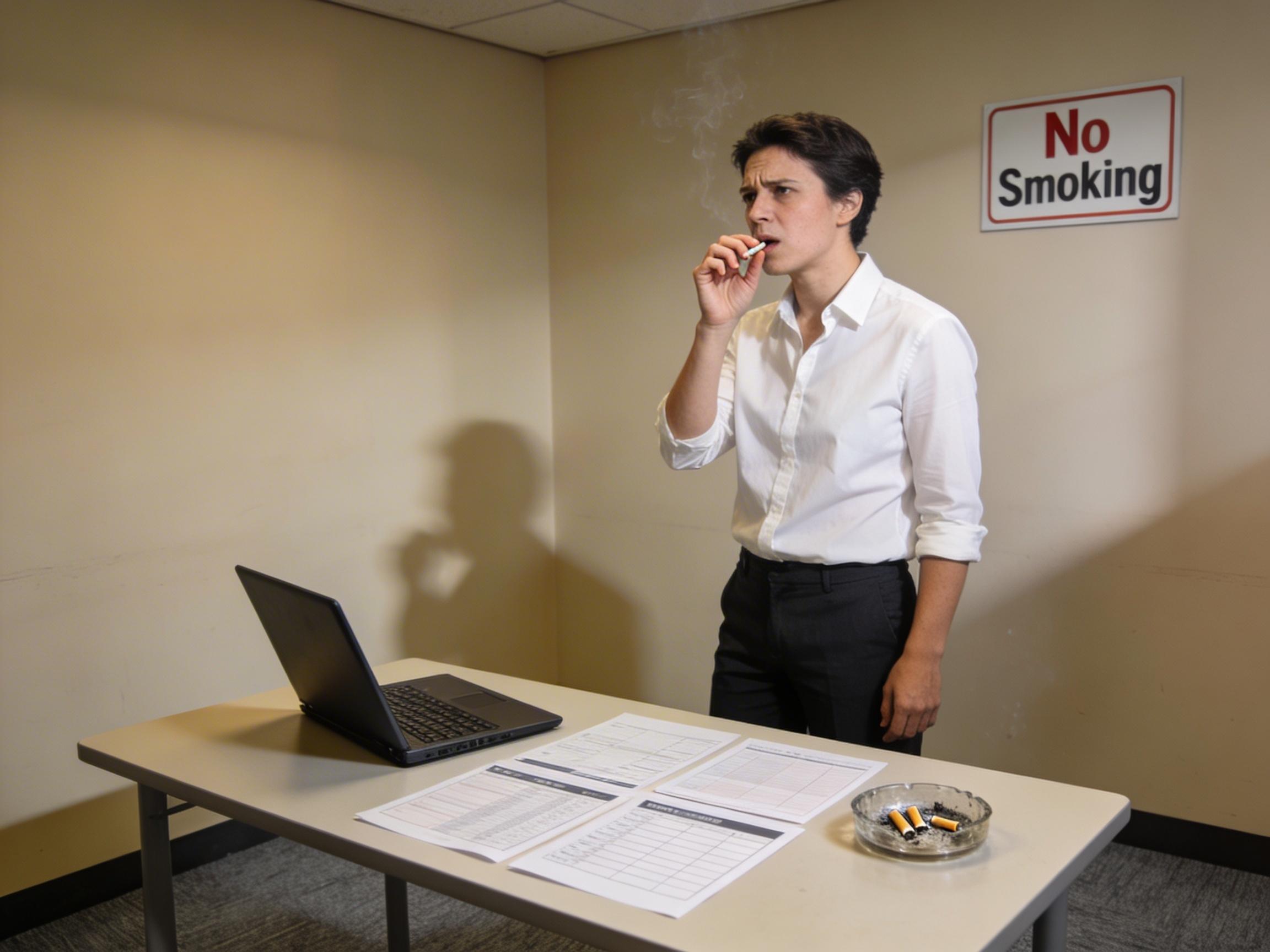
What Are Smoking Clinical Trials?
Smoking clinical trials are research studies that test ways to help people reduce or quit tobacco use, learn how nicotine affects the body, or compare new and existing cessation treatments. These studies are designed and overseen by scientific and ethics committees to protect participants’ rights and safety. Depending on the trial, you might receive medications (such as nicotine replacement therapy or prescription cessation drugs), counseling, mobile-app coaching, or monitoring devices; or you may take part in observational sessions that measure things like cravings, withdrawal, and biomarkers.
Many cessation-focused trials are outpatient, meaning you’ll attend regular clinic visits while living at home. Others are inpatient “early-phase” studies where you stay at a research unit for several days or weeks while clinicians monitor your health and how your body processes treatments or nicotine. In most cases, participation is voluntary, you may leave at any time, and you’ll sign an informed consent form that explains procedures, risks, and compensation.
If you’re brand-new to research participation, a good consumer-friendly starting point is the federal Smokefree program’s page on joining studies: Join a Research Study | Smokefree. It explains what to expect and how to assess whether a study is right for you.
How People Earn Up to $6,000 to Stop Smoking
Compensation in smoking-related clinical trials typically reflects your time, travel, and inconvenience. The total amount depends on the number and length of visits, overnight stays, procedures (like blood draws), adherence to appointments, and whether you complete the study.
Here are common ways participants reach higher payout totals:
- Longer inpatient stays: Early-phase units sometimes compensate several thousand dollars for multi-day or multi-week stays where meals and lodging are provided and your health is closely monitored.
- High-visit outpatient programs: A 12–24 week cessation program with frequent clinic visits, counseling, and testing may add up to $500–$1,500 or more in visit-by-visit payments and completion bonuses.
- Completion and milestone bonuses: Some studies offer extra payments for completing all visits or reaching verified abstinence milestones (e.g., biochemically confirmed smoke-free weeks).
- Travel stipends: Many sites reimburse gas, parking, or public transit in addition to visit payments.
Financial incentives are an established research tool in smoking cessation. For background on how payments can motivate quitting, see this randomized trial entry: Pilot Randomized Control Trial of Financial Incentives for Smoking Cessation.
Important notes:
- Not every study pays thousands: Many community cessation studies pay a few hundred dollars. Four-figure payments are more common in early-phase inpatient research with stricter schedules.
- Taxes: Compensation is typically taxable income. Ask the site whether you’ll receive a 1099 and keep records for tax time.
- Read consent carefully: Payment schedules, prorating if you withdraw early, and any penalties for missed visits will appear in the consent form.
Where to Find Smoking Clinical Trials Near Me
You can locate paid opportunities quickly using a mix of national databases and local research centers:
- National directories: Search smoking-related studies by zip code on the user-friendly PolicyLab directory: PolicyLab smoking clinical trials. You can also browse government-registered studies on ClinicalTrials.gov and filter by “tobacco use disorder,” “smoking cessation,” or related keywords, then narrow by location.
- University programs: Many medical schools run tobacco treatment studies. For example, the Tobacco Treatment Research Program (TTRP) regularly recruits adults who smoke for counseling and medication trials.
- Dedicated research sites: Private research units frequently post smoker-specific trials. Check centers like Clinical Research LA for current openings and pre-screening forms.
- Public health resources: The Smokefree portal lists reputable study links and tips for vetting opportunities: Smokefree: Join a Research Study.
- Local search strategy: Try “paid smoking research Columbus” or “clinical research unit Columbus smokers,” then call screening lines to confirm eligibility and compensation.
Who Qualifies and What to Expect
While exact criteria vary, most smoking studies include:
- Age and smoking level: Adults 18+ who smoke a minimum number of cigarettes per day (for example, 5–10+) and meet a specified pack-year history.
- Verification: Breath carbon monoxide or urine/blood cotinine tests to confirm current smoking and track abstinence milestones.
- Health screening: Medical history, vitals, lab work, and possibly an ECG to ensure safety for medications or study procedures.
- Schedule demands: Outpatient visits weekly or biweekly; or inpatient stays with set wake/sleep times, no outside nicotine, and supervised dosing.
- Supportive care: Access to counseling, quitline referrals, or medications like patches, lozenges, or prescription options, depending on the protocol.
If you prefer a treatment-first approach with research options attached, academic programs such as the Tobacco Treatment Research Program (TTRP) can be a direct path to evidence-based help plus potential stipends.
Sample Compensation Ranges by Site
Below are illustrative ranges frequently seen for U.S. smoking-related research. Actual availability, eligibility, and pay vary by study and time of year; call sites to confirm current figures.
| Organization / Unit | City & State | Typical Compensation |
|---|---|---|
| Clinical Research LA (Smokers Studies) | Los Angeles, CA | $500 – $3,000 depending on protocol |
| Celerion Early Phase Clinic | Phoenix, AZ | $2,000 – $6,000 for longer inpatient stays |
| Altasciences Clinical Research | Overland Park, KS | $1,500 – $5,500, study-dependent |
| Labcorp Drug Development (Early Development) | Madison, WI | $1,000 – $4,000 typical ranges |
| ICON Early Phase Services | San Antonio, TX | $2,000 – $6,000 for intensive protocols |
| Parexel Early Phase Unit | Baltimore, MD | $1,000 – $3,500 for smoker cohorts |
| University Tobacco Treatment Program | Philadelphia, PA | $200 – $1,000 across outpatient studies |
Tip: When you call, ask: “What is the total compensation if I complete every visit? Are there separate travel reimbursements? What happens if I miss a visit?”
Step-by-Step: Enroll and Maximize Your Chances
- Search smart: Start with PolicyLab’s smoking study list, your nearest university medical center, and dedicated sites like Clinical Research LA. Also check Smokefree’s research page for guidance.
- Pre-screen online: Most sites offer a short web or phone questionnaire. Answer honestly about medical history, medications, and cigarette use.
- Prepare documents: Bring ID, medication lists, and contact info. If you vape or use nicotine pouches, disclose that as it can affect eligibility.
- Ask about logistics: Clarify visit frequency, inpatient dates, Wi‑Fi/visitor policies, and whether meals and lodging are covered.
- Plan your quit support: If the study provides counseling and medication, commit to the plan. If not, pair participation with proven tools through your insurer or a program like the TTRP.
Safety, Rights, and Taxes
Ultrasafe oversight is built into legitimate clinical research. Studies are reviewed by Institutional Review Boards (IRBs) to minimize risks and ensure fair compensation. You’ll receive a consent form that explains the study plainly, including potential side effects such as nicotine withdrawal symptoms, sleep changes, nausea, or headaches, depending on the intervention. If anything feels unclear, ask questions—your participation is voluntary and you can withdraw at any time without losing prorated pay for completed parts.
Also remember:
- Medical guidance: Quitting smoking has major health benefits. Talk with your clinician about whether a given study fits your health history.
- Income reporting: Research payments are typically taxable; keep your receipts and ask whether the site issues 1099 forms.
- Data privacy: Your information is protected by confidentiality rules outlined in the consent; ask how your data will be used and stored.
Quick Resource List
- Find consumer guidance: Join a Research Study | Smokefree
- Locate nearby studies: PolicyLab smoking clinical trials
- Understand incentives research: Pilot Randomized Control Trial of Financial Incentives for Smoking Cessation
- Check a dedicated site: Clinical Research LA – Smokers Clinical Trial
- Explore treatment-focused programs: Tobacco Treatment Research Program (TTRP)
Whether you’re aiming for a modest stipend or a high-paying inpatient study, smoking clinical trials can help you quit while compensating your time. Start with the resources above, compare options in your area, and choose the path that best fits your schedule, health, and quit goals.