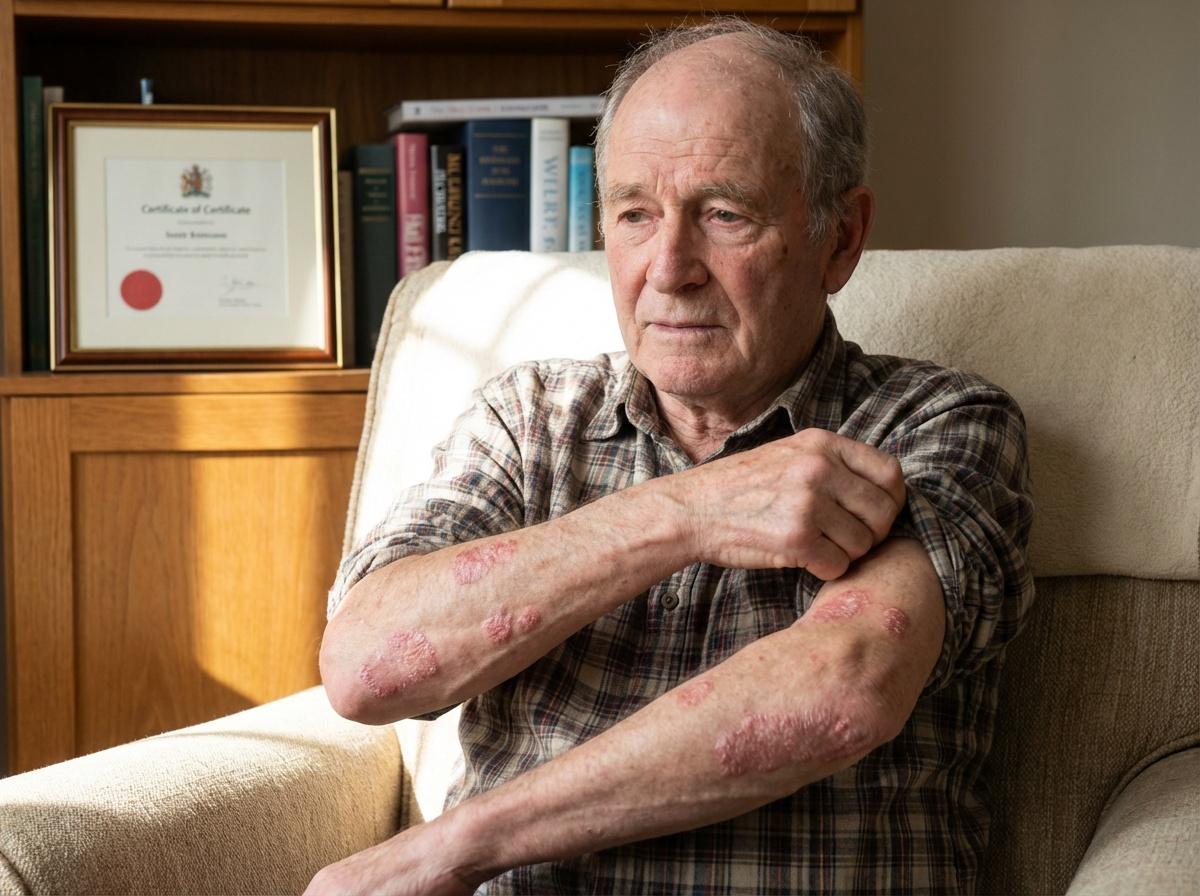
Plaque psoriasis can be a complex and challenging condition that affects millions of seniors across the United States. While symptoms can be distressing, understanding the triggers and exploring affordable care options can help in managing this condition effectively.
Understanding Plaque Psoriasis in Seniors
Plaque psoriasis is a chronic autoimmune condition, resulting in the overproduction of skin cells. This leads to symptoms such as red, inflamed patches covered with silvery scales, often causing discomfort and itchiness. In seniors, these symptoms might be exacerbated by age-related factors such as thinner skin and diminished immune response.
Common Symptoms and Triggers
Senior adults may observe common symptoms such as:
- Red patches of skin: Often covered with thick, silvery scales.
- Dry, cracked skin: Which may bleed and cause pain.
- Itchiness and burning: Affecting daily comfort and sleep.
Triggers that may worsen symptoms include stress, infections, skin injuries, and certain medications. For more information about updated understanding and treatment options, consider reading advancements in understanding and treating psoriasis.
Does Psoriasis Worsen with Age?
While psoriasis itself is not solely age-dependent, its severity can potentially increase with age due to factors such as reduced skin elasticity and immune function. Seniors may notice that what once was manageable becomes more persistent and widespread. Health practitioners recommend tailored treatment strategies to tackle this, addressing both physical and emotional aspects.
Recommended Relief for Seniors
Several treatment approaches can provide relief to seniors:
- Topical Treatments: Such as corticosteroids and vitamin D analogs, which reduce inflammation and slow down skin cell growth.
- Phototherapy: Using ultraviolet light to slow cell proliferation.
- Systemic Treatments: These include biologics and oral medication for severe cases.
Doctors also advise lifestyle adjustments, such as maintaining a balanced diet and engaging in gentle physical activity, for better management of symptoms.
Here's how doctors recommend addressing senior psoriasis relief:
Non-prescription psoriasis treatments are also available and might be beneficial.
Affordable Care Options
Affordability is a critical concern for many seniors dealing with plaque psoriasis. While treatment costs can be significant, understanding the options can alleviate financial strain. According to recent reports, less expensive treatment options are available in the market. This includes generics and other FDA-approved options that are equally effective compared to more expensive treatments.
Moreover, strategies such as GoodRx's cost management for biologics can also ease financial burdens significantly.
Price Comparison of Popular Psoriasis Treatments
Here is a comparison of costs for various psoriasis treatments:
| Treatment | Type | Approximate Price (USD) |
|---|---|---|
| Topical Corticosteroids | Topical | $30 - $70 |
| Phototherapy | Light Therapy | $200 per session |
| Biologic Injections | Biologics | $5,000 - $10,000 annually |
| Methotrexate | Systemic | $15 - $50 |
| Vitamin D Analogues | Topical | $150 - $250 |
While managing plaque psoriasis in seniors might seem daunting, understanding symptoms and triggers, alongside exploring diverse treatment options and cost-effective strategies, can offer significant relief and improve quality of life. Being preemptive with care and ongoing monitoring by healthcare professionals is paramount to adapting treatments as needed, ensuring optimal outcomes.