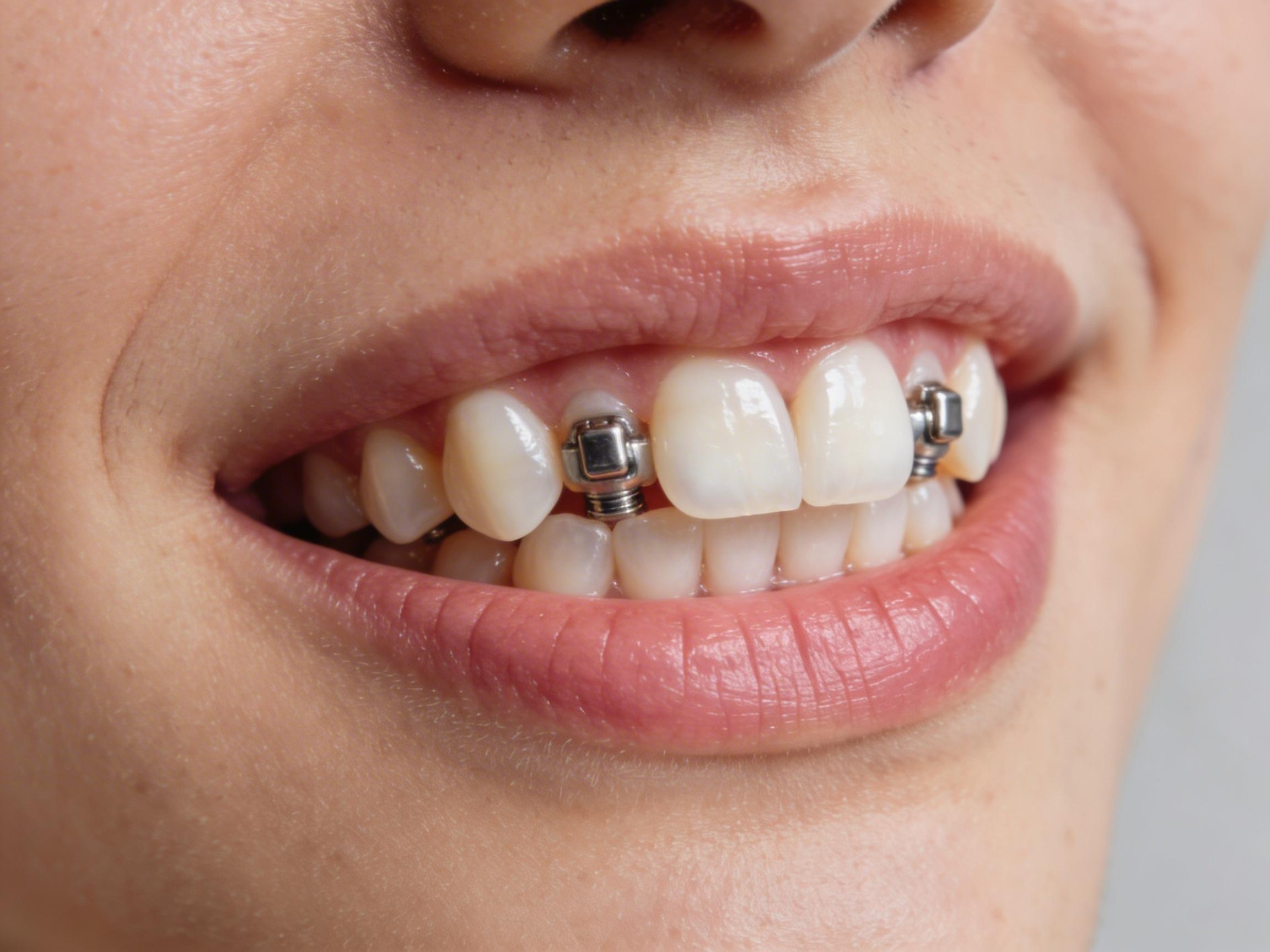
Snoring steals sleep from you and your partner. Learn why it happens, how to fix it, and the best natural remedies you can use at home. Wake up refreshed and quiet.
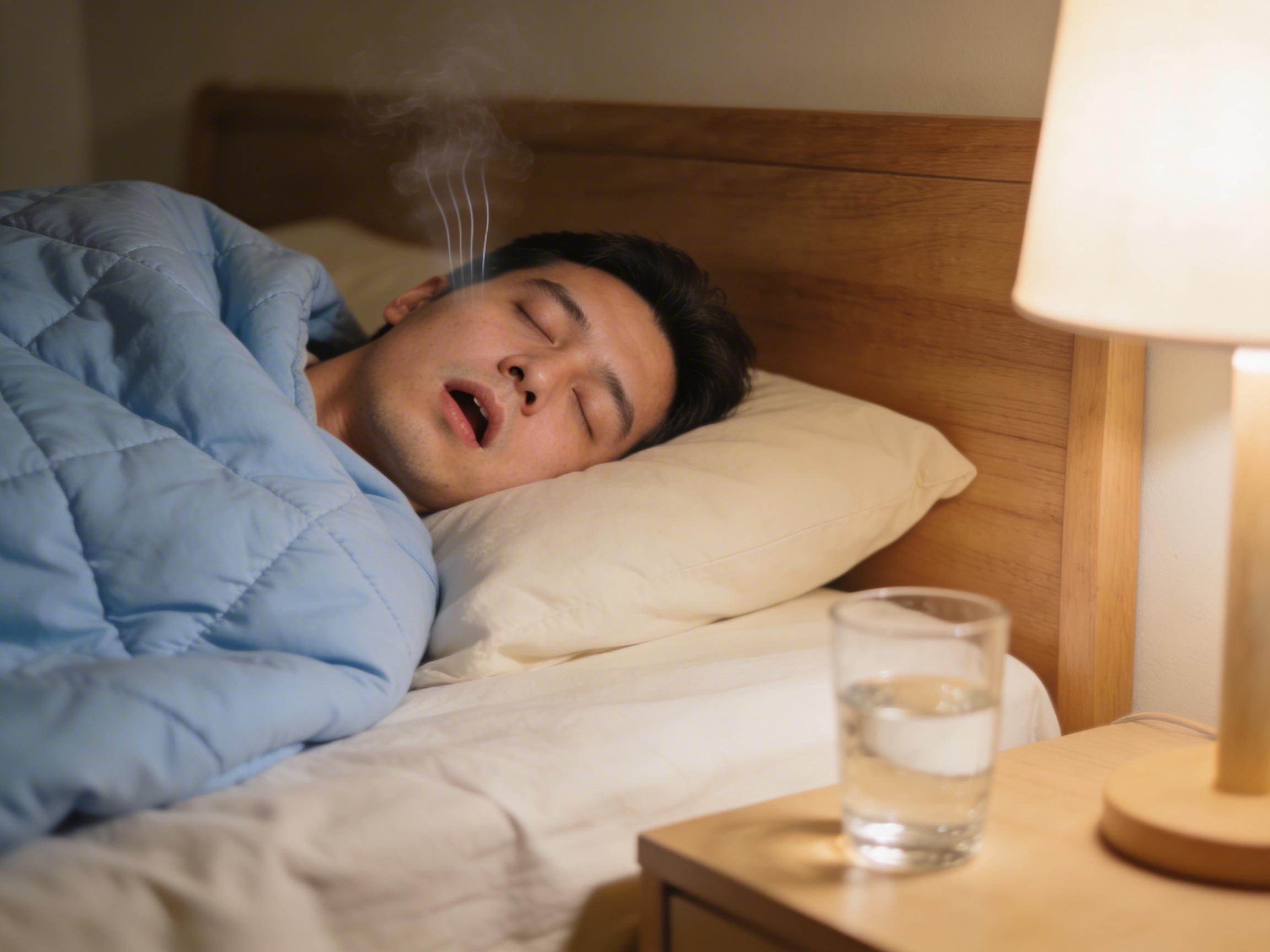
Why Snoring Happens (And Why It Matters)
Snoring is the sound of air vibrating soft tissues in your airway when breathing at night. It typically occurs when the airway narrows due to relaxed throat muscles, nasal congestion, or sleeping flat on your back. Common contributors include excess weight around the neck, alcohol or sedative use before bed, allergies, deviated septum, enlarged tonsils, and aging.
Understanding the “why” helps you choose the right fix. For example, nasal congestion calls for nasal-focused remedies, while tongue-base collapse benefits from throat and tongue exercises. Learn more about causes and natural options at Natural remedies for snoring and causes and see clinical pathways for care at Mayo Clinic: Snoring treatment.
Important: loud snoring with gasping, witnessed pauses in breathing, morning headaches, or excessive daytime sleepiness can signal obstructive sleep apnea (OSA). If these red flags fit you, seek evaluation rather than self-treating only.
How to Fix Snoring: Lifestyle Changes You Can Start Tonight
Small shifts often deliver big, natural improvements. These adjustments are low-cost and backed by sleep experts and user data. Explore detailed tips at Lifestyle changes to stop snoring and practical ideas at Healthline: Remedies that may stop snoring.
- Sleep on your side: Back-sleeping lets the tongue and soft palate fall backward. Use a body pillow, tape a tennis ball to a snug shirt, or try a positional belt to stay off your back.
- Light dinner and no late alcohol: Heavy meals and alcohol relax throat muscles and worsen reflux. Aim to finish dinner 3–4 hours before bed and avoid alcohol within 3 hours of sleep.
- Declutter your nose: Rinse with saline, take a warm shower before bed, and keep your bedroom air clean with a HEPA filter if allergies flare.
- Elevate your head: A wedge pillow or adjustable base can reduce airway collapse and congestion-driven snoring.
- Keep a steady sleep schedule: Consistent bed/wake times reduce overtiredness, which intensifies snoring.
- Manage weight gradually: Even a 5–10% reduction can lower neck tissue pressure on the airway.
- Quit smoking: Smoking inflames upper airways and increases mucus, both of which worsen snoring.
- Treat allergies: Over-the-counter antihistamines or nasal steroids (as advised by a clinician) can ease inflamed nasal passages.
Natural Remedies to Cure Snoring at Home
These at-home tools and techniques target the most common bottlenecks—nose, tongue, and soft palate—so you can sleep quieter without drugs or surgery. For more at-home ideas, see Effective home remedies for snoring and Healthline: Remedies that may stop snoring.
- Nasal strips or dilators: Breathe Right–style strips or internal dilators gently open your nasal valves, improving airflow when stuffiness or narrow nasal passages are the problem.
- Saline rinses and steam: A warm saline rinse (neti pot or squeeze bottle) followed by a steamy shower loosens congestion and reduces mouth-breathing.
- Humidify the bedroom: Dry air irritates tissues and worsens snoring. Aim for 40–50% humidity, especially in winter.
- Oropharyngeal (throat) exercises: Target the tongue, soft palate, and jaw muscles with daily exercises to reduce tissue flutter. See the routine below.
- Positional therapy: If you only snore on your back, use a side-sleeping pillow or positional trainer to keep you lateral all night.
- Mouth taping (caution): Some people use gentle adhesive strips to encourage nasal breathing. Do not use if you have nasal obstruction, OSA, or breathing difficulties; consult a clinician first.
- Limit reflux triggers: Avoid late spicy/fatty meals and elevate the head of the bed to reduce nighttime reflux that can inflame the airway.
Evidence-Backed Throat Exercises You Can Do in 5 Minutes
Strengthening and toning the muscles of your tongue and throat can meaningfully reduce snoring for many adults. Try this mini routine, twice daily:
- Tongue slides: Press your tongue flat against the roof of your mouth; slide it backward and forward for 20 slow reps.
- Tip presses: Place the tongue tip behind your front teeth and press upward for 10 seconds; rest and repeat 5 times.
- Soft-palate lifts: Say “ah-ah-ah” in short bursts while holding the back of your tongue up; 20 repetitions.
- Chewing mimic: With lips closed and tongue on the palate, mimic a wide chewing motion for 1 minute.
- Jaw holds: Close your mouth, move the jaw to the right and hold 10 seconds; to the left and hold 10 seconds; repeat 5 times each side.
Consistency matters—expect 3–6 weeks to notice quieter nights. These exercises pair well with side-sleeping and nasal decongestion.
When to See a Professional (And What They Can Do)
If your snoring is disruptive despite good lifestyle efforts—or you notice choking, breath pauses, severe sleepiness, or high blood pressure—seek an evaluation. Clinicians can screen for OSA, assess nasal/airway anatomy, and discuss therapies such as oral appliances, CPAP, or targeted surgeries when indicated. Explore clinical pathways and treatments at Mayo Clinic: Snoring treatment. For dental approaches that reposition the jaw and tongue, see practical guidance at Effective home remedies for snoring.
Cost Snapshot: Popular Anti-Snoring Options in the US
Sample retail pricing from major U.S. retailers and brand sites (prices vary by store and date; subject to change):
| Product / Brand | Type | Sample Price (USD) |
|---|---|---|
| Breathe Right Original Strips (30 ct) | Nasal strip | $11.99 |
| MUTE Nasal Dilator | Internal nasal dilator | $18.99 |
| SomniFix Mouth Strips (28 ct) | Mouth tape (nasal breathing aid) | $23.99 |
| InteVision Foam Wedge Pillow | Head-of-bed elevation | $39.95 |
| Honeywell Cool Mist Humidifier | Bedroom humidifier | $39.99 |
| ZQuiet Mouthpiece (Starter Pack) | Mandibular advancement device | $79.95 |
| SnoreRx | Adjustable oral appliance | $99.00 |
| Smart Nora | Smart pillow insert (positional) | $359.00 |
A 14-Night Natural Snoring Reset
- Nights 1–3: Switch to side-sleeping with a body pillow; avoid alcohol 3 hours before bed; start saline rinses and run a humidifier.
- Nights 4–7: Add nightly wedge pillow elevation; begin throat exercises twice daily; keep a simple snore log (or a snore-tracking app) to gauge progress.
- Nights 8–10: Trial a nasal strip or internal dilator if you feel stuffy. Tighten your sleep schedule to a consistent 7–9-hour window.
- Nights 11–14: Layer in reflux prevention (earlier dinner, head elevation). If snoring persists mostly on your back, consider a positional trainer.
By the end of two weeks, most people see a noticeable reduction in volume, frequency, or both. If improvement is minimal—or daytime fatigue remains—move to a professional assessment. A clinician can guide next steps, from dental oral appliances to medical therapies, based on your anatomy and symptoms.
Trusted Resources for Deeper Help
- Clinical pathways: Mayo Clinic: Snoring treatment
- Home strategies: Healthline: Remedies that may stop snoring
- Dental sleep options: Effective home remedies for snoring
- Causes and natural fixes: Natural remedies for snoring and causes
- Lifestyle upgrades: Lifestyle changes to stop snoring
Your quietest nights often come from combining “why it happens” insight with layered, natural remedies at home. Start with side-sleeping, clear your nose, practice simple throat exercises, and elevate your head. If snoring remains stubborn—or signs suggest sleep apnea—partner with a professional for a tailored, effective plan.