Atopic dermatitis, commonly referred to as eczema, is a skin condition that can significantly affect a person's quality of life. Characterized by itchy, inflamed skin, atopic dermatitis often disrupts daily activities and sleep. Learn about the causes, symptoms, and treatments to manage this chronic condition effectively.
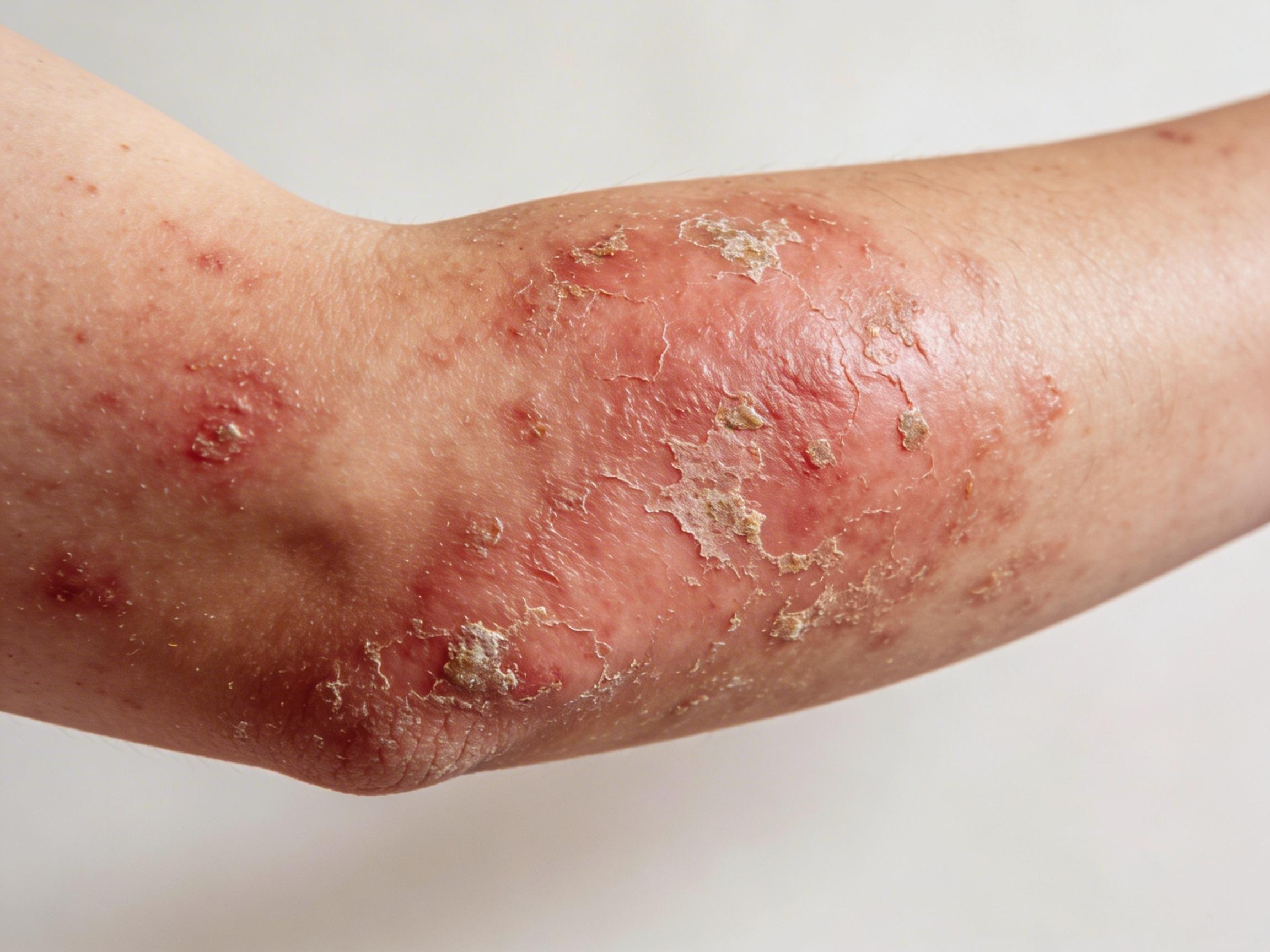
What is Atopic Dermatitis?
Atopic dermatitis is a chronic skin disorder that manifests primarily through red, itchy patches. It is one of the most common forms of eczema and typically begins in childhood, although it can occur at any age. According to the Mayo Clinic, the symptoms might fluctuate over time, with flare-ups occurring periodically.
What Causes Atopic Dermatitis?
While the exact cause of atopic dermatitis is unknown, research suggests a combination of genetic and environmental factors. People with a family history of eczema, allergies, or asthma may have a greater risk of developing atopic dermatitis. The American Academy of Allergy, Asthma & Immunology explains that immune system dysfunction and environmental factors, such as allergens and temperature changes, can exacerbate the condition. For further insight, visit the AAAAI's overview.
Symptoms of Atopic Dermatitis
Atopic dermatitis symptoms vary but often include:
- Dry skin: A persistent dry skin condition despite regular moisturization.
- Itching: Severe itching, particularly at night, leading to sleep disturbances.
- Red to brownish-gray patches: Commonly found on the hands, feet, ankles, wrist, neck, upper chest, eyelids, and in infants, the face and scalp.
- Thickened, cracked, or scaly skin: Often develops after prolonged scratching.
- Raw, sensitive skin: Resulting from scratching and irritation.
Detailed descriptions of symptoms can be found at the ACAAI.
How to Treat Atopic Dermatitis
Though there is no cure for atopic dermatitis, various treatments can help control symptoms. The treatments typically consist of lifestyle changes, medications, and therapies.
- Moisturizers: Regular use of emollients helps retain moisture in the skin, providing a barrier against irritants.
- Topical corticosteroids: These medicines reduce inflammation and itchiness during flare-ups.
- Antihistamines: These can control itchiness, helping improve sleep quality.
- Immunosuppressants: Drugs like cyclosporine can be prescribed for severe cases to dampen immune system activity.
- Therapies: Ultraviolet light therapy is beneficial for some patients.
For more detailed treatment options, refer to the American Academy of Dermatology's guidance on treating atopic dermatitis.
What Dermatologists Recommend for Atopic Dermatitis
Dermatologists often emphasize a comprehensive treatment plan that includes:
- Identifying triggers: Keeping a diary to identify foods, climates, or materials that trigger flare-ups.
- Customized skincare routine: Using hypoallergenic products tailored to sensitive skin.
- Patient education: Understanding the condition and proper application techniques for topical treatments.
- Psychological support: Given the psychological impact, support groups or counseling can be beneficial.
For additional insights, see the NHS guide on atopic eczema.
Sample Pricing for Treatment Options
Below is a table showcasing the cost range for some common treatments for atopic dermatitis in the U.S.
| Treatment | Typical Cost Range (USD) | Location |
|---|---|---|
| Emollient Moisturizers | $10 - $25 | Nationwide Pharmacies |
| Topical Corticosteroids | $30 - $50 | Drug Stores |
| Antihistamines | $15 - $30 | Over-the-Counter |
| Ultraviolet Light Therapy | $100 - $200 per session | Dermatology Clinics |
| Immunosuppressant Medication (e.g., Cyclosporine) | $200 - $500 | Prescription |
By understanding atopic dermatitis, individuals can better manage their symptoms through informed decisions and expert guidance. This empowers those affected to lead more comfortable and confident lives.