Have you ever experienced persistent itching and irritation that won’t go away? You may be surprised to learn that tiny creatures called skin mites could be the culprits. These microscopic parasites can be responsible for rashes, red bumps, and more serious secondary skin infections. Addressing the presence of these mites is key to managing symptoms.
What Are Skin Mites?
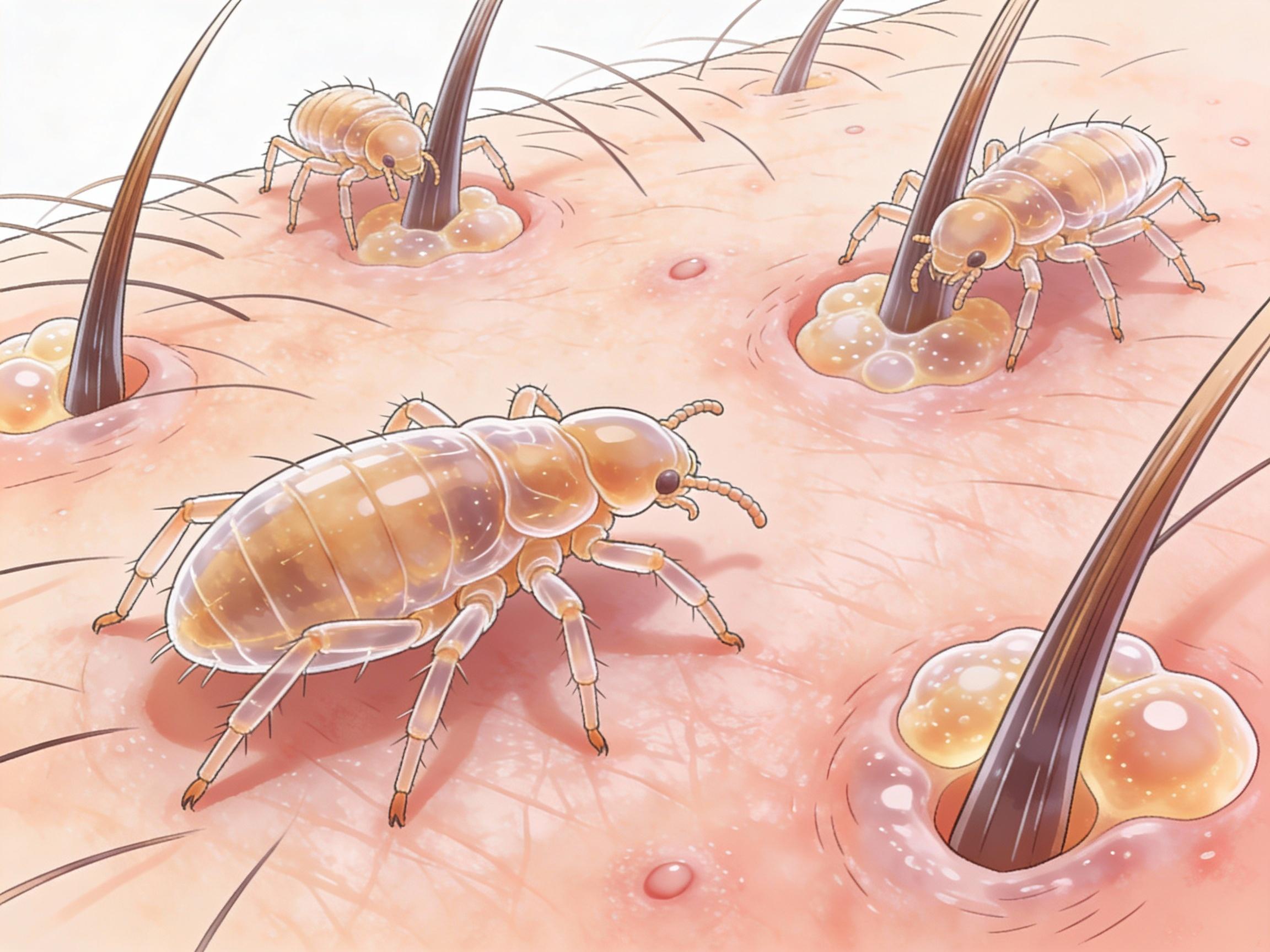
Skin mites, particularly the Demodex species, are microscopic arthropods that live in or near hair follicles of mammals. Humans primarily host two types: Demodex folliculorum and Demodex brevis. These mites are typically harmless but can cause problems in certain cases.
Demodex folliculorum prefers living in clusters on the face, primarily around the nose, forehead, and chin. On the other hand, Demodex brevis inhabits oil glands deeper in the skin, such as those found on the chest and back. Studies suggest that up to 90% of adults may host these mites (source).
For a comprehensive breakdown of Demodex face mites, visit the Cleveland Clinic’s detailed page on treatment and management (source).
Itching and Irritation
One of the primary symptoms associated with skin mites is persistent itching and irritation. This occurs as the mites burrow into the skin and hair follicles. Their presence triggers an immune response, which can lead to inflammation and discomfort.
Regular cleansing and exfoliation can help manage itching by removing excess oil and debris from the skin surface, effectively minimizing conditions favorable to mite proliferation. It's crucial to utilize gentle, dermatologist-recommended products to avoid further aggravation.
Rashes and Red Bumps
Additionally, an infestation of skin mites can cause noticeable skin changes like rashes and small red bumps. These changes often occur in mite-prone areas such as the face, neck, and scalp. Untreated, these manifestations might mimic other dermatological conditions, making diagnosis tricky.
Medical intervention is important to accurately diagnose the cause of rashes and bumps. A healthcare professional might perform a skin scraping to confirm the presence of mites. Depending on the result, treatment could involve topical or oral medications to manage the symptoms.
To better grasp how Demodex mites relate to conditions like rosacea, check out the article on Demodex and Rosacea.
Secondary Skin Infections
If left untreated, skin irritation caused by mites can lead to secondary skin infections. As individuals scratch the affected areas, they may introduce bacteria into the skin, leading to infections that require prompt medical attention.
Signs of a secondary infection could include worsening redness, increased pain, and the presence of pus. Antibiotics may be necessary to combat these infections. Therefore, managing the initial symptoms of demodicosis is crucial to prevent further complications.
Understanding Treatment Options
Available treatment options for demodicosis vary depending on the severity of the symptoms. Here is a table showcasing some common treatments and their average costs:
| Treatment Option | Description | Average Cost (USD) |
|---|---|---|
| Topical Ivermectin | Anti-parasitic cream applied to affected areas. | $30 - $60 per tube |
| Oral Metronidazole | Antibiotic to reduce bacterial infection. | $10 - $30 per course |
| Tea Tree Oil Solutions | Natural remedy applied directly or used in shampoos. | $8 - $20 per bottle |
| Facial Cleansers | Daily cleansers with anti-parasitic properties. | $15 - $40 per bottle |
| Consult Dermatologist | Professional assessment and personalized treatment. | $100 - $250 per visit |
Conclusion
Understanding skin mites and recognizing their symptoms—itching, irritation, rashes, and potential secondary infections—are essential for timely diagnosis and treatment. While these mites are a normal part of the skin ecosystem, they can become problematic under certain conditions. For more information about mites affecting humans, visit this resource by the Illinois Department of Public Health (source).
By taking steps to manage their population and seeking medical advice when symptoms persist, you can alleviate discomfort and protect your skin's health.