Struggling with mobility and worried about cost? Many U.S. seniors can qualify for help paying for a mobility scooter. Learn where to look, what to expect, and how to improve your chances of approval.
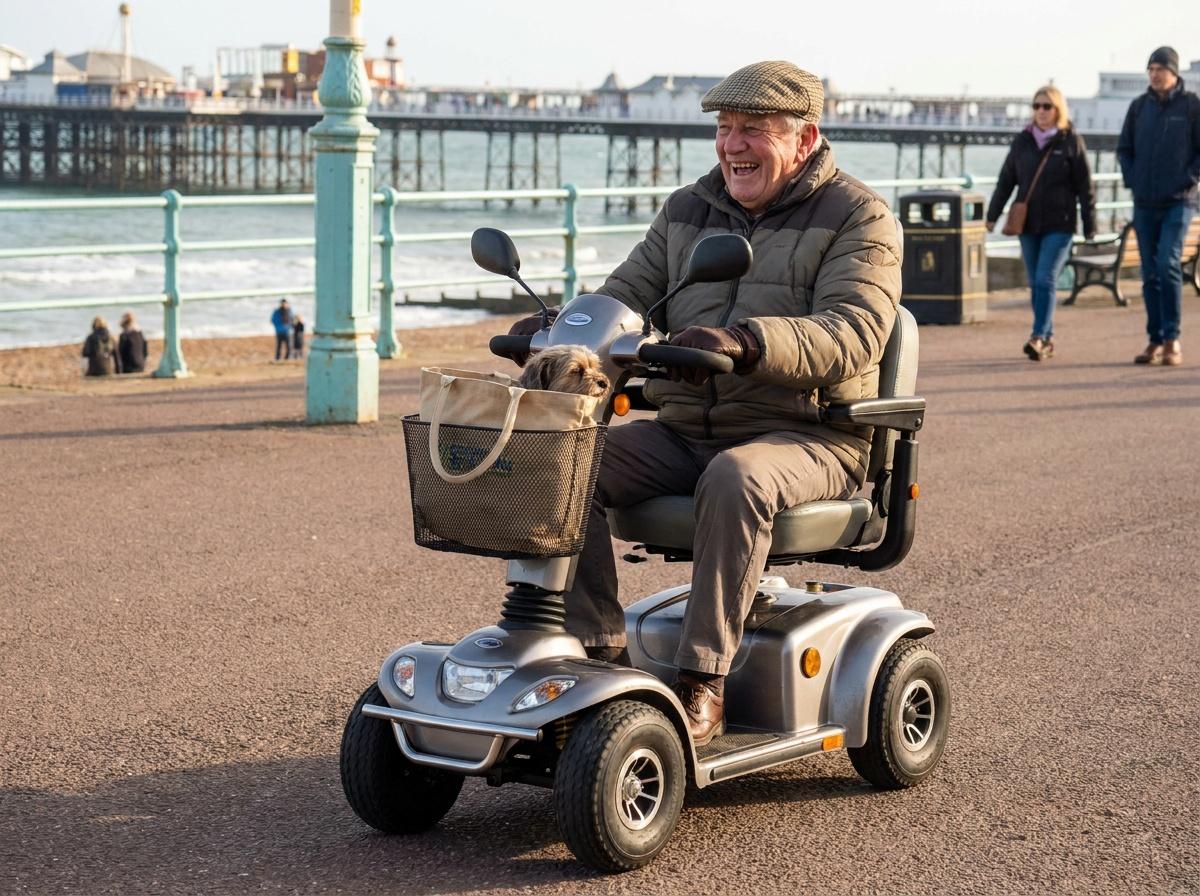
Understanding How Scooter Assistance Works
Mobility scooters—also called power-operated vehicles—can be life-changing, but new units often range from several hundred to several thousand dollars. The good news: multiple U.S. programs may help reduce or even cover costs when eligibility criteria are met. Assistance commonly comes through Medicare, Medicaid, Veterans benefits, private insurance, nonprofit grants, and retailer financing or discounts. Success usually hinges on matching your medical need to the right program rules, gathering the correct documentation, and selecting an approved supplier.
Government and Insurance Programs That May Help Cover Costs
- Medicare Part B (Original Medicare): Part B may cover a mobility scooter as durable medical equipment (DME) when it’s medically necessary for in-home mobility and prescribed by a Medicare-enrolled clinician after a face‑to‑face evaluation. You generally pay 20% coinsurance after the Part B deductible if the supplier accepts assignment. Many claims require prior authorization and proof that a cane or walker is insufficient, that you can safely operate the scooter, and that your home allows its use.
- Medicare Advantage (Part C): Plans must cover at least what Original Medicare covers but can have different networks, authorizations, or vendor lists. Call your plan before ordering to confirm approved providers and any extra benefits, such as transportation accessories or maintenance allowances.
- Medicaid (state-specific): Many state Medicaid programs cover scooters for eligible beneficiaries who meet medical-necessity criteria. Because requirements vary by state, consult your state Medicaid DME policy and work with an in-network supplier. For practical guidance from a major manufacturer, review this resource: Medicaid funding basics for scooters.
- Veterans Affairs (VA): Eligible veterans may obtain scooters through VA Prosthetics with a clinician’s prescription. Additional home modification help may come via HISA, SHA, or SAH grants, depending on circumstances.
- TRICARE and Other Private Insurance: Many private plans consider scooters DME with prior authorization. Network use and documentation are critical to avoid denials.
- State Assistive Technology (AT) Programs: Every state has an AT program that can offer device lending libraries, demonstrations, and sometimes low‑interest loans for purchase.
- Local and Nonprofit Resources: Area Agencies on Aging, Rotary or Lions Clubs, faith organizations, and disease‑specific foundations (e.g., MS or ALS groups) may provide grants or loan closets for short‑term needs.
To compare and identify more funding avenues, see these overviews: national funding sources for accessibility equipment and a retailer’s perspective on payer options at funding assistance for mobility scooters.
Eligibility Requirements for Mobility Equipment Assistance
While specifics vary by payer, most programs look for the following:
- Documented medical necessity for in-home use: A physician or qualified practitioner must verify that a scooter is required for basic activities inside the home (bathing, dressing, toileting, meal prep). If a cane or walker is not sufficient, the clinician will document why.
- Functional ability and safety: You must be able to safely operate the scooter (steering, balance, cognition) or have a caregiver who can assist appropriately. Some plans may require a physical or occupational therapy assessment.
- Home environment compatibility: Hallways, doorways, and turning space must allow scooter operation. A simple home walkthrough assessment helps determine feasibility.
- Approved clinician and supplier: The prescriber and the DME supplier must be enrolled/contracted with your insurance (Medicare, Medicaid, or plan network). Using out‑of‑network providers can lead to denials or higher costs.
- Financial criteria (for Medicaid and certain grants): Income, assets, and residency rules may apply. Medicaid eligibility and waiver programs differ by state.
- Correct paperwork and timelines: Many payers require a face‑to‑face exam, a detailed written order, and prior authorization before delivery. Retain copies of all submissions.
Steps Seniors and Caregivers Can Take to Explore Available Benefits
- 1) Start with your primary care provider (PCP): Schedule a face‑to‑face mobility evaluation. Ask your PCP to document why a scooter is needed at home and why lower‑level aids are insufficient.
- 2) Call your insurer: Ask specifically about mobility scooters, prior authorization, in‑network DME suppliers, and any required forms. For Medicare Advantage, request the exact DME codes or policy reference to ensure alignment with plan rules.
- 3) Contact a local DME supplier: Choose one experienced with your plan. They can help coordinate paperwork, measurements, and trial units. Confirm they accept assignment (Medicare) or are in‑network (Medicaid/MA).
- 4) Gather supporting documentation: Clinical notes, PT/OT assessments, home layout considerations, and any history of falls or failed use of other aids strengthen the case.
- 5) Explore community support: Reach out to your Area Agency on Aging in Columbus for local grants or equipment loan closets. Peer communities can also share real‑world tips, such as this active discussion: mobility cart cost assistance for seniors.
- 6) Compare savings strategies: Even with partial coverage, you can reduce out‑of‑pocket costs using manufacturer rebates, refurbished units, or seasonal sales. See practical ideas here: ways to make scooters more affordable.
- 7) Appeal if denied: Request the denial reason in writing and ask your clinician to address the gaps. Submitting additional evidence or using an in‑network supplier often changes outcomes.
Sample Scooter Models and Typical U.S. Prices
Below are representative retail price ranges you may encounter when researching options. Actual costs can vary by configuration, battery size, seating, and local availability.
| Model | Typical Price (USD) | Common Retailer/Location |
|---|---|---|
| Pride Go-Go Elite Traveller (3-Wheel) | $1,099 – $1,249 | SpinLife — Columbus, OH (ships nationwide) |
| Drive Medical Scout (4-Wheel) | $749 – $899 | Local DME supplier — Columbus |
| Golden Buzzaround EX | $1,699 – $2,199 | Golden dealers — Old Forge, PA (nationwide network) |
| Pride Victory 10 | $1,699 – $2,099 | Mobility Scooters Direct — Pompano Beach, FL |
| EWheels EW-36 (High-Speed) | $2,599 – $3,099 | Specialty mobility retailers — USA |
| Afikim Afiscooter S4 | $3,999 – $6,000 | Authorized Afikim dealers — USA |
| Shoprider Echo 3 (Travel) | $649 – $799 | Online retailers — USA |
| Travel Pro Premium (3-Wheel) | $799 – $999 | Big‑box/online retailers — USA |
| Merits Roadster 3 | $1,099 – $1,399 | Authorized Merits dealers — USA |
How to Improve Approval Odds and Reduce Out‑of‑Pocket Costs
- Match the device to your documented need: If your notes emphasize indoor use and tight hallways, a compact model with a narrow turning radius aligns better with coverage policies than a large outdoor unit.
- Use in‑network every step of the way: Prescriber, therapist, and supplier should be contracted with your plan. Ask the supplier to confirm they “accept assignment” (Medicare) or are “in‑network” (Medicaid/MA).
- Ask about refurbished or demo units: Some suppliers discount floor models or certified refurbished scooters that still meet medical need.
- Leverage state and nonprofit assistance: State AT programs, disease foundations, and local service clubs can bridge coinsurance gaps or provide temporary loaners.
- Consider financing only after exhausting benefits: Many retailers offer 0% promotional financing. Compare terms and confirm no penalty for early payoff.
- Learn from detailed funding rundowns: Bookmark a comprehensive list of U.S. options at this funding guide and a retailer’s tips at this funding assistance overview. For quick savings ideas, review affordability strategies.
Common Questions from Seniors and Caregivers
- Is outdoor use covered? Most insurance coverage focuses on essential in‑home mobility. Outdoor needs can be secondary; insurers may not fund outdoor‑only scooters.
- Do I need prior authorization? Often yes—especially with Medicare Advantage and Medicaid. Always obtain written approval before delivery.
- What if I can’t operate a scooter safely? Your clinician may recommend a power wheelchair or manual wheelchair with caregiver assistance, depending on your abilities and home setup.
- Can I get help choosing a model? Experienced DME suppliers and therapists can assess turning radius, seat height, battery range, and stability to ensure the scooter fits your body and home.
The Bottom Line
Many U.S. seniors qualify for partial or full help paying for a mobility scooter, but success depends on matching clinical need to policy rules, using approved providers, and submitting the right paperwork. Start with your clinician and insurer, engage a knowledgeable DME supplier, and tap state, nonprofit, and manufacturer resources to fill in remaining costs. With a proactive approach and the right documentation, safe and reliable mobility can be both attainable and affordable.