Banks are dangling hundreds of dollars just to get your attention. The big question is why those cash bonuses exist and whether they’re worth it for you. Discover how these promotions work, what it takes to qualify, and what to compare beyond the upfront cash.
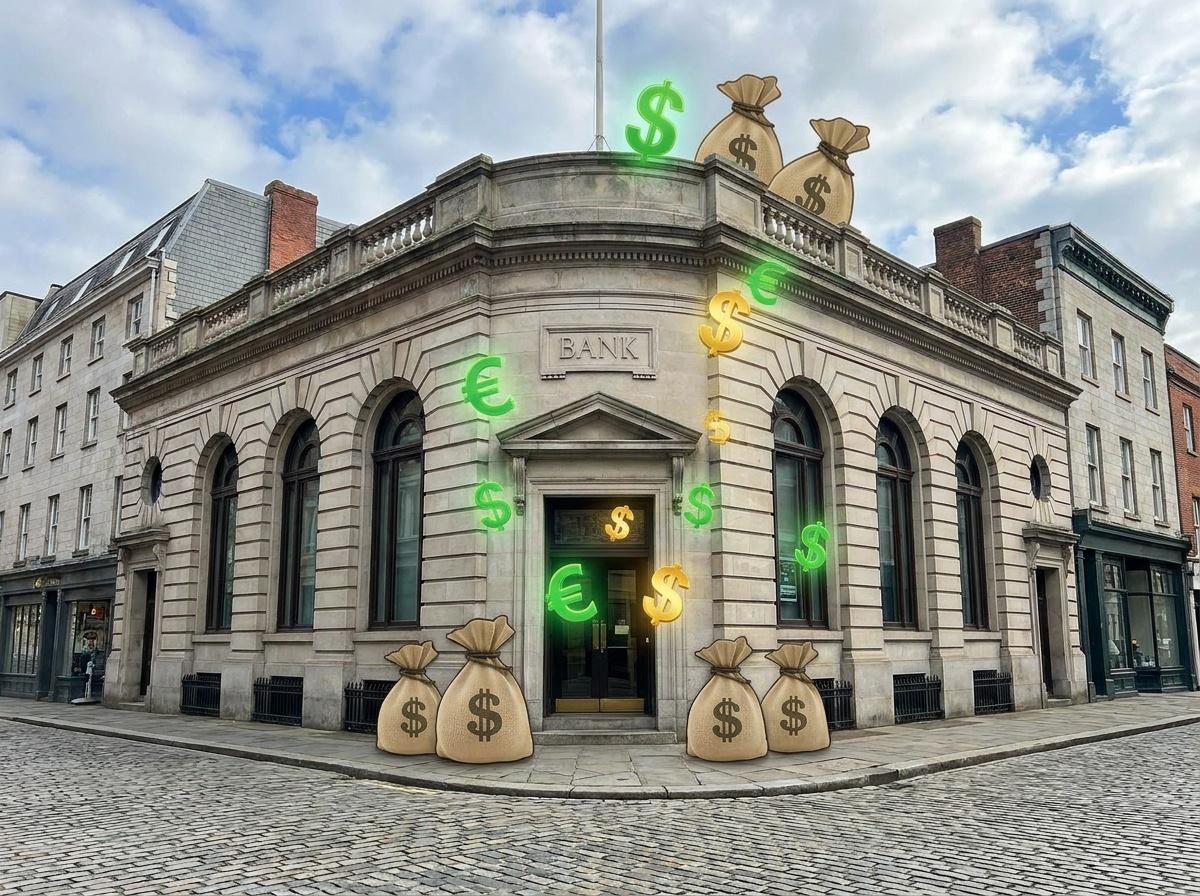
Why Banks Are Offering Cash to New Customers
For many U.S. banks, cash bonuses are a fast, measurable way to win deposits and new relationships. With higher interest rates making money market funds and online savings accounts more attractive, banks are competing harder to bring in “sticky” checking and savings balances they can use to fund loans. A limited-time bonus cuts through the noise, delivers a clear dollar value, and helps marketing teams show concrete results in new accounts and balances.
At the same time, digital account opening has reduced the cost of acquiring a customer compared with old branch-only processes. That makes a $200–$600 payout more palatable if the bank expects to keep you for years—using the account for direct deposit, bill pay, card spend, and cross-selling credit cards, mortgages, or CDs down the road.
You can see the breadth of current offers in this recent roundup of bank promotions and in NerdWallet’s list of best bank bonuses. Banks themselves promote these deals directly; for example, the BMO $400 checking bonus and the Associated Bank $600 checking bonus are public-facing pages with term details. Not everyone in banking believes bonuses are a cure‑all; some community bank advocates argue that giveaways can be costly and fleeting compared with better digital onboarding and long-term value, as discussed in why sign-up bonuses may not work for community banks.
How Bank Account Bonus Offers Work
At a high level, banks set a time-bound checklist. Meet each condition within the stated window, and you get paid—typically within a few weeks after qualification. Miss a step, and the bonus can be reduced or forfeited. While details vary, most offers follow a familiar pattern:
- Open by the deadline: Start your application before a stated date and use any required promo code.
- Fund or deposit: Make a qualifying direct deposit (often payroll, Social Security, or pension) or bring a specified amount of “new money.”
- Maintain balance or activity: Keep funds on deposit for a minimum period and/or complete debit card transactions or bill pays.
- Stay eligible: Remain in good standing and keep the account open until the payout date; otherwise, the bank can claw back the reward.
- Expect taxes: Banks generally report bonuses as interest on Form 1099-INT (or 1099-MISC). The IRS treats this as taxable income.
For clarity, many banks list precise timelines (for example, “qualifying direct deposits within 90 days of account opening” and “payable approximately 120 days after qualification”). When you review a live offer such as BMO’s digital checking bonus or the Associated Bank $600 promotion, look closely at definitions, especially what counts as a “qualifying direct deposit” and whether internal transfers or person-to-person payments qualify (they often do not).
Common Requirements to Qualify for Promotional Rewards
While each bank’s fine print is unique, you’ll often see these recurring requirements:
- Direct deposit definition: Payroll, government, or pension ACH entries typically qualify. Transfers from apps or other banks may not.
- Minimum amounts: Bonuses are tiered—bigger deposits earn bigger payouts. You may need $500–$10,000+ depending on the bank and tier.
- Time windows: Commonly 30–90 days to complete transactions and 60–120 days to receive the bonus.
- Account tenure: Keep the account open through the payout date; some banks require 6 months or more to avoid clawbacks.
- “New customer” status: If you’ve had the bank’s account recently (often within the last 12–24 months), you may be ineligible.
- Residency and channel: Some offers are limited to certain states or must be opened online vs. in-branch.
- Fees and waivers: Monthly fees can apply unless you meet minimum balance or activity thresholds. These rules matter to your net gain.
Sample Bank Bonus Landscape (Illustrative)
Below is a stylized snapshot of widely seen public promotions. Terms change frequently; always verify current details on the bank’s site or via trusted roundups like NerdWallet and this Yahoo Finance feature before applying.
| Bank & Account | Sample Public Bonus | Typical Qualifying Actions |
|---|---|---|
| BMO Checking (Digital Offer) | Up to $400 | Open by deadline; set up qualifying direct deposits within 90 days; maintain account in good standing |
| Associated Bank Checking | Up to $600 | Open with promo code; complete direct deposits and/or maintain balance per tier |
| Chase Total Checking | Around $300 | Open by offer date; receive qualifying direct deposits within 90 days |
| Wells Fargo Checking | Around $300 | Open with minimum deposit; receive qualifying direct deposit(s) in set window |
| Citi Checking (Tiered) | Up to $2,000 (tiers) | Deposit higher balances for bigger tiers; maintain for required days |
| PNC Virtual Wallet | $200–$400 (varies) | Set up direct deposit and/or meet debit/bill pay activity and balance thresholds |
What to Compare Beyond the Cash Incentive
A bonus is a one-time payment; your account is an everyday tool. Before you switch, stack the cash against long-term value:
- Monthly fees and waivers: Is there a maintenance fee? Can you waive it with direct deposit, minimum balance, or student/age benefits?
- APY and savings options: If you keep cash at the bank, are there competitive high-yield savings or CDs?
- ATM and branch access: How many fee-free ATMs are near you? Do you need a branch in Columbus for cash deposits or notary services?
- Overdraft policies: Grace period? No-fee overdraft up to a threshold? Automatic transfers from savings?
- Digital experience: Reliability of mobile check deposit, Zelle integrations, budgeting tools, and card controls.
- Customer support: 24/7 phone or chat? Branch hours convenient to your schedule?
- Account restrictions: New-customer exclusions, state eligibility, or promo-code limits that could block your bonus.
- Credit impact and ChexSystems: Soft vs. hard pull, and how frequent account openings might affect your report with specialty bureaus.
To scan the landscape quickly, aggregator sources like NerdWallet’s bonus comparison and the Yahoo Finance promotions overview are useful starting points before you click through to the bank’s official page.
Strategies to Maximize Value (and Avoid Pitfalls)
- Calculate your net gain: Subtract any monthly fees you can’t waive from the headline bonus. A $300 bonus minus $15/month for 6 months is effectively $210.
- Automate requirements: Set your payroll direct deposit to the new account temporarily to ensure it counts as “qualifying.”
- Track deadlines: Use calendar reminders for the deposit window and the bonus payout date; keep evidence of ACH descriptions and amounts.
- Don’t close too early: Many banks claw back the bonus if you close within a certain period. Budget to keep it open until you’re safe.
- Mind your taxes: Expect a 1099-INT and set aside a portion for federal/state income tax if applicable.
- Avoid over-churning: Rapid account opening/closing can lead to denials via ChexSystems or internal bank rules.
Who Should Consider a Bank Bonus
Bank bonuses can make sense if you’re already planning a switch, you’re consolidating finances after a life event, or you can route your paycheck for a few months without disrupting bill pay. Households holding sizable cash buffers may unlock tiered offers that pay more for higher balances. On the other hand, if moving your direct deposit is difficult, or if you’ll pay high monthly fees you can’t waive, the math may not pencil out.
Bottom Line
Banks pay cash to new customers because it works: bonuses attract deposits, build relationships, and create cross-sell opportunities. For consumers, the deals can be a smart win if you understand how bank account bonus offers work, meet the common requirements to qualify for promotional rewards, and compare what matters beyond the cash incentive, such as fees, features, and convenience. Start with trusted overviews like NerdWallet’s bonus list and this Yahoo Finance guide to promotions, then vet the bank’s official page—such as the BMO $400 offer or Associated Bank’s $600 deal—to confirm eligibility, timelines, and tax implications before you open.