Diabetes researchers across the U.S. are expanding paid studies to test smarter drugs and devices in 2026. They need everyday people living with type 1 or type 2 diabetes—and sometimes those without diabetes—to volunteer. If you’ve wondered who qualifies, how compensation works, and what the process looks like, you’re in the right place.
Why Paid Diabetes Research Studies Are Recruiting in 2026
Advances in diabetes care are accelerating, with new GLP-1 and dual-agonist medicines, once-weekly basal insulins, and next‑gen automated insulin delivery systems moving through the pipeline. At the same time, sponsors are under pressure to recruit faster and include more diverse participants so results reflect real-world America. Paid studies in 2026 are designed to make it easier for people to say yes: more flexible scheduling, partial telehealth visits, and transparent stipends to offset time and travel. If you’re curious about active opportunities, explore listings from large networks and academic hubs such as Participate in Research | Diabetes, type 1–focused resources at Type 1 Diabetes Clinical Trials, or a current type 2 diabetes listing via Altasciences in Los Angeles at Living with Type 2 Diabetes? Participate in Our Clinical Trial. While UK‑based, these pages also explain the process well for anyone new to research: Take part in type 1 diabetes clinical trials and Take part in a research study.
How Diabetes Clinical Studies Work
Most diabetes studies follow a well-defined, regulated pathway overseen by independent ethics boards (IRBs) and the FDA for U.S. drug and device trials. Here’s the typical flow:
- Pre-screen and consent: You review a plain-language consent form explaining the purpose, visits, risks, and payments. Questions are welcome before you sign.
- Eligibility screening: Sites confirm you meet criteria with labs (A1c, fasting glucose), medical history, medication review, and sometimes an ECG or eye exam.
- Randomization or assignment: In many drug trials, participants are randomly assigned to receive the investigational product or a comparator (placebo or approved therapy). Device studies may compare different settings or versions.
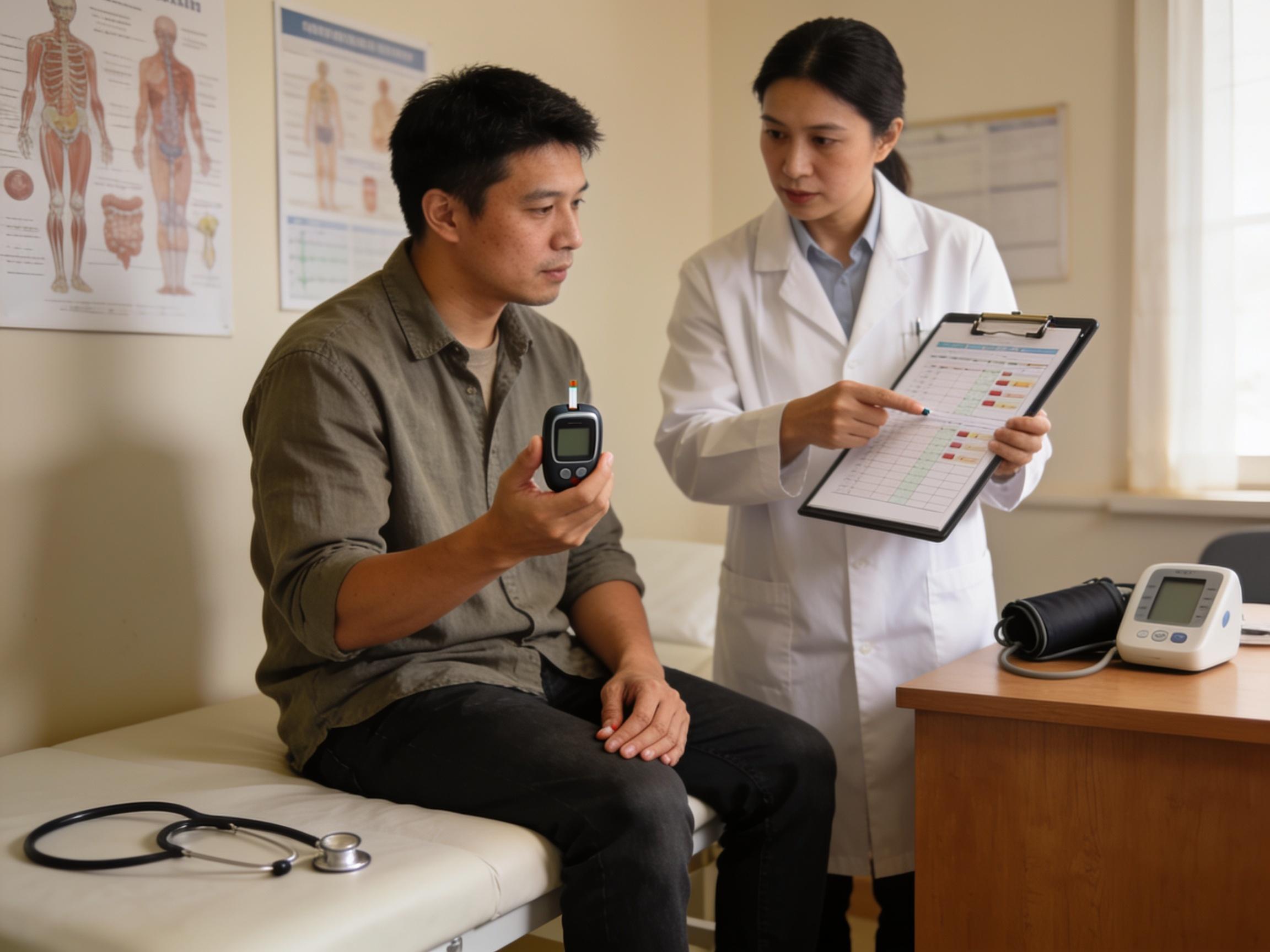
- Study visits and monitoring: Expect scheduled clinic visits, vitals, CGM data collection, and periodic lab work. Many 2026 protocols include remote check‑ins and home pickups for samples.
- Safety oversight: Adverse events are tracked and reviewed throughout by the site and sponsor; you can withdraw at any time without penalty.
To see how trials are structured in type 1, browse the curated resources at Type 1 Diabetes Clinical Trials. For type 2, regional centers often post specific protocols with visit schedules and contact info, such as the Altasciences study noted above.
Who May Qualify to Participate
Each study defines its own inclusion and exclusion criteria. Common patterns include:
- Type 1 diabetes: Age brackets often span 14–70; A1c windows typically range 6.5–10.0%; pump or MDI users may both qualify; history of recent severe hypoglycemia may exclude for safety.
- Type 2 diabetes: Adults 18+ with A1c targets (often 7.0–10.5%); stable doses of metformin, SGLT2, or GLP‑1 agents for a set period; BMI thresholds (e.g., 25–45); kidney function minimums (e.g., eGFR ≥45).
- Device usability studies: Broader criteria, sometimes including caregivers or people without diabetes, to test app clarity, alarms, and wearability.
- General exclusions: Pregnancy or planning pregnancy; certain heart, kidney, or liver conditions; recent participation in another clinical trial; known allergies to study drug components.
If you live in or near Columbus, many research sites can pre‑screen you by phone in minutes. To survey opportunities from academic and community centers, start with Participate in Research | Diabetes and type 1–specific directories from Breakthrough T1D in the U.S. and U.K.
Compensation
Paid diabetes studies compensate for time, travel, and inconvenience. Amounts vary by complexity and total visits. Typical structures include a per‑visit stipend, mileage or rideshare reimbursement, parking coverage, and sometimes bonuses for completing all visits. Longer inpatient or intensive device trials may pay more than brief observational studies.
- How it’s paid: Check, direct deposit, reloadable card, or gift card—spelled out in consent.
- Taxes: In the U.S., sites generally issue a 1099 form if cumulative yearly payments exceed IRS thresholds. Keep your receipts and ask the coordinator.
- Reimbursements: Childcare, lodging, and meal stipends may be available for long visits; ask what’s covered and what documentation you need.
Below are illustrative stipends commonly advertised by U.S. sites for diabetes-related protocols. Actual amounts are set by each sponsor and study team and can change.
| Study Center | City/State | Typical 2026 Stipend Range (USD) |
|---|---|---|
| Altasciences Clinical Research | Los Angeles, CA | $600–$2,000 (multi-visit T2D outpatient) |
| Velocity Clinical Research | Phoenix, AZ | $400–$1,200 (device usability/CGM) |
| DM Clinical Research | Houston, TX | $500–$2,500 (oral/GLP‑1 add‑on trials) |
| Labcorp Drug Development | Madison, WI | $800–$3,000 (inpatient PK/PD studies) |
| Parexel Early Phase | Glendale, CA | $700–$2,200 (insulin/adjunct therapy) |
| QPS Miami | Miami, FL | $500–$1,800 (sensor/meal challenge) |
| Joslin Diabetes Center | Boston, MA | $100–$600 (observational/metabolic) |
| University Research Clinics | Seattle, WA | $300–$1,500 (hybrid outpatient) |
Representative ranges for illustration; actual compensation is protocol-specific and disclosed during informed consent.
Screening
Your first touchpoint is usually a short pre‑screen call. If you appear eligible, the site schedules screening to confirm details and protect your safety.
- Medical intake: History of diabetes, past A1c values, hypoglycemia frequency, complications, and current meds (including insulin regimen, GLP‑1s, SGLT2s).
- Vitals and labs: Height/weight, blood pressure, fingerstick and venous blood draws, A1c, kidney and liver function; sometimes urine tests and pregnancy testing for participants who could become pregnant.
- Technology checks: If the study involves CGM, pumps, or a smartphone app, coordinators confirm compatibility and assess your comfort level.
- Washouts and stability periods: Some protocols require pausing a medication or maintaining a stable dose for several weeks before dosing begins—this is carefully supervised.
Want a feel for pre‑screen questions and eligibility logic? Review general participation explainers from ITHS and type 1–specific guidance from Breakthrough T1D.
What to Expect
Expect professionalism, clear scheduling, and ongoing safety monitoring. Most diabetes studies try to minimize disruption to your routine while ensuring robust data.
- Visit cadence: From a single 2–3 hour session to 12–24 weeks with monthly clinic visits; hybrid designs may include video check‑ins.
- Data collection: CGM wear, glucose logs, dosing diaries, meal timing, activity, and occasional standardized meal or exercise challenges.
- Device support: If using a study CGM or pump algorithm, you’ll be trained, given supplies, and have a 24/7 contact for technical or safety issues.
- Safety first: Hypo/hyperglycemia thresholds and rescue plans are defined up front; you can contact the team any time and may stop participation whenever you wish.
- Logistics: Many sites offer evening/weekend visits, parking vouchers, and travel stipends to fit life and work.
Ready to Explore Studies Near You?
If you’re considering volunteering in 2026, start by browsing credible listings and talking with a coordinator about eligibility, time commitment, and pay. For type 1 opportunities, visit Type 1 Diabetes Clinical Trials and the U.K. sister resource at Take part in type 1 diabetes clinical trials. For type 2 and mixed studies, check academic hubs like Participate in Research | Diabetes and view active postings such as Living with Type 2 Diabetes? Participate in Our Clinical Trial. To learn more about the research journey in plain language, see Take part in a research study.
The need is real: better treatments depend on volunteers reflecting the full spectrum of people with diabetes. If you’re eligible and the protocol fits your life, a paid study can be a practical way to contribute to the next generation of care—and be fairly compensated for your time.