Save money on safe, professional tree removal without sacrificing quality. Learn real-world costs, where to find vetted pros near you, and how to use HOA coverage to your advantage. Get the tips that local homeowners use to cut hundreds from their bill.
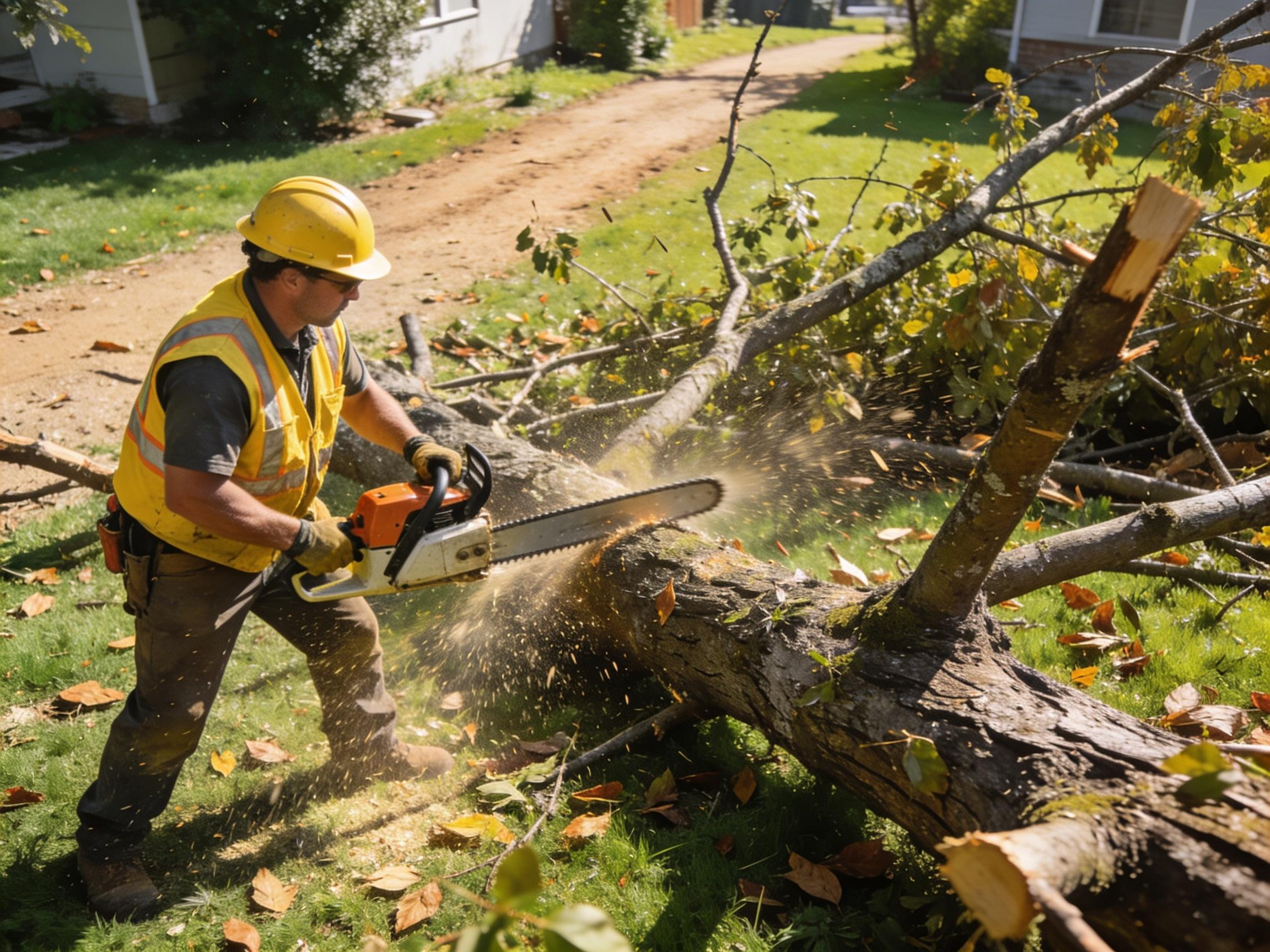
How Much Is Tree Cutting in My Area?
The cost of tree cutting in the U.S. varies widely based on tree size, access, risk, and add-on services. Nationally, simple trims or removals for small trees might run a few hundred dollars, while complex removals can reach several thousand. The biggest price drivers are tree height, proximity to structures or power lines, and whether you need stump grinding, hauling, or emergency response.
- Tree size and species: Taller, heavier hardwoods cost more; a 20-foot ornamental is far cheaper than a 70-foot oak.
- Complexity and risk: Close quarters, fencing, sheds, pools, or wires require more rigging and insurance coverage, raising costs.
- Access and equipment: If a bucket truck or crane can’t reach the tree, crews must climb and rig piece-by-piece, which adds time and money.
- Add-on services: Stump grinding, limb chipping, log hauling, and yard cleanup are often separate line items.
- Timing and urgency: Off-peak winter rates can be lower; storm emergencies and weekend calls cost more.
Below are illustrative, localized estimate ranges commonly seen in the U.S. for typical residential work. Use them to benchmark quotes in Columbus. Actual pricing depends on on-site conditions and your contractor’s assessment.
| Provider (example) | Service in Columbus | Estimated price range (USD) |
|---|---|---|
| GreenCanopy Tree Care (Illustrative) | Small tree removal (15–25 ft) | $250 – $600 |
| Lakefront Arborists (Illustrative) | Medium tree removal (25–40 ft) | $450 – $1,000 |
| Suburban Tree Pros (Illustrative) | Large tree removal (40–60 ft) | $700 – $1,800 |
| Metro Crane & Tree (Illustrative) | Extra-large removal (60–80+ ft, crane) | $1,500 – $3,500+ |
| Neighborhood Stump Team (Illustrative) | Stump grinding (per stump) | $100 – $350 |
| Storm Response Crew (Illustrative) | Emergency removal (crew/hour) | $200 – $500 |
Pro tip: Ask for line-item pricing. When you can separate cutting from hauling, or keep wood on-site, you can often shave 10–25% off the total.
How to Find Professional Tree Cutters in My Area
Finding reliable, insured tree pros in Columbus is easier when you combine a few trusted sources with a smart vetting checklist:
- Start with reputable directories: Compare local ratings and book multiple bids through platforms like Thumbtack to quickly spot fair pricing.
- Check nearby, established providers: Explore regional companies such as Kinnucan, Progressive Tree (Evanston), Naperville Tree Care, and Downers Grove Tree Service to see service menus and request estimates.
- Verify credentials: Ask if a Certified Arborist (ISA) will oversee the job, and request a current certificate of insurance with you listed as certificate holder.
- Demand clear scopes: Insist on written bids that specify cutting method, rigging or crane use, stump options, cleanup, disposal, and any permit fees.
- Compare apples-to-apples: Get at least three quotes, then align scope and cleanup so you’re comparing the same work between contractors.
- Avoid storm chasers: Be cautious of unsolicited door-to-door offers after severe weather. Legitimate firms provide references and documentation without pressure.
- Ask about scheduling flexibility: If you’re not in a rush, ask for off-peak discounts or fill-in rates when crews are already working nearby.
If you’re cutting costs, consider trimming instead of full removal when safe and appropriate. A good arborist will tell you when a tree can be pruned to mitigate risk without removing it.
Tree Removal Services Covered by HOAs
Whether your HOA covers tree work depends on who owns the tree, where it’s planted, and what your governing documents say. In planned developments, the HOA typically maintains trees in common areas, while homeowners are responsible for trees on their lots. However, exceptions exist for hazardous conditions, shared or boundary trees, and situations that threaten common infrastructure (sidewalks, sewer laterals, or community walls).
- Check governing documents: Review CC&Rs, bylaws, and landscape guidelines. Look for sections on “vegetation,” “common area maintenance,” and “hazard mitigation.”
- Common-area vs. private lot: Trees rooted in common space are usually the HOA’s responsibility; trees fully within your property line are generally yours.
- Hazardous or emergency removals: Some HOAs fund removal if a certified arborist documents imminent danger to people or common property.
- ARC/board approval: Non-emergency removals often require Architectural Review Committee or board approval before work begins.
- Insurance interplay: For storm damage, the HOA’s master policy may apply to common property; your homeowners policy may cover trees that damage your home or outbuildings. Keep receipts and photos.
- Cost sharing for boundary trees: If a trunk straddles property lines, cost-sharing rules may apply; the HOA can advise on local norms or mediation.
How to get covered: Submit an HOA maintenance request with photos, a brief hazard description, and (if possible) a letter from a Certified Arborist. Ask whether the HOA will dispatch its contracted vendor or reimburse a bid you’ve obtained.
Permits, Safety, and Timing
Many U.S. cities require permits for removing protected species or trees above a certain trunk diameter. Call your local forestry or building department to confirm requirements. Always dial 811 before any stump work to locate underground utilities.
- Seasonal savings: Winter is typically budget-friendly, with less foliage and lower demand.
- Nesting windows: Spring bird-nesting seasons can restrict pruning and removals; pros will advise safe timing.
- Site prep: Clear vehicles, furniture, and pets from the work zone to reduce crew time and cost.
Simple Ways to Lower Your Tree Removal Bill
- Bundle work: Removing multiple trees or adding pruning can unlock package pricing.
- Keep the wood: Opt to keep un-chipped logs for firewood to reduce hauling fees.
- DIY cleanup (within reason): If allowed, handle post-job raking or small limb stacking to trim labor time.
- Flexible dates: Ask about weekday or fill-in discounts when crews are already in Columbus.
- Neighborhood deals: Coordinate with neighbors for a group rate when a crew mobilizes once for multiple homes.
Ready to Compare Affordable Pros?
Start with a few bids and a clear, written scope. You can quickly source and compare local professionals via Thumbtack, then check nearby firms such as Kinnucan, Progressive Tree (Evanston), Naperville Tree Care, and Downers Grove Tree Service. With a few smart steps—vetting insurance, aligning scope, and leveraging HOA rules when applicable—you can secure safe, affordable tree removal in Columbus without surprises.