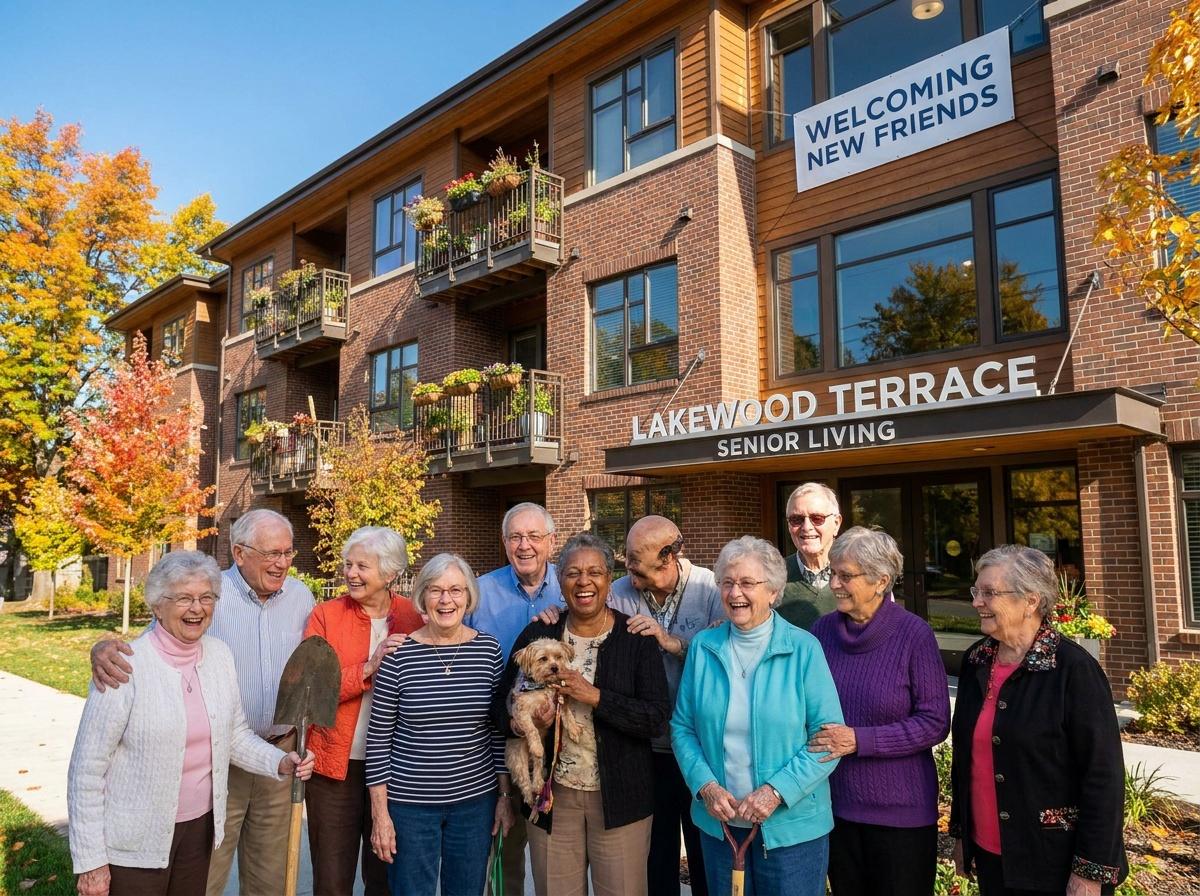
U.S. caregiving jobs are multiplying, and many hire first-time applicants. Flexible schedules, quick training, and meaningful work make it an ideal fast-start career. Discover where to find openings, what training helps, and how to grow your pay.
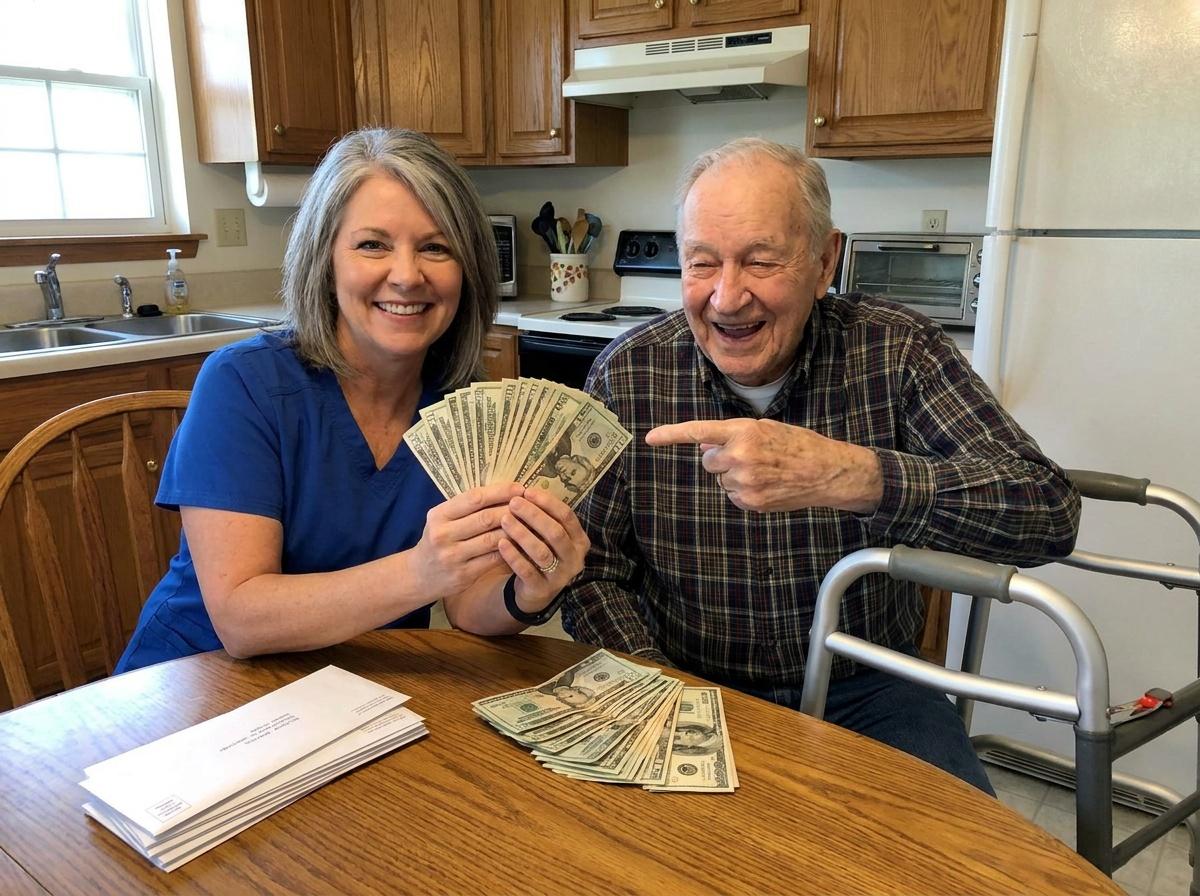
Why Demand for Caregivers Continues to Rise
America’s population is aging fast, and more people want care at home instead of in facilities. Families facing dementia, mobility challenges, and chronic conditions rely on dependable in-home help—driving steady job creation that doesn’t slow in downturns. Hospitals and insurers are also shifting care to the home to reduce costs and readmissions, fueling demand for personal care aides (PCAs) and home health aides (HHAs).
Consider these momentum drivers:
- Demographics: More adults are 65+ than ever before, with the 85+ group growing the fastest. That translates to multi-decade, recession-resistant need.
- Home-first preference: Clients overwhelmingly prefer to recover or age at home, which typically requires regular caregiver support.
- Caregiver burnout: Family members can’t always provide all the help needed, opening paid roles for trained aides.
- Policy shifts: States are expanding Home and Community-Based Services, creating funded hours for aides who assist Medicaid recipients.
For a sense of why these roles are personally rewarding and future-proof, explore these reasons caregivers love in‑home roles.
Entry Points: No Experience? You’re Still Needed
If you’re dependable and compassionate, agencies will often train you on the job. Many entry-level roles focus on companionship, light housekeeping, meal prep, errands, medication reminders, and safe mobility support—no advanced medical procedures required. You can grow into higher-paid roles by adding certifications over time.
Use these ready-to-apply paths:
- New York openings with clear pay: Browse a wide range of postings offering $15–$20 per hour here: NY caregiver jobs on ZipRecruiter.
- Newark, NJ roles that hire without a certificate: Find current listings for first-time applicants: Caregiver jobs in Newark that require no certificate.
- Philadelphia agencies bringing in newcomers: See openings that welcome beginners at No‑experience caregiver roles in Philadelphia, and review training-supported options at Philadelphia Health Aide jobs with training.
Pro tip: If you’re job hunting in Columbus, search for “caregiver no experience Columbus” and include terms like “PCA,” “HHA,” or “home care aide” for more results.
Training Paths That Can Help Newcomers Get Started
You can launch quickly as a companion or personal care aide, then stack credentials that raise your pay and open more shifts.
- Agency onboarding: Many companies provide paid orientation covering safety, infection control, transfers, documentation, and client communication. Ask whether they sponsor state-required training.
- Home Health Aide (HHA) certification: For Medicare-certified home health agencies, the federal baseline is 75 hours of training with competency evaluation (states may require more). HHAs typically earn more and access medical-adjacent cases.
- CPR/First Aid: A short course that boosts credibility and employability for minimal cost and time.
- Specialty skills: Dementia care, hospice support, safe transfers, and catheter or ostomy awareness (as permitted) can secure higher-paying, longer-hour assignments.
- CNA pathway: If you love hands-on work, a Certified Nursing Assistant credential opens facility shifts and higher rates; many agencies help you bridge from PCA/HHA to CNA.
In Philadelphia, some agencies actively help beginners pursue the right track. Review newcomer-friendly opportunities at beginner caregiver positions in Philadelphia and training-backed roles at AmeriBest’s home-based services.
Factors That Influence Pay and Career Growth
Your hourly rate and advancement depend on a mix of market, skills, and availability.
- Location: High-cost metros (NYC, Seattle, Bay Area) typically pay more than rural areas.
- Credentials: HHAs, CNAs, and aides with specialty training command higher wages and steadier hours.
- Shift type: Overnights, weekends, and short-notice assignments may pay a premium.
- Case complexity: Dementia, mobility challenges, or post-acute clients often come with higher rates.
- Reliability: Excellent attendance, communication, and documentation lead to preferred cases and raises.
- Employment model: W‑2 agency roles can include benefits and training; 1099 arrangements may pay more per hour but without benefits.
Set a simple growth plan: start as PCA, complete HHA training in your state, add CPR/First Aid, then pursue dementia or hospice micro-credentials. Within 6–12 months, you can move from basic companion shifts to higher-paid, longer-hour cases—or transition into a CNA program for even more options.
Sample Entry‑Level Pay by City and Agency
The examples below reflect typical advertised starter ranges from recent U.S. job postings and agency disclosures; your offer will vary by location, experience, shift, and client needs.
| City/Region | Company / Source | Advertised Starting Pay (Hourly) |
|---|---|---|
| New York, NY | Aggregated job board listings | $15–$20 |
| Newark, NJ | Local agency postings (no certificate) | $16–$20 |
| Philadelphia, PA | AmeriBest Home Care | $14–$18 |
| Philadelphia, PA | All American Home Care | $14–$18 |
| Seattle, WA | Family Resource Home Care | $20–$25 |
| Los Angeles, CA | Home Instead (franchise locations) | $18–$22 |
| Chicago, IL | Right at Home (select offices) | $16–$20 |
| Phoenix, AZ | Visiting Angels (select offices) | $16–$19 |
Note: Ranges are examples from recent postings and agency disclosures; actual offers vary by role, shift, and certification. Always confirm the current pay and benefits during interviews.
How to Apply Fast and Stand Out
Most agencies can move you from application to orientation in under two weeks if your documents are ready.
- Prepare essentials: Government ID, eligibility to work in the U.S., recent TB test or screening, and proof of vaccination if required by clients or state rules.
- Update your resume: Highlight reliability—on-time records, customer service, retail/food service, volunteering, or family caregiving experience.
- Show availability: Offering at least one weekend day or a few evening hours increases case matches and your starting rate options.
- Collect references: Two to three supervisors, teachers, or community leaders who can speak to your dependability.
- Ask about training: Clarify paid orientation, HHA sponsorships, and specialty courses like dementia or hospice care.
FAQ for First‑Time Caregivers
- Do I need a license? Often no for companion/PCA roles. State or payer rules may require HHA certification for medical home health agencies.
- How quickly can I start? Many agencies hire within 7–14 days depending on background checks and schedule fit.
- Will I get help on my first case? Ask for a meet-and-greet or first-shift check-in; reputable agencies support new aides during early visits.
- Can I grow my pay? Yes—earn more by adding credentials, taking high-need shifts, and maintaining strong attendance.
- What if I don’t drive? Many urban cases are transit-accessible; be upfront about transportation so schedulers can match you well.
Get Hired Where Starter Roles Are Booming
If you’re in New York, see current $15–$20 openings via this NY caregiver search. In New Jersey, filter for no-certificate roles around Newark using this targeted Indeed query. In Philadelphia, compare beginner-friendly options through All American’s entry paths and AmeriBest’s community-based services.
Caregiving lets you earn steady income while making a real difference—no experience required to begin. Start where you are, take the first shift, and build skills that will stay in demand for decades. Your next meaningful paycheck could be just one orientation away.