Stay safer without leaving home by getting COVID tests brought right to your doorstep. Learn how to qualify for free kits, what delivery options exist, and which brands are worth your money. Discover when rapid tests are most accurate and why regular testing still matters for older adults.
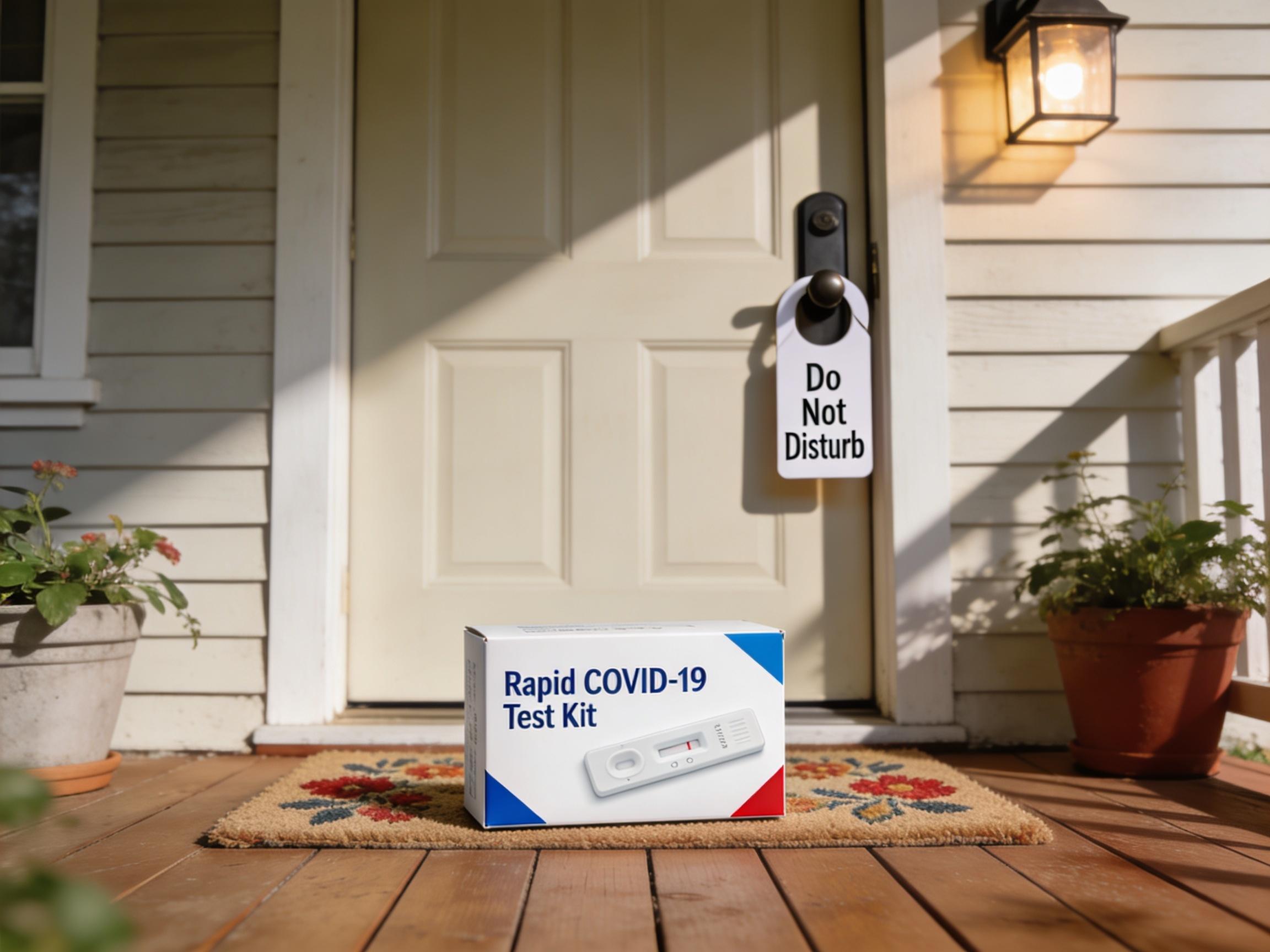
Why It's Important to Still Test for Covid
COVID-19 has not disappeared, and for older adults and people with chronic conditions, early detection is still a powerful tool. If you test positive quickly, you can talk to your clinician about treatments like Paxlovid that work best when started within five days of symptom onset. Testing also helps protect grandkids, caregivers, and friends—especially before visits, after possible exposure, or when new respiratory symptoms appear during cold and flu season.
Staying stocked with a few reliable at-home tests means you can act fast. It’s a low-effort habit with high payoff: prompt care, informed decisions, and peace of mind.
How to Get Covid Tests For Free
For seniors, there are several pathways to free or low-cost tests. Availability can change, so always verify your coverage before ordering. The National Council on Aging maintains a clear overview of coverage and options here: Medicare and COVID-19 Tests: A Guide for Older Adults.
- Medicare: Original Medicare typically covers lab-based PCR or rapid antigen tests ordered by a clinician, but it no longer covers over-the-counter (OTC) at-home tests without a prescription. Some Medicare Advantage (Part C) plans may include OTC benefits or test coverage; call your plan to confirm.
- Medicaid: Medicaid programs have offered coverage for at-home tests, though details and timelines vary by state and may evolve. Check your state Medicaid site or call the number on your card.
- Private Insurance: Some plans still reimburse or directly cover OTC at-home tests at select pharmacies. If your plan participates, you can order through pharmacy programs that process insurance at checkout. For example, Walgreens has supported no-cost orders when eligible insurance applies: Order No Cost COVID-19 Tests with Insurance Coverage.
- Community Programs: Local health departments, senior centers, libraries, and community health clinics sometimes distribute free kits, especially during surges. Call 2-1-1 or your county health department for current options.
- Federal Mailings: Periodic federal mail-order programs have shipped free tests directly to households. If such programs resume, they are often widely publicized and quick to request; keep an eye on official announcements.
If you have an OTC benefit card through a Medicare Advantage plan, you may be able to order tests online or by phone and have them shipped to your home at no additional cost.
Free Covid Test Delivery
Doorstep delivery helps older adults avoid lines and exposure. Depending on your insurance and retailer, you may be able to get both the test and the shipping covered.
- Pharmacy Insurance Portals: If your plan allows direct billing, pharmacies can ship tests at no cost to you. Start with options like Walgreens no-cost orders with insurance for eligible plans.
- Retailer Delivery: Most national retailers offer shipping or same-day services. Browse current selections at CVS and the broader selection at Walgreens. For bulk or discounted options, check suppliers like WellBefore.
- Mail-Order Drug Benefits: Some Medicare Advantage plans include OTC allowances redeemable online or via catalogs. You can place a phone order and have kits shipped to your home.
- Local Delivery Services: In many Columbus areas, same-day delivery via pharmacy partners or couriers is available for a small fee—useful when you need tests quickly.
Pro tip: When ordering, check the expected delivery window and the expiration date policy. Reputable sellers list FDA-extended shelf-life dates; if not, ask customer service.
How Accurate are Covid At Home Tests
At-home antigen tests are very good at detecting contagious cases, especially 1–3 days after symptoms begin. They tend to have:
- High Specificity: False positives are uncommon (often 98%+ specificity). A positive result is usually reliable—follow up with your clinician about treatment.
- Moderate Sensitivity: Early or asymptomatic infections can be missed. Sensitivity improves when viral load is higher or if you repeat testing 48 hours apart.
- Best Use Cases: New respiratory symptoms, known exposure (test immediately and again 48 hours later), or before visiting high-risk loved ones.
Improve accuracy by storing kits at room temperature, following the timing precisely, and checking whether the FDA has extended the expiration date for your lot number. If you have symptoms and repeated negative antigen tests, consider a lab-based PCR or discuss options with your clinician—especially if you’re at higher risk and may qualify for antivirals.
Popular At-Home COVID Test Options and Prices
Below are typical retail prices seen at major U.S. sellers. Prices change frequently and can vary by location, insurance, and promotions.
| Brand & Pack Size | Typical Price (USD) | Where You Can Order |
|---|---|---|
| Abbott BinaxNOW (2 tests) | $23.99 | CVS, Walgreens, Major Retailers |
| iHealth COVID-19 Antigen (2 tests) | $17.98 | Online, Pharmacies |
| Flowflex Antigen (1 test) | $7.99 | CVS, Walgreens, Online |
| QuickVue At-Home (2 tests) | $29.99 | Pharmacies, Big-Box Stores |
| On/Go Antigen (2 tests) | $23.99 | Retailers, Online |
| CVS Health At-Home (2 tests) | $23.99 | CVS |
| Walgreens At-Home Antigen (2 tests) | $23.99 | Walgreens |
| Flowflex (5-pack) | $34.95 | Online (Bulk/Discount Sellers) |
To compare current availability or see delivery windows, browse live listings at CVS, Walgreens, or value sources like WellBefore.
Doorstep Ordering: Step-by-Step for Seniors
- Check Your Coverage: Call the number on your Medicare Advantage, Medicaid, or private insurance card. Ask if OTC at-home COVID-19 tests are covered, which pharmacies are in network, and whether home delivery is included.
- Choose a Retailer: Select a pharmacy that can bill your insurance directly, such as using the Walgreens no-cost portal (when eligible), or order retail with delivery from CVS or Walgreens.
- Confirm Expiration Dates: Look for products with extended FDA shelf lives and ample time before expiration. If in doubt, contact customer service and ask about lot numbers.
- Order Enough for Serial Testing: For each household member, plan for at least two tests per potential illness episode so you can repeat testing 48 hours later if the first is negative.
- Set Up Reorder Reminders: Put a note on your calendar every few months to check inventory and expiration dates, especially ahead of travel or holidays.
If phone ordering is easier, ask the pharmacy’s help desk to place the order for you and schedule delivery. Many retailers can also assist caregivers who are ordering on behalf of an older adult.
Smart Testing Tips for Seniors
- Test Early with Symptoms: Start as soon as you develop a sore throat, cough, fever, or congestion. If negative, test again 48 hours later.
- Before Gatherings: Test the day of a visit with young grandchildren or anyone with health vulnerabilities.
- Know Your Next Steps: If positive, call your clinician promptly to ask about treatment. Keep your medication list handy in case of drug interactions.
- Store Kits Properly: Avoid extreme heat or cold; store at room temperature and follow the instructions to the minute for best accuracy.
- Keep a Small Reserve: Maintain 4–6 tests at home so you’re never caught short during a surge.
With straightforward delivery options, potential no-cost coverage, and reliable brands, seniors can stay prepared without leaving home. Explore your coverage, pick a trusted seller, and keep a small supply ready—because timely testing still makes all the difference. For coverage clarity, bookmark NCOA’s Medicare and COVID-19 testing guide, and for convenient ordering, compare current stock and shipping from CVS, Walgreens, and WellBefore. If your plan supports it, try Walgreens’ no-cost insurance ordering to have tests delivered to your door with zero out-of-pocket cost.