Electric Bikes Under $500? Here’s What You Can Actually Get may surprise you. Real deals exist, but trade-offs are real. Learn where to shop, what to expect, and how to avoid costly mistakes.
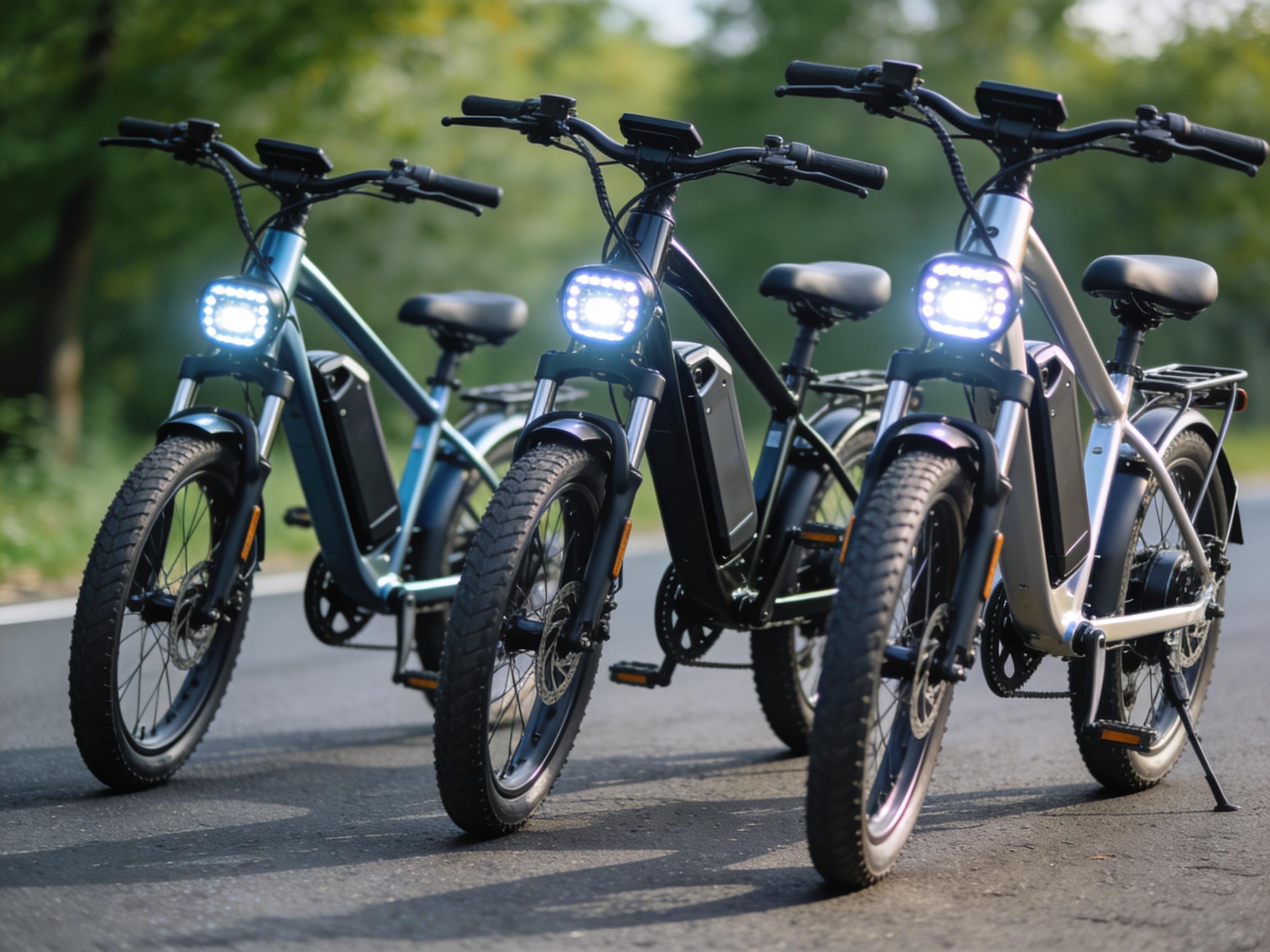
What to Expect at This Price Point
At $500 and below in the US, you’re shopping the entry-level tier. You can absolutely find rideable electric bikes here, but they’re pared down compared with $800–$1,500 models. Expect the following realities:
- Motor and speed: 250–350W rear hub motors are common. Many are Class 2 with a throttle and a 20 mph cap, but some cap closer to 15–18 mph depending on battery voltage and controller limits.
- Battery and range: Typical packs are 36V with 7.5–10Ah (270–360Wh). Real-world range is roughly 10–25 miles depending on rider weight, terrain, wind, and assist level. Detachable batteries are less common but exist.
- Frame and components: Steel or basic aluminum frames; mechanical disc or rim brakes; cadence sensors (not torque); 6–7 speed drivetrains if it has gears at all. Folding minis often use 14"–16" wheels for portability but sacrifice ride comfort.
- Weight: 35–55 lb. Lighter than many mid-tier bikes but still substantial if you carry it upstairs.
- Comfort and accessories: Minimal suspension, basic saddles, and fewer included accessories. Fenders, rear racks, and integrated lights may be missing or fairly basic.
- Warranty and support: Shorter warranties (often 6–12 months on electronics), modest support, and mixed documentation. Stick with sellers that publish clear policies and parts availability.
For deeper context on what reviewers consider “budget-friendly” today, compare notes with independent roundups like Ebike Escape’s affordable picks and Electric Bike Report’s budget list. For a brand perspective, see TST Ebike’s 2026 budget overview and Victrip’s look at sub-$500 buys. You can also take the temperature of real owners in this community discussion thread.
Best Budget Picks Worth Considering
Below are popular models you’ll often find at or under $500, especially on sale. Always confirm the exact variant, battery size, and seller policy before purchasing.
- Jetson Bolt Pro (14" folding mini): Frequently $299–$399 at big-box stores. Compact, easy to stow, and simple to maintain. Limited hill-climbing power and small wheels mean it’s best for short, flat commutes.
- Kent Torpedo/Kent 27.5" e-MTB (Walmart): Often $398–$498. Geared rear hub with basic components, suitable for neighborhood rides and light paths. Assembly and tuning matter for safe braking and shifting.
- GoTrax EBE1 (folding commuter): Commonly lands right at $499 during promotions. Good value for apartment dwellers. Check the battery capacity and confirm whether the pack is removable.
- TotGuard 26"/27.5" commuter: $329–$439 on frequent Amazon deals. Decent entry for paved routes; verify wheel size, brake type, and display features as listings vary.
- DYU D3F/DYU C2 (14" compact): $299–$399 typical sales. Minimalist, fun around town, light duty only. Expect basic brakes and a single speed.
- VIVI 26" city/comfort e-bike: $449–$499 on sale. Often ships with fenders and a rack; good for errands but watch total payload ratings and spoke tension.
- ANCHEER 350W commuter or 12" mini: $279–$499 depending on model. One of the most common entry brands; quality varies by batch—buy from a reputable seller and read recent owner reviews.
- Hyper E-Ride 700c city bike (Walmart): About $398. Low-slung frame for easy mounts; expect conservative acceleration and basic controls.
- Sailnovo 14" compact: $279–$379 on sale. Handy for short hops and last‑mile rides. Limited cargo capability.
- Miclon Cybertrack 100: Regularly seen near $499 on promotion. Geared hub, simple display, and enough assist for urban rides with modest hills.
Where to Buy Electric Bikes Online
If you’re aiming under $500, smart sourcing is half the battle. These channels routinely show the best prices in the US:
- Major retailers: Amazon, Walmart, Target, Best Buy, and Costco run regular promos and simpler returns. Search exact model names and sort by “Sold by” to avoid gray-market listings.
- Brand-direct stores: GoTrax, DYU, Ancheer, and similar sites offer bundles and coupon codes. Ensure the warranty is US-honored and that parts ship domestically.
- Refurb/open-box outlets: Retailer clearance sections and manufacturer refurb pages can dip below $500 for higher-tier bikes. Confirm battery health and return windows.
- Local pickup via online marketplaces: Facebook Marketplace, Craigslist, and OfferUp can be goldmines. Meet in public, test-ride, check the battery date, and verify the charger works before paying.
Before checkout, scan expert roundups to confirm your short list is legit. See resources like this widely read value overview and this budget e-bike guide for cross-reference.
Price Snapshot: Real Models You’ll See Under $500
| Model | Typical Sale Price (USD) | Where You’ll See This Price |
|---|---|---|
| Jetson Bolt Pro (14" Folding) | $299–$399 | Walmart, Target, Costco |
| Kent Torpedo / 27.5" E‑MTB | $398–$498 | Walmart |
| GoTrax EBE1 (Folding) | $449–$499 | GoTrax Store, Best Buy |
| TotGuard 26"/27.5" City | $329–$439 | Amazon |
| DYU D3F / C2 (14" Compact) | $299–$399 | Amazon, Brand Store |
| VIVI 26" City/Comfort | $449–$499 | Amazon |
| ANCHEER 350W Commuter | $369–$499 | Amazon |
| ANCHEER 12" Mini | $279–$369 | Amazon |
| Hyper E‑Ride 700c City | ~$398 | Walmart |
| Sailnovo 14" Compact | $279–$379 | Amazon |
| Miclon Cybertrack 100 | $469–$499 | Amazon |
Note: Prices change frequently and vary by color, battery size, and region. Always verify the exact SKU at checkout.
Hidden Costs (and How to Avoid Them)
Entry-level e-bikes keep sticker prices low by trimming accessories and service. Avoid surprises with these tips:
- Shipping and oversized fees: Some sellers add $30–$80 at checkout. Look for free shipping codes or buy from retailers with free/flat-rate freight.
- Assembly and tools: Budget $0–$100 if you need a shop to finish setup. To DIY, you’ll want hex wrenches, a torque wrench, bike grease, and a tire pump with a gauge.
- Essential accessories: Budget-friendly bikes may lack fenders ($20–$40), rack ($25–$50), front/rear lights ($20–$60), kickstand ($10–$20), and bell/mirror ($10–$25). Buying a bundle often costs less.
- Security: A decent U‑lock or folding lock ($40–$90) is a must in US cities. Add a frame/seatpost cable if you park outside.
- Consumables: Tubes/tires wear faster with motor assist. Keep spare tubes ($10–$15 each) and a patch kit ($5–$10). Cheap mechanical discs may need brake pads ($10–$20) sooner than you expect.
- Battery replacement: Smaller packs are cheaper but still meaningful: $120–$250 for many budget brands. Before buying, confirm that replacements are available from the seller and that connectors match.
- Return shipping: If you don’t like it, you might pay $50–$150 to ship back a 40–55 lb box. Favor retailers with prepaid returns or local drop-off options.
- Local rules: Many US areas allow Class 1/2 on bike paths, but throttle rules differ. Fines and confiscations are rare but possible—know your city’s rules before you ride.
How to Maximize Value Under $500
- Target sales windows: Memorial Day, July 4th, Labor Day, Black Friday/Cyber Monday, and back-to-school often bring the deepest cuts.
- Verify specs line by line: Check battery Wh, motor wattage (sustained, not peak), included accessories, payload rating, and whether the battery is removable.
- Prioritize support: Choose sellers with clear email/phone support, a parts catalog, and published warranty terms. Screenshots of the listing and order details help with future claims.
- Dial in the fit: Smaller folding bikes ride very differently than 26"/27.5" commuters. If you’re over 5'10", check handlebar/stem height and seatpost max marks carefully.
- Protect the battery: Store between 50–80% charge when idle, avoid extreme heat/cold, and use the included charger. These habits extend useful life and preserve range.
With realistic expectations and smart shopping, an e-bike under $500 can be a fantastic first step into assisted riding. You’ll trade away premium components and long-range batteries, but you’ll still get the freedom to flatten hills, shrink commute times, and ride more often—without flattening your wallet.