Ready to SAVE BIG on Dental Implants!? Smart patients across the U.S. are unlocking major savings without sacrificing quality. Learn the strategies, locations, and timing tricks that can shave thousands off your treatment.
Why People Love Dental Implants
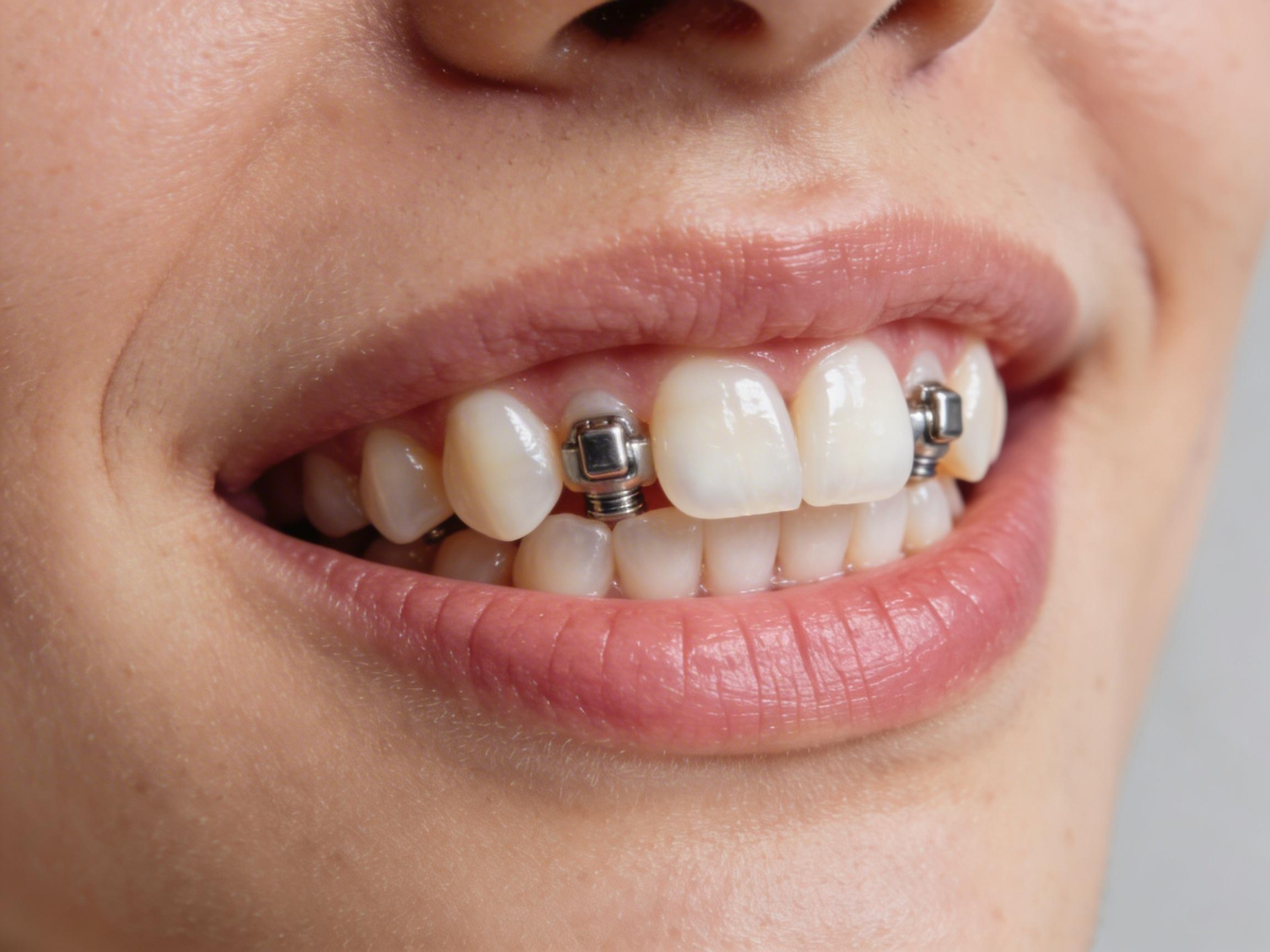
Dental implants are celebrated because they look, feel, and function like natural teeth—often for decades. Unlike bridges or partials, implants integrate with your jawbone, protecting bone density and facial structure, which helps maintain a youthful appearance and stable bite. Their success rates remain among the highest in dentistry when properly planned and maintained, and day-to-day care is as simple as brushing, flossing, and routine cleanings. Best of all, while the upfront cost can seem higher, implants can be the most economical path over time because they outlast most alternatives, reduce future dental work on neighboring teeth, and streamline your oral care routine.
Where to Get Dental Implants
Finding a high-value provider is step one in saving big. In the U.S., you have several strong options:
- Specialist practices: Oral surgeons and periodontists place implants routinely and often use advanced planning tools (CBCT scans, guided surgery). Pairing a specialist placer with a prosthodontist or restorative dentist can sometimes lower costs if each office offers efficient fee structures.
- Full-service implant centers: These clinics handle surgery and restoration under one roof, which can reduce appointments and bundle fees. Always request itemized quotes so you can compare apples to apples.
- Dental school clinics: Teaching institutions provide care supervised by faculty at significantly reduced fees. Appointments take longer, but the savings can be 30–60% versus private practice.
- Community clinics and DSOs: Some community health centers and large dental groups run seasonal promotions or offer in-house savings plans and financing.
- Regional deals worth a look: Competitive markets frequently advertise specials. For example, some patients in Michigan report substantial markdowns; see this Detroit-area resource: Save 30% on Dental Implants in Detroit.
If you’re flexible on location, shopping quotes across nearby cities can reveal hundreds to thousands in savings—especially in markets with multiple implant providers competing on price and convenience.
How to Find Dental Implants on a Budget
Stretch your dollars further without cutting corners on safety or durability. Use these proven tactics:
- Collect 3–5 itemized quotes: Ask for a written treatment plan that lists each component (CBCT scan, extraction, bone graft, implant, abutment, crown) along with ADA codes. True comparisons are impossible without itemization.
- Leverage educational resources: Get practical, patient-first cost strategies from guides like Affordable Dental Implants: Top 10 Tips to Save Money and this actionable list of discounts and membership plans: 10 Ways to Save on Cheap Implants for Teeth.
- Ask about bundled pricing: Many clinics will reduce total cost when surgery and restoration are done in one office. Bundles also simplify scheduling and warranty terms.
- Consider generic components: FDA-cleared, reputable “value” implant brands and zirconia or metal-ceramic crowns can cut the bill while delivering excellent clinical results.
- Join an in-house membership plan: Practices often extend 10–20% savings to members and discount diagnostics, grafting, and follow-ups.
- Use dental savings plans: Discount programs (not insurance) can offer negotiated fee schedules right away—useful if you lack coverage.
- Maximize insurance, FSA, and HSA: Dental PPOs may cover portions of diagnostics, extractions, and crowns. Combine employer FSA and personal HSA allocations across calendar years for tax-advantaged savings.
- Time your treatment: Clinics sometimes run end-of-quarter or year-end specials. Scheduling during slower seasons can unlock promotional pricing.
- Negotiate respectfully: Bring written competitive quotes. Ask whether a cash prepay discount, senior/veteran rate, or no-interest financing is available.
- Choose mini implants selectively: Minis can be budget-friendly for stabilizing dentures; your dentist will advise if anatomy and bite forces make them a fit.
US Implant Cost Benchmarks and Savings
Below is a clean snapshot of typical U.S. price ranges so you can benchmark quotes. Your final fee will vary by anatomy, materials, sedation choice, and market competition.
| Option | What’s Included | Typical US Price |
|---|---|---|
| Single implant (fixture only) | Titanium implant body placement | $1,000–$2,000 |
| Abutment + crown | Custom abutment and porcelain/zirconia crown | $1,500–$3,500 |
| Single-tooth total | Implant + abutment + crown | $3,500–$6,500 |
| Mini implant (per implant) | Narrow-diameter implant for denture stabilization | $500–$1,500 |
| All-on-4/Full-arch (per arch) | 4–6 implants + fixed hybrid bridge | $15,000–$30,000 |
| Bone graft (per site) | Socket preservation or ridge graft | $300–$1,200 |
| CBCT scan | 3D imaging for surgical planning | $150–$350 |
| IV/Oral sedation | Sedation services during surgery | $250–$800 |
Pro tip: Use the “single-tooth total” line as a quick quote check. If your city’s quotes are 10–20% higher, you can often save by getting a competing estimate nearby or at a dental school clinic.
Most Affordable Dental Implants: What To Expect
Low price alone doesn’t guarantee value. To land the most affordable dental implants that still perform long term, focus on the total package—planning, parts, placement, and protection.
- Prioritize diagnostics and planning: A thorough exam with 3D imaging reduces surprises and rework. Skipping scans to save $200 can cost thousands later.
- Choose proven systems: Value brands with strong U.S. distribution keep parts accessible for decades. Ask about component warranties and lab turnaround times.
- Confirm surgeon experience: High-volume implant teams maintain efficiency and often pass savings along through streamlined workflows.
- Scrutinize “too good to be true” ads: A teaser price may exclude abutment, crown, grafting, or sedation. Demand a complete, written out-the-door cost.
- Focus on lifetime value: Reliable implants can outlast bridges and dentures, slashing future retreatment. For a deeper dive on how implants can beat other options in total cost of ownership, see How Dental Implants Can Save You Money Over Time and this perspective: Can Dental Implants Save You Money in the Long Run?
Action Plan to SAVE BIG on Dental Implants—Step by Step
- Step 1: Gather options in your metro and a nearby Columbus. Shortlist 6–8 providers spanning specialist offices, full-service centers, and a dental school clinic.
- Step 2: Request fully itemized quotes and timelines. Clarify components, surgery date availability, brand names, and what’s covered in warranties and maintenance.
- Step 3: Ask for bundle and membership pricing. Combine placement and restoration, enroll in in-house plans, and stack any seasonal promos.
- Step 4: Optimize payment. Use FSA/HSA funds, negotiate a cash prepay discount, and consider 0% promotional financing to spread costs without interest.
- Step 5: Choose value—not just the lowest sticker. Favor teams with strong planning, quality parts, and clear aftercare. The right choice minimizes redo risk and maximizes comfort.
Bottom Line
You can absolutely SAVE BIG on Dental Implants in the U.S. by combining smart provider selection, transparent apples-to-apples quotes, strategic timing, and cost-friendly materials—without compromising safety or longevity. Use the table above to benchmark fair pricing, then apply the budget tactics and resources linked here to negotiate confidently. With a little planning, your most affordable dental implants can also be your best, lasting solution.