Food prices are squeezing budgets, and many older adults want to know if Medicare can help in 2026. Some plans still offer monthly or quarterly healthy food allowances, but the rules and amounts changed. Discover who may qualify, which plans to check, and how to verify what’s available near you.
2026 Snapshot: What Changed With Grocery Benefits
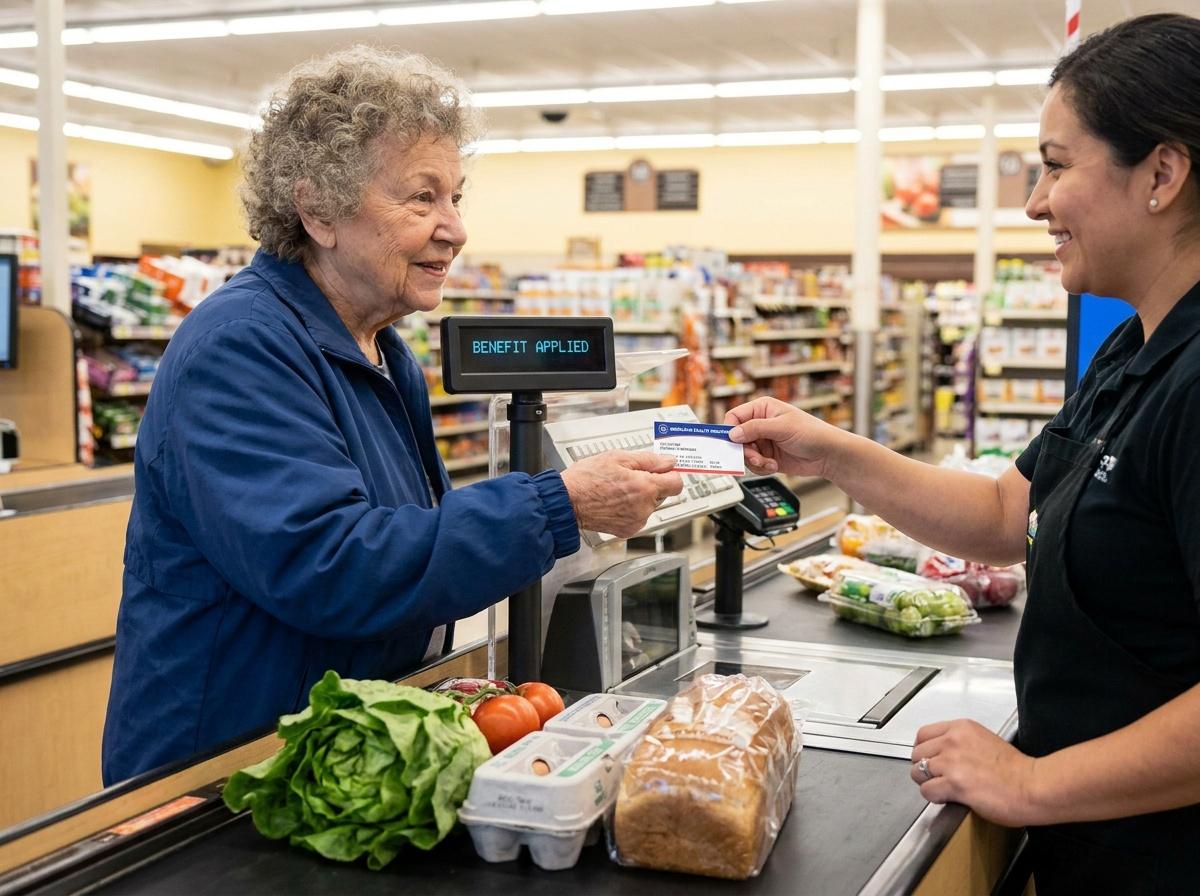
In 2026, “grocery cards” did not disappear entirely, but they became less common as plans refined what qualifies as a supplemental benefit and how allowances are delivered. Many insurers shifted toward targeted healthy food, produce, and meal support under Special Supplemental Benefits for the Chronically Ill (SSBCI), or packaged them into multi-purpose “flex” allowances that can be used for groceries, utilities, or transportation depending on a member’s needs. For a plain-English overview of the benefit and how it typically works, see The Medicare Grocery Allowance: What It Is and How to Get It.
At the same time, industry observers note why broad, no-strings “grocery cards” largely faded this year, including regulatory tightening and an emphasis on condition-specific, outcomes-based benefits. For perspective on that shift, review Why Medicare Grocery Cards Largely Disappeared in 2026. And for other policy changes that may affect your coverage and costs this year, check 8 Changes Shaping Your Medicare Coverage in 2026.
Which Medicare Plans May Offer Food and Grocery Allowances
Not every Medicare plan can or will offer grocery benefits. Understanding which plans may include them helps you focus your search:
- Original Medicare (Parts A & B): Does not cover groceries or food allowances.
- Medigap (Medicare Supplement): Fills cost gaps in Original Medicare; does not include food benefits.
- Medicare Advantage (Part C): Some plans may offer healthy food or meal allowances as supplemental benefits, especially when tied to chronic conditions or social needs. Details vary by plan and county. For an overview of how Medicare Advantage grocery benefits are structured and what they may cover, see Medicare Food and Grocery Allowance Benefits.
- Dual-Eligible Special Needs Plans (D-SNPs): Designed for people with both Medicare and Medicaid; more likely to include a grocery, meal, or “healthy foods” card.
- Chronic Condition SNPs (C-SNPs): May include SSBCI-based food supports tailored to a qualifying chronic illness (e.g., diabetes, CHF).
Who May Qualify for Supplemental Benefit Programs
Eligibility can depend on the plan type, your health status, and social risk factors:
- Chronic Conditions: Many grocery or meal supports are SSBCI benefits targeted to specific illnesses (e.g., diabetes, COPD, CHF) when food access directly impacts outcomes.
- Dual Eligibility: People with both Medicare and Medicaid (D-SNP members) often see higher or more flexible allowances.
- Post-Discharge Needs: Short-term home-delivered meals after a hospital or skilled nursing stay may be covered under certain supplemental benefits.
- Social Needs Screening: Some plans require a health risk assessment (HRA) showing food insecurity or nutrition risk to unlock the benefit.
- Care Management Participation: Enrollment in disease or case management programs may be required to receive or maintain the allowance.
Keep in mind that benefit dollar amounts, store networks, eligible items, and activation steps vary widely among carriers and counties. When you compare plans, look for exact terms such as “healthy food allowance,” “meal benefit,” “flex card for groceries,” or “SSBCI food support.”
What These Cards Typically Cover (and Don’t)
Grocery cards and allowances are usually time-limited and category-specific. Confirm the plan’s eligible-item list before you shop. As a general rule:
- Often Covered: Fresh fruits and vegetables, lean proteins, whole grains, dairy, pantry staples, and medically tailored meals.
- Sometimes Covered: Frozen meals labeled healthy, nutrition shakes when medically indicated, or combined OTC-and-food allowances (plan-specific).
- Not Covered: Alcohol, tobacco, pet food, vitamins or OTC items (unless explicitly part of a combined benefit), hot prepared foods, or delivery fees in many programs.
For a deeper look at permitted items and how to use the card, review RetireGuide’s explainer on grocery benefits and U.S. News’ overview.
How to Check Available Benefits in Your Area
Verifying local benefits is essential because offerings change by county and plan:
- Use Medicare’s Plan Finder: Search your ZIP code, then open a plan’s Summary of Benefits and Evidence of Coverage to find “healthy food,” “meals,” or “flex allowance” details.
- Call the Plan Directly: Ask for 2026 grocery/food benefit specifics, eligible items, retailer networks, and card activation steps.
- Speak With a Licensed Agent or SHIP: A local broker or State Health Insurance Assistance Program (SHIP) counselor can compare plans in your county and clarify eligibility.
- Confirm Enrollment Triggers: Some allowances start only after completing an HRA or enrolling in disease management—ask how to activate.
- Document Your Needs: If food access affects your health, ask your clinician for notes that support SSBCI eligibility.
For plain-language application pointers, see how to apply for a Medicare food allowance. For context on benefit structures and 2026 shifts, review AARP’s 2026 Medicare changes.
Sample 2026 Allowance Ranges and Premiums (Illustrative)
The examples below show common patterns seen in select metro areas. Your county’s options may differ. Always verify the latest Summary of Benefits.
| Carrier & Plan Type | City/State | Example Allowance & Est. Premium |
|---|---|---|
| Humana D-SNP | Miami, FL | Up to $100/mo healthy food; ~$0 premium |
| UnitedHealthcare Dual Complete (D-SNP) | Los Angeles, CA | Up to $125/mo food/flex; ~$0 premium |
| Aetna D-SNP | Phoenix, AZ | Up to $75/mo groceries; ~$0 premium |
| Wellcare D-SNP | Dallas, TX | Up to $100/mo food; ~$0 premium |
| Anthem (Elevance) D-SNP | Chicago, IL | Up to $90/mo groceries; ~$0 premium |
| Blue Shield of California C-SNP | San Diego, CA | Up to $50/mo healthy foods; ~$0–$25 premium |
| Kaiser Permanente MA | Portland, OR | Targeted food/meal support; ~$0–$40 premium |
| Molina Dual Options (D-SNP) | Houston, TX | Up to $100/mo food; ~$0 premium |
| Devoted Health MA | Tampa, FL | Up to $75/mo healthy foods; ~$0 premium |
| Alignment Health C-SNP | Las Vegas, NV | Up to $60/mo groceries; ~$0–$20 premium |
Note: Amounts are illustrative examples based on common ranges seen in recent plan materials; actual 2026 benefits and premiums vary by plan and county. Always confirm with the carrier.
Action Steps to Maximize Your Benefit
- Start With Your ZIP Code: Shortlist Part C plans that explicitly list “healthy food,” “meals,” or “flex” benefits in their 2026 Summary of Benefits.
- Check Eligibility Gates: Ask whether you need a chronic-condition diagnosis, HRA, or enrollment in a care program to unlock the allowance.
- Verify the Retail Network: Make sure your preferred grocery stores accept the card and confirm any delivery options and fees.
- Know the Schedule: Learn whether funds load monthly or quarterly and when unused dollars expire.
- Pair With OTC Wisely: If your plan offers a combined OTC-and-food allowance, track each category to avoid declines at checkout.
Common Pitfalls and How to Avoid Them
- Assuming Every MA Plan Has It: Many strong plans skip grocery benefits to invest in other extras. Always read the fine print.
- Confusing Meals With Groceries: Some plans cover home-delivered meals but not grocery cards—ask specifically what’s included.
- Buying Ineligible Items: Hot foods, alcohol, and non-food goods often trigger declines. Keep the approved-items list handy.
- Missing Activation Steps: Cards sometimes require an HRA, welcome call, or program enrollment. Complete these promptly.
- Ignoring County Differences: A benefit in a neighboring county may not be in yours. Compare using your exact ZIP code.
Quick FAQs
- Does Original Medicare pay for groceries? No. Food allowances are supplemental benefits offered by some Medicare Advantage plans.
- Who’s most likely to qualify? Dual-eligible members (D-SNP) and people with qualifying chronic conditions tied to SSBCI benefits.
- How much can I get? Amounts vary widely—often $50–$125 per month in plans that offer it, but always check your county’s plans.
- Where can I learn more? Start with U.S. News’ grocery allowance explainer, see RetireGuide for coverage details, read why many broad grocery cards faded in 2026, and review AARP’s 2026 changes. For application tips, see this how-to on applying.
By focusing on the right plan types, confirming eligibility, and checking your county’s options carefully, you can determine whether a 2026 Medicare Advantage plan in your area includes a healthy food or grocery allowance—and how to make every dollar count.