Earn compensation while helping advance addiction science. New 2026 studies blend at-home tech with clinic visits for more flexible participation. See how to qualify, what you’ll do, and how pay works before you volunteer.
How Substance Use Research Studies Typically Work
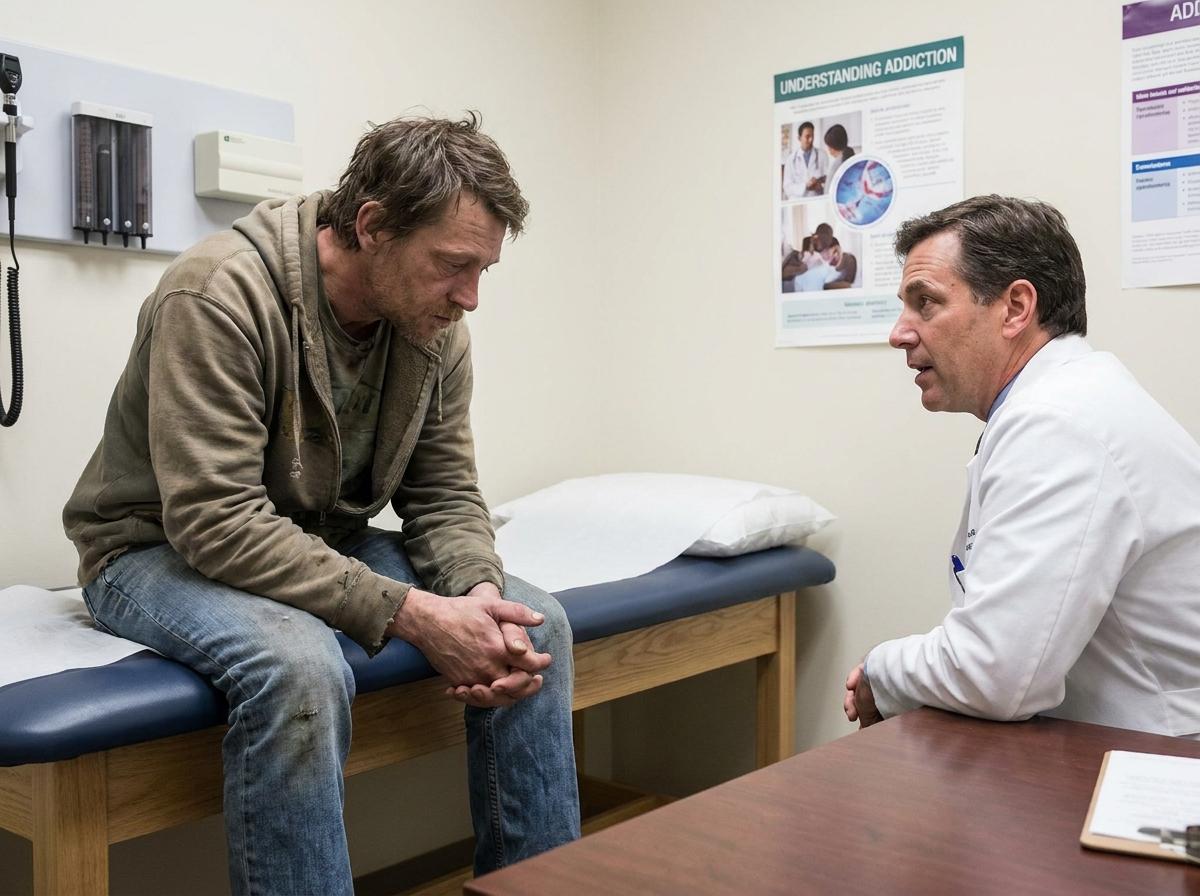
Substance use research in the United States spans medication trials, behavioral therapies, digital health tools, and neuroimaging. In 2026, many programs combine in-person care with secure telehealth and remote monitoring to reduce travel burden and reach more participants. While each protocol is unique, most studies follow a predictable path:
- Initial Interest and Pre‑Screen: You submit a brief form or call a study team. A coordinator asks basic questions about age, substances used, health conditions, and medications to see if a full screen is appropriate.
- Informed Consent: Before any procedures, a licensed researcher explains the purpose, risks, benefits, alternatives, privacy protections, and payment schedule. You can ask questions and you may withdraw at any time without penalty.
- Screening Visit(s): You may complete questionnaires, medical history, lab work (e.g., urine or breath tests), vitals, and sometimes ECG or imaging. Screening confirms eligibility and safety to participate.
- Enrollment and Randomization: If eligible, you’re assigned to a study group (for example, medication vs. placebo, or two different therapies). In many trials, assignment is blinded so neither you nor the staff knows your group until the study ends.
- Active Participation: Expect weekly or biweekly visits, brief telehealth check‑ins, and use of study apps or wearable devices. Procedures may include counseling sessions, medication management, craving assessments, and periodic biospecimen collection.
- Follow‑Up: After the main phase, there’s usually a safety check and final surveys. Some trials include longer-term follow-up by phone or secure video.
A key point: clinical research is not the same as treatment, though many trials include evidence‑based care. Staff will provide resources and referrals when needed, and emergency support is always available during on‑site procedures.
Eligibility Requirements and What Participants Can Expect
Eligibility keeps participants safe and ensures the research answers the right questions. Common inclusion criteria for substance use studies include minimum age (often 18+), specific patterns or diagnoses (e.g., moderate to severe alcohol or opioid use disorder), and stable housing or phone access for remote check‑ins. Common exclusion criteria include conditions that add risk or could confound results.
- Typical Inclusion Criteria: Age within the study’s range; current or recent use of a specific substance; willingness to attend visits and comply with procedures; ability to provide informed consent; in some trials, interest in reducing or stopping use.
- Typical Exclusion Criteria: Uncontrolled medical or psychiatric conditions; certain medications that interact with a study drug; pregnancy or breastfeeding where safety data are limited; current participation in another interventional study.
- What You’ll Do: Fill out standardized questionnaires; provide urine/breath/blood samples as needed; meet with clinicians; possibly take an FDA‑regulated medication or a placebo; complete therapy modules (in person or online); wear a passive monitor or use a study app to track mood, cravings, or sleep.
- Safety and Oversight: An Institutional Review Board (IRB) reviews every protocol. Many addiction studies also have independent safety monitors who track adverse events.
Time on study ranges from a single visit to several months, with most outpatient substance use trials running 4–16 weeks plus follow‑up. Study teams share a visit calendar up front so you can plan around work, school, and family obligations.
Understanding Compensation, Time Commitments, and Privacy for Substance Abuse Trials
Compensation reimburses you for time, travel, and inconvenience. Amounts vary by location, visit length, procedures, and overnight stays. Payment is commonly provided through prepaid debit cards, direct deposit, or gift cards, and may include travel vouchers or parking. You’ll receive a written payment schedule before you consent, including any prorated payments if you withdraw early.
- Typical Time Commitments: 1–3 hours per weekly visit; occasional half‑day lab sessions; brief remote check‑ins (5–15 minutes); optional follow‑ups at 1–6 months.
- Bonuses and Milestones: Some studies add completion bonuses for finishing key visits. A subset use contingency management, which may offer incentives linked to negative drug screens or appointment adherence—this will be disclosed in consent.
- Taxes: If total payments reach IRS reporting thresholds, you may be asked to complete a W‑9 and could receive a 1099. Keep your own records for tax season.
- Privacy and Confidentiality: Your data are protected under HIPAA where applicable. NIH‑funded studies often use Certificates of Confidentiality, which add legal protections for identifiable data. Limits to confidentiality apply in rare cases (e.g., imminent harm); these are explained during consent.
| Organization & Location | Common 2026 Study Types | Typical Participant Compensation (USD) |
|---|---|---|
| UC San Diego Health — La Jolla, CA | Medication trials, neuroimaging, digital CBT | $75–$150 per visit; $500–$2,000 total |
| Rutgers Addiction Research — New Brunswick & Newark, NJ | Outpatient counseling + meds; lab studies | $50–$120 per visit; $300–$1,200 total |
| NIAAA (NIH) — Bethesda, MD | AUD inpatient/outpatient, brain imaging | $0–$250 per visit; $600–$3,000 total incl. travel support |
| University of California Health — Multiple CA Campuses | Tobacco/vaping, opioid use, stimulants | $50–$100 per visit; $250–$1,500 total |
| CenterWatch Listings — Nationwide | Opioid, cocaine, cannabis, alcohol studies | $40–$100 per visit; $300–$1,000 total |
| Independent Research Sites — Major US Cities | Contingency management, pharmacotherapy | $50–$125 per visit; $300–$1,500 total |
| Academic Medical Centers — e.g., Boston, Chicago | Brain imaging, combined therapy + meds | $75–$200 per visit; $500–$2,500 total |
Note: Ranges are illustrative and vary by protocol; always confirm exact amounts and schedules with the study coordinator before consenting.
Where to Find Paid 2026 Substance Use Studies
You can browse reputable, frequently updated portals for open trials, learn eligibility, and quickly contact coordinators:
- University of California Health: Explore multi-campus opportunities across California for alcohol, opioid, stimulant, and nicotine studies: Substance Abuse clinical trials at University of California Health.
- UC San Diego (2026 Focus): See active and upcoming UCSD studies emphasizing modern hybrid designs and digital engagement: UCSD Substance Abuse Clinical Trials for 2026.
- Rutgers Addiction Research: View open calls for participants at Rutgers sites in New Jersey: Clinical Trials Seeking Participants.
- NIAAA (NIH): Federal research opportunities with strong privacy protections and potential travel support: Join a Study.
- CenterWatch: A national directory to filter by substance, city, and study phase: Substance Abuse Clinical Research Trials.
Smart Steps to Enroll Safely and Confidently
Enter studies with clear expectations and a plan that fits your life.
- Match Your Goals: If you want to cut down rather than quit, choose trials that accept reduction goals. Clarify this with the coordinator up front.
- Confirm Logistics: Ask for total visit count, expected minutes per visit, remote options, and any overnight stays. Verify parking, transit vouchers, and childcare alternatives if needed.
- Understand Risks and Alternatives: Request plain‑language summaries of side effects, drug interactions, and what treatment you could receive outside of the study.
- Get the Payment Schedule in Writing: Note amounts per visit, bonuses, pro‑rated withdrawal terms, and payout method (card, direct deposit, gift card).
- Protect Your Privacy: Ask how your data are stored, who can access them, and whether the study holds a Certificate of Confidentiality. Confirm how wearables/app data are encrypted and de‑identified.
- Keep Documentation: Save consent forms, visit calendars, and payment statements; they help with taxes and personal records.
FAQs for US Participants in 2026
- Can I be in treatment and a study at the same time? Often yes, but it depends on the protocol. Disclose all counseling and medications so the team can assess eligibility and safety.
- Do I need insurance? Typically no. Research procedures related to the study are covered by the sponsor; usual medical care outside the protocol follows your standard coverage.
- Will I definitely get active medication? Not always. Some trials include placebos or compare different active treatments. You’ll learn your group assignment after the study ends if it’s blinded.
- What if I miss a visit? Tell the coordinator quickly. Many studies can reschedule, but missed visits may affect compensation if the payment is tied to visit completion.
- Is my participation confidential? Yes, within legal and ethical limits explained during consent. Research teams follow HIPAA where applicable and IRB‑approved privacy plans.
Paid research studies for substance abuse in 2026 are more flexible, tech‑enabled, and participant‑centered than ever. By reviewing eligibility carefully, confirming time and pay up front, and using trusted portals like the University of California Health network, Rutgers, NIAAA, and CenterWatch, you can contribute to impactful science while being fairly compensated and protected.