Worried about bulging, dry, or irritated eyes? Learn what causes thyroid eye disease, how to spot symptoms early, and which treatments really work. Find out practical steps to protect your vision and comfort.
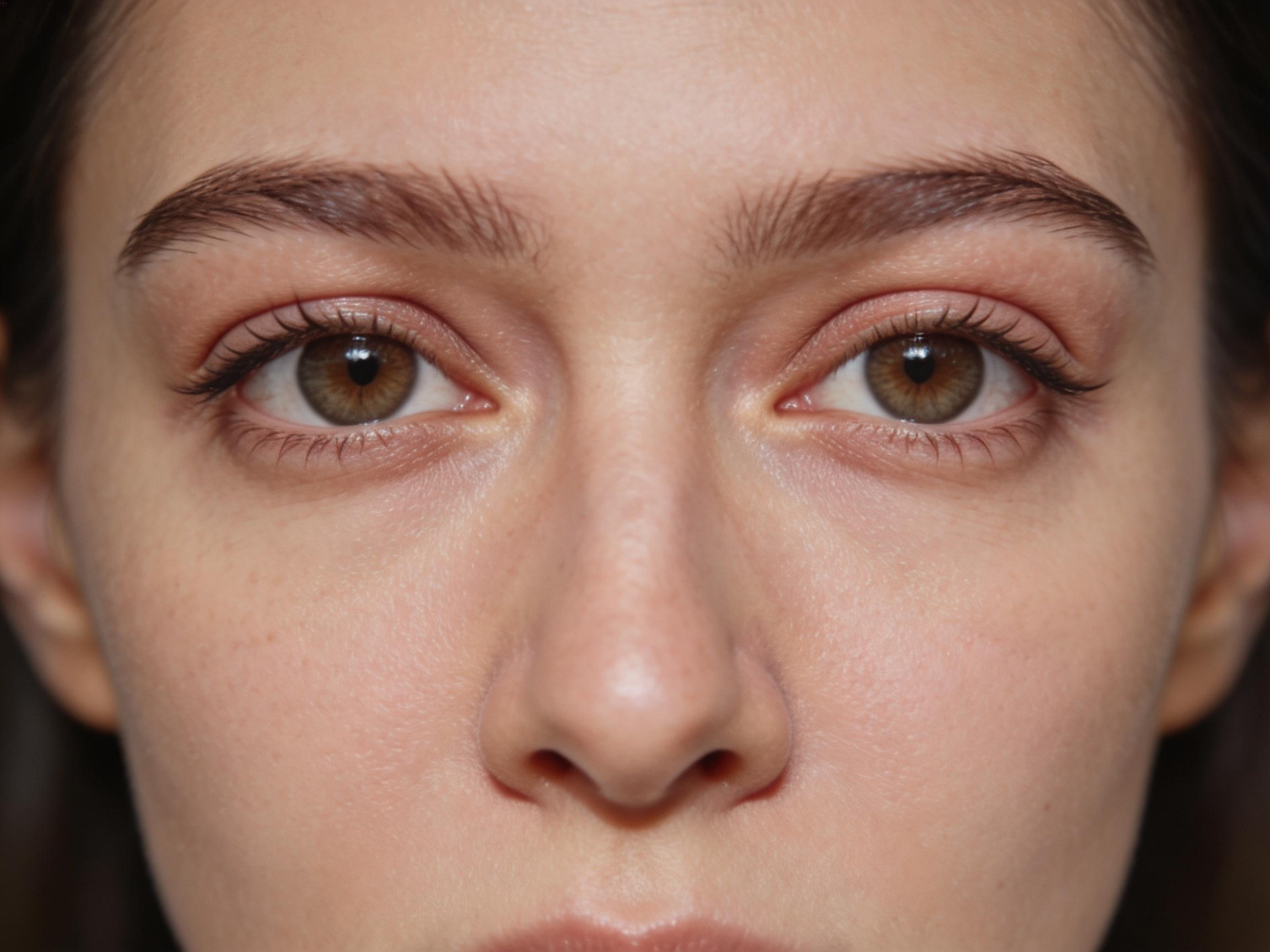
What is Thyroid Eye Disease?
Thyroid eye disease (TED), also called Graves’ ophthalmopathy or thyroid-associated orbitopathy, is an autoimmune condition in which the body’s immune system mistakenly targets tissues behind and around the eyes. This immune activity inflames the muscles and fat within the eye sockets, leading to symptoms such as eyelid retraction, redness, tearing, eye bulging (proptosis), and sometimes double vision or vision loss. TED most commonly occurs with Graves’ hyperthyroidism, but it can also develop in people with normal thyroid levels or hypothyroidism.
Inflammation in TED often follows a two-phase pattern. The “active” phase features inflammation and changing symptoms over months, followed by an “inactive” or stable phase where inflammation quiets but structural changes may persist. Understanding this time course helps clinicians choose the right therapy at the right time. For a concise overview written by eye specialists, see Thyroid Eye Disease (Graves' Ophthalmopathy). Clinician-focused detail is available from the team at Eyes On Eye Care: The Ultimate Guide to Thyroid Eye Disease.
Thyroid Eye Disease Symptoms
TED can be subtle at first. Seek care promptly if you notice:
- Ocular surface irritation: dryness, burning, grittiness, tearing, or light sensitivity.
- Eyelid changes: upper-lid retraction (a “staring” look), swelling, or difficulty fully closing the eyes.
- Redness and pain: especially pain or pressure behind the eyes or pain with eye movements.
- Bulging eyes (proptosis): one or both eyes appearing more prominent.
- Double vision (diplopia): due to inflamed or stiffened eye muscles.
- Color desaturation or dim vision: possible signs of optic nerve compression in severe cases.
- Headaches and sleep disruption: from exposure-related discomfort.
Red flags needing urgent evaluation include reduced color vision, worsening blurred vision, severe eye pain, and inability to close the eyes fully.
How to Prevent Thyroid Eye Disease
While no strategy guarantees prevention, several steps reduce risk and severity:
- Do not smoke: Smoking is the strongest modifiable risk factor for TED onset and progression. Quitting improves treatment response and outcomes.
- Stabilize thyroid levels: Work closely with your endocrinologist to achieve and maintain euthyroidism (normal levels). Fluctuations can worsen eye inflammation.
- Radioactive iodine (RAI) considerations: If RAI is used for Graves’ disease, your physicians may recommend short-term steroid prophylaxis to lower TED risk—especially for current or former smokers. Discuss this beforehand.
- Protect the ocular surface: Use lubricating drops, consider humidifiers, take screen breaks, and wear wraparound sunglasses in wind or bright light.
- Nutrients and wellness: Selenium supplementation may help in mild, active TED where deficiency is common; ask your doctor if it’s appropriate for you.
For evidence-based prevention and management principles, review the international guidance in the 2022 consensus statement: Consensus Statement on Management (2022).
Diagnosis and Staging
An eye-care professional—ideally an oculoplastic/orbital specialist or neuro-ophthalmologist—will assess:
- Clinical Activity Score (CAS): rates signs of active inflammation (pain, redness, swelling).
- Severity: evaluates impact on vision, cornea, proptosis, and double vision to guide therapy intensity.
- Imaging: CT or MRI of the orbits helps confirm muscle enlargement, fat expansion, or optic nerve crowding.
- Labs: thyroid function tests and thyroid-stimulating immunoglobulins support the diagnosis and systemic management.
Professional frameworks for staging and treatment timing are summarized in the same Consensus Statement on Management (2022) and the clinician resource from Eyes On Eye Care: Ultimate Guide to Thyroid Eye Disease.
Remedy Options for Thyroid Eye Disease
Treatment is individualized based on activity and severity, coordinated between endocrinology and ophthalmology. Options include:
- Supportive care (any stage): Preservative-free artificial tears, nighttime ointments, moisture goggles, head-of-bed elevation, and selenium where appropriate. Temporary prisms can help double vision; an eye patch may relieve symptoms.
- Medical therapy (typically active disease):
- Intravenous steroids: Pulsed methylprednisolone can quickly reduce inflammation and soft-tissue congestion.
- Teprotumumab (Tepezza): An IGF-1R inhibitor FDA-approved for TED. It can reduce proptosis and double vision in many patients.
- Immunomodulators: Mycophenolate, and in selected steroid-resistant cases, tocilizumab or rituximab, may be considered by subspecialists.
- Orbital radiotherapy: Low-dose radiation can help inflammation and motility issues in active, moderate disease.
- Surgery (usually inactive/stable disease):
- Orbital decompression: Creates space to reduce eye bulging or relieve optic nerve compression.
- Strabismus surgery: Aligns the eyes to reduce or eliminate double vision.
- Eyelid surgery: Corrects lid retraction and improves closure, comfort, and appearance.
Clinical decision-making should align with established guidelines and patient goals; the international recommendations in the 2022 Consensus Statement provide a thorough framework. For patient empowerment, see these Self-Care and Self-Advocacy Tips.
Estimated Costs for Common Treatments (U.S.)
The figures below are typical self-pay estimates before insurance and can vary widely by region, facility fees, and complexity. Always request a personalized quote from your provider and insurer.
| Treatment/Service | Typical U.S. Price Range (USD) | Notes / Locations |
|---|---|---|
| Teprotumumab (8 infusions) | $300,000–$350,000 | Specialty infusion centers; national list pricing |
| IV Methylprednisolone (full course) | $1,500–$6,000 | Hospital/ambulatory infusion centers |
| Mycophenolate (monthly, generic) | $30–$100 | Retail pharmacies; assistance programs may lower cost |
| Tocilizumab (monthly IV) | $12,000–$24,000 | Infusion centers; dose-dependent |
| Orbital Radiotherapy (course) | $8,000–$18,000 | Radiation oncology clinics |
| Orbital Decompression (per eye) | $12,000–$28,000 | Oculoplastic/orbital surgery centers |
| Strabismus Surgery (per eye) | $4,000–$12,000 | Adult strabismus centers |
| Eyelid Retraction Repair (per eyelid) | $3,000–$7,000 | Oculoplastic clinics |
| Scleral Contact Lenses (pair) | $1,000–$3,500 | Specialty contact lens practices |
| Lubricating Drops/Ointments (monthly) | $10–$35 | Over-the-counter; pharmacies |
Self-Care, Lifestyle, and Advocacy
Your daily choices can meaningfully improve comfort and outcomes:
- Eye surface care: Use preservative-free lubricants regularly; consider gel or ointment at night to prevent exposure-related dryness.
- Sleep and posture: Elevate the head of your bed to reduce morning lid swelling.
- Screen hygiene: Follow the 20-20-20 rule (every 20 minutes, look 20 feet away for 20 seconds) to reduce strain.
- Sun/wind protection: Wraparound sunglasses and moisture chamber glasses help with light sensitivity and dryness.
- Advocate for yourself: Keep a symptom diary, bring photos showing progression, and prepare questions for appointments. Explore these Self-Care and Self-Advocacy Tips for practical checklists.
When to Seek Urgent Care
Immediately contact your eye specialist or go to urgent care if you notice:
- Sudden drop in vision or loss of color saturation.
- Severe eye pain or pain with eye movements.
- New or worsening double vision that interferes with safety, driving, or reading.
- Inability to fully close the eyes, risking corneal injury.
Finding Care in Columbus
For the best outcomes, look for a multidisciplinary team: an endocrinologist to optimize thyroid status and an ophthalmologist with oculoplastic/orbital expertise to direct eye care. Ask specifically about TED experience, access to teprotumumab or infusion services, and coordinated surgical planning if needed. If you have insurance, request preauthorization and a cost estimate for any infusion, radiotherapy, or surgery.
Trusted Resources and Further Reading
- Clinical overview for patients: Thyroid Eye Disease (Graves' Ophthalmopathy)
- Clinician education and visuals: The Ultimate Guide to Thyroid Eye Disease
- Evidence-based recommendations: Consensus Statement on Management (2022)
- Patient empowerment: Self-Care and Self-Advocacy Tips
- Book for lay readers: Thyroid Eye Disease eBook on Amazon
Staying smoke-free, keeping your thyroid balanced, and partnering with an experienced eye team will do the most to protect your sight and comfort. Early attention to symptoms, plus timely therapy aligned with disease activity, can limit complications and speed recovery. With the right plan, most people find lasting relief and a return to daily activities.